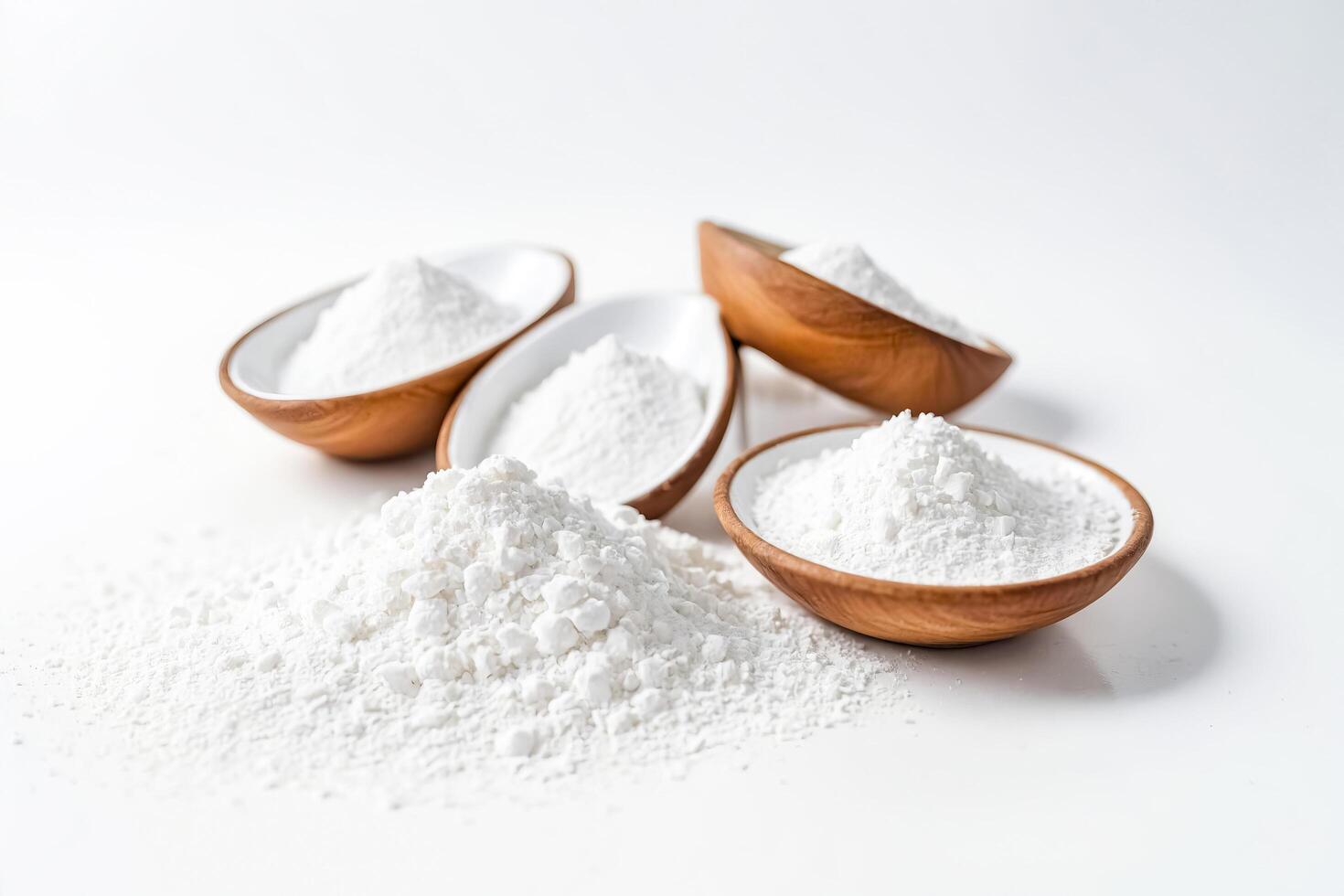
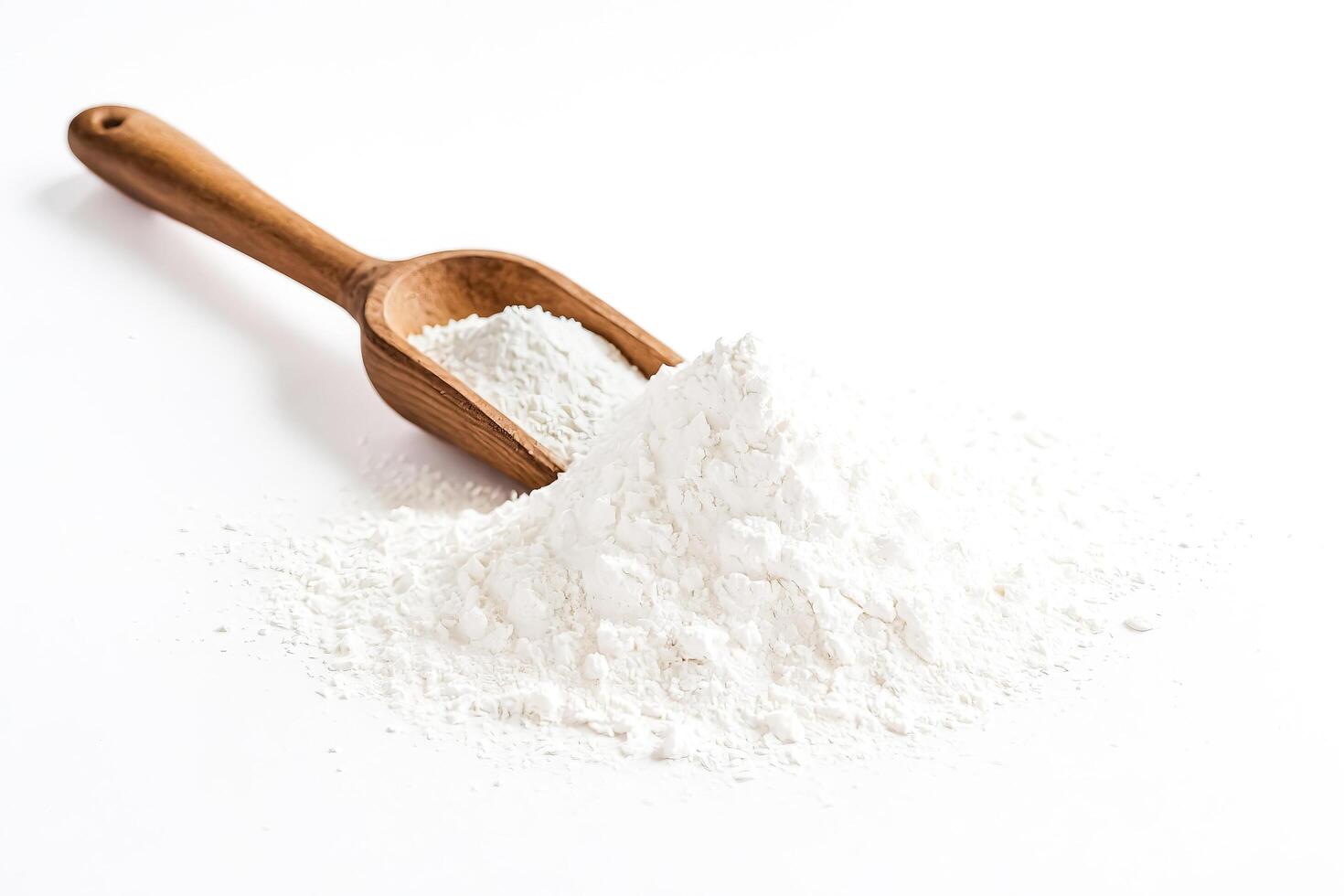
Is Tapioca Dextrin Gluten Free?

Is Tapioca Dextrin Gluten Free?

Yes, tapioca dextrin is gluten-free. It is derived from tapioca starch, which comes from the cassava root, and contains no wheat, barley, rye, or other gluten-containing grains.

TL;DR

Yes, tapioca dextrin is gluten-free. It is derived from tapioca starch, which comes from the cassava root, and contains no wheat, barley, rye, or other gluten-containing grains.

Quick Tips

1

Low glycemic index: It doesn’t cause rapid spikes in blood sugar levels, making it suitable for diabetics and those managing their blood sugar.

2

Prebiotic properties: It can promote the growth of beneficial gut bacteria, supporting digestive health.

3

Dietary fiber: It acts as a source of soluble fiber, which can aid in digestion and promote regular bowel movements.

# In This Article

3 sections

Quick navigation to each section of this article:

1 Benefits of Tapioca Dextrin

Low glycemic index: It doesn’t cause rapid spikes in blood sugar levels, making it suitable for diabetics and those managing their blood sugar.

Jump
2 Who should avoid Tapioca Dextrin

People with known allergies or sensitivities to tapioca or cassava root

Jump
3 Related Gluten Free Products

Here are five similar gluten-free options to Tapioca Dextrin, along with brief descriptions:

Jump

Benefits of Tapioca Dextrin

Benefits of Tapioca Dextrin
Low glycemic index: It doesn’t cause rapid spikes in blood sugar levels, making it suitable for diabetics and those managing their blood sugar.
Prebiotic properties: It can promote the growth of beneficial gut bacteria, supporting digestive health.
Dietary fiber: It acts as a source of soluble fiber, which can aid in digestion and promote regular bowel movements.
Weight management: Its fiber content can help increase feelings of fullness, potentially aiding in weight control.
Gluten-free: It’s naturally gluten-free, making it suitable for people with celiac disease or gluten sensitivities.
Hypoallergenic: It’s less likely to cause allergic reactions compared to other starches.
Improved mineral absorption: Some studies suggest it may enhance the absorption of minerals like calcium and magnesium.
Cholesterol management: As a soluble fiber, it may help lower cholesterol levels.
Potential anti-inflammatory effects: Some research indicates it may have mild anti-inflammatory properties.
Versatile nutrient carrier: It can be used to encapsulate and deliver other beneficial nutrients in food products.Remember that while these benefits exist, tapioca dextrin should be consumed as part of a balanced diet, and individual responses may vary.

Who should avoid Tapioca Dextrin

Who should avoid Tapioca Dextrin
People with known allergies or sensitivities to tapioca or cassava root
Individuals with a corn allergy (as some tapioca dextrin products may be cross-contaminated with corn)
Those with celiac disease or gluten sensitivity should verify the product is gluten-free, as some manufacturers may process it in facilities that also handle gluten-containing products
People on low-carbohydrate diets, as tapioca dextrin is a form of carbohydrate
Individuals with diabetes should monitor their intake, as it can affect blood sugar levels
Those with digestive issues or sensitive stomachs, as some people may experience bloating or gas
Infants and young children, unless specifically recommended by a pediatrician
People on specialized diets for specific medical conditions should consult their healthcare provider before consuming tapioca dextrin
Individuals trying to avoid processed foods, as tapioca dextrin is often used as an additiveRemember, while these groups should be cautious, it’s always best to consult with a healthcare professional or registered dietitian for personalized advice regarding dietary restrictions or concerns.
ENJOY YOUR FAVORITE FOODS FEARLESSLY!
Don’t let gluten hold you back. Take Anti-Gluten Pills before your meal and enjoy peace of mind.
SHOP ANTI-GLUTEN PILLS
Clinically proven · Up to 86% gluten reduction · Fast acting

Here are five similar gluten-free options to Tapioca Dextrin, along with brief descriptions:

Related Gluten Free Products
Corn Dextrin:A food additive derived from corn starch, used as a thickener, stabilizer, and texturizer in various food products. It's often used in dry mixes, sauces, and processed foods.
Rice Dextrin:Made from rice starch, this gluten-free option is commonly used in the food industry as a thickening agent, stabilizer, and bulking agent. It's particularly popular in Asian cuisine and gluten-free products.
Potato Dextrin:Derived from potato starch, this dextrin is used as a thickener and stabilizer in food products. It's known for its neutral flavor and is often used in soups, sauces, and baked goods.
Arrowroot Starch:A gluten-free thickening agent extracted from the roots of the arrowroot plant. It's prized for its neutral flavor and clear gel, making it ideal for gravies, sauces, and fruit pie fillings.
Maltodextrin (from corn, potato, or rice):A versatile food additive made from various starch sources. It's used as a thickener, filler, and preservative in many processed foods. While it can be made from wheat, gluten-free versions are widely available.

Health Information

? Frequently Asked Questions

4 questions
1 Is there gluten in tapioca dextrin?
Tapioca dextrin is generally considered gluten-free. It is derived from tapioca starch, which comes from the cassava root. Cassava is naturally gluten-free, so products made from it should not contain gluten. However, as with any processed food, it's always best to check the label or contact the manufacturer to confirm if you have severe gluten sensitivity or celiac disease.
2 What is tapioca dextrin?
Tapioca dextrin is a modified starch derived from cassava root. It is created through a process of partial hydrolysis of tapioca starch using heat, acids, or enzymes. Tapioca dextrin has a variety of applications in the food industry, including as a thickener, stabilizer, and binding agent. It is commonly used in products like instant puddings, sauces, and baked goods to improve texture and shelf life.
3 Can celiacs have dextrin?
Celiacs should generally avoid dextrin, as it is often derived from wheat. However, some forms of dextrin, such as corn dextrin or potato dextrin, may be safe for celiacs. It's important for individuals with celiac disease to carefully check ingredient labels and consult with their healthcare provider. When in doubt, it's best to err on the side of caution and avoid products containing dextrin unless it's specifically labeled as gluten-free.
4 Does tapioca maltodextrin have gluten?
Tapioca maltodextrin is generally considered gluten-free. It is derived from tapioca starch, which comes from the cassava root and does not contain gluten. However, it's always important to check product labels and manufacturing processes for potential cross-contamination. Those with celiac disease or severe gluten sensitivity should consult their doctor or a dietitian for personalized advice.
LIVE GLUTEN-FREE WITHOUT THE FUSS!
Introducing Tolerase® G, clinically proven to reduce up to 86% of gluten in under 10 minutes. Experience the freedom to eat what you love.
SHOP ANTI-GLUTEN PILLS
150mg pure Tolerase® G · Reduces gluten by 86% · Under 10 minutes

Our Expert

Drs. Ilse van Asperen, Orthomolecular Therapist and Nutritional Coach

Drs. Ilse van Asperen

Orthomolecular Therapist, Nutritional Coach & Professional Editor

Drs. Ilse van Asperen is a medical doctor specialising in orthomolecular therapy and nutritional coaching. With a background in public and clinical health research and management, she focuses on addressing the root causes of health issues through diet, gut health, and stress reduction. As a professional editor for Little Helpers, she reviews all gluten-free content to ensure accuracy, safety, and scientific credibility. Read more on Drs. Ilse van Asperen's own website

Our Sources

The information on this page is based on reputable health and nutrition organisations, ensuring accuracy and reliability for anyone following a gluten-free diet. For further details, see the sources below.
Sources

Similar Articles

Back to blog