Share
TL;DR
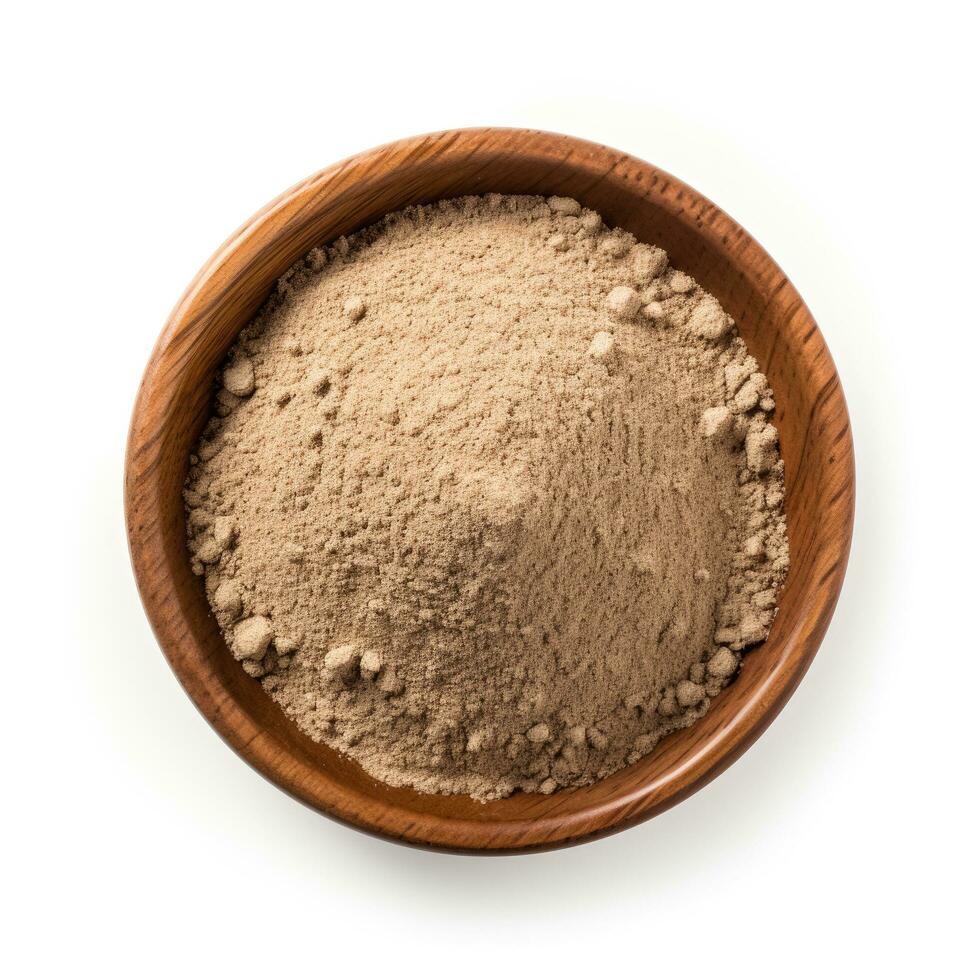
Yes, teff is naturally gluten-free. This ancient grain, native to Ethiopia and Eritrea, is safe for people with celiac disease or gluten sensitivity to consume.
Quick Tips
1High in protein: Teff contains all essential amino acids, making it a complete protein source.
2Gluten-free: Ideal for people with celiac disease or gluten sensitivity.
3Rich in fiber: Promotes digestive health and helps maintain a feeling of fullness.
# In This Article
3 sectionsQuick navigation to each section of this article:
1 Benefits of Teff
High in protein: Teff contains all essential amino acids, making it a complete protein source.
Jump2 Who should avoid Teff
People with celiac disease or gluten sensitivity should be cautious, as some teff products may be cross-contaminated with gluten-containing grains during processing.
Jump3 Related Gluten Free Products
Here are five gluten-free options similar to Teff, along with short descriptions:
JumpBenefits of Teff
| Benefits of Teff |
|---|
| High in protein: Teff contains all essential amino acids, making it a complete protein source. |
| Gluten-free: Ideal for people with celiac disease or gluten sensitivity. |
| Rich in fiber: Promotes digestive health and helps maintain a feeling of fullness. |
| Low glycemic index: Helps regulate blood sugar levels and may be beneficial for diabetes management. |
| High in iron: Important for preventing anemia and maintaining overall energy levels. |
| Good source of calcium: Supports bone health and may help prevent osteoporosis. |
| Contains resistant starch: Acts as a prebiotic, promoting gut health and potentially aiding in weight management. |
| Rich in B vitamins: Supports energy metabolism and nervous system function. |
| High in zinc: Important for immune function and wound healing. |
| Good source of magnesium: Supports muscle and nerve function, and helps regulate blood pressure. |
| Contains antioxidants: May help protect against oxidative stress and chronic diseases. |
| Naturally low in sodium: Beneficial for heart health and blood pressure control. |
| Provides manganese: Important for bone formation and wound healing. |
| Contains copper: Supports iron absorption and formation of red blood cells.Remember that while Teff offers these potential health benefits, it should be consumed as part of a balanced diet for optimal health. |
Who should avoid Teff
| Who should avoid Teff |
|---|
| People with celiac disease or gluten sensitivity should be cautious, as some teff products may be cross-contaminated with gluten-containing grains during processing. |
| Individuals with a known allergy to teff or other grains in the Eragrostis genus. |
| Those on a low-fiber diet or with certain digestive conditions may need to limit teff consumption due to its high fiber content. |
| People with diabetes should monitor their intake, as teff has a relatively high carbohydrate content. |
| Individuals on a low-calorie diet should be mindful of portion sizes, as teff is calorie-dense. |
| Those with iron overload conditions (e.g., hemochromatosis) should be cautious due to teff’s high iron content. |
| People with oxalate sensitivity or a history of kidney stones may need to limit teff, as it contains oxalates. |
| Individuals following a paleo or grain-free diet typically avoid teff and other grains. |
| Those with specific dietary restrictions or health conditions should consult a healthcare professional before adding teff to their diet. |
Related Gluten Free Products
Here are five gluten-free options similar to Teff, along with short descriptions:
| Related Gluten Free Products |
|---|
| Quinoa: A nutrient-dense, protein-rich seed native to South America. It has a slightly nutty flavor and a fluffy texture when cooked. Quinoa is versatile and can be used in various dishes, from salads to main courses. |
| Amaranth: An ancient grain with a slightly peppery taste and a sticky texture when cooked. It's high in protein and minerals, making it a nutritious gluten-free alternative. Amaranth can be used in porridge, baked goods, or as a thickener for soups and stews. |
| Buckwheat: Despite its name, buckwheat is not related to wheat and is naturally gluten-free. It has a strong, earthy flavor and can be used to make pancakes, noodles (soba), and porridge. Buckwheat is rich in antioxidants and provides a good source of fiber. |
| Sorghum: A cereal grain with a mild, sweet flavor. It can be used as a substitute for wheat in many recipes, including baked goods and pilafs. Sorghum is high in antioxidants and provides a good source of fiber and various minerals. |
| Millet: A small, round grain with a slightly sweet, nutty flavor. It cooks quickly and can be used in place of rice or couscous in many dishes. Millet is rich in nutrients, including magnesium, phosphorus, and antioxidants, making it a healthy gluten-free option. |
Health Information
? Frequently Asked Questions
4 questions1 Is teff safe for celiacs?
2 Is teff flour inflammatory?
3 Does Ethiopian injera have gluten?
4 Is teff healthier than wheat?
Our Expert
Drs. Ilse van Asperen
Orthomolecular Therapist, Nutritional Coach & Professional Editor
Drs. Ilse van Asperen is a medical doctor specialising in orthomolecular therapy and nutritional coaching. With a background in public and clinical health research and management, she focuses on addressing the root causes of health issues through diet, gut health, and stress reduction. As a professional editor for Little Helpers, she reviews all gluten-free content to ensure accuracy, safety, and scientific credibility. Read more on Drs. Ilse van Asperen's own website
Our Sources
The information on this page is based on reputable health and nutrition organisations, ensuring accuracy and reliability for anyone following a gluten-free diet. For further details, see the sources below.