Share
TL;DR
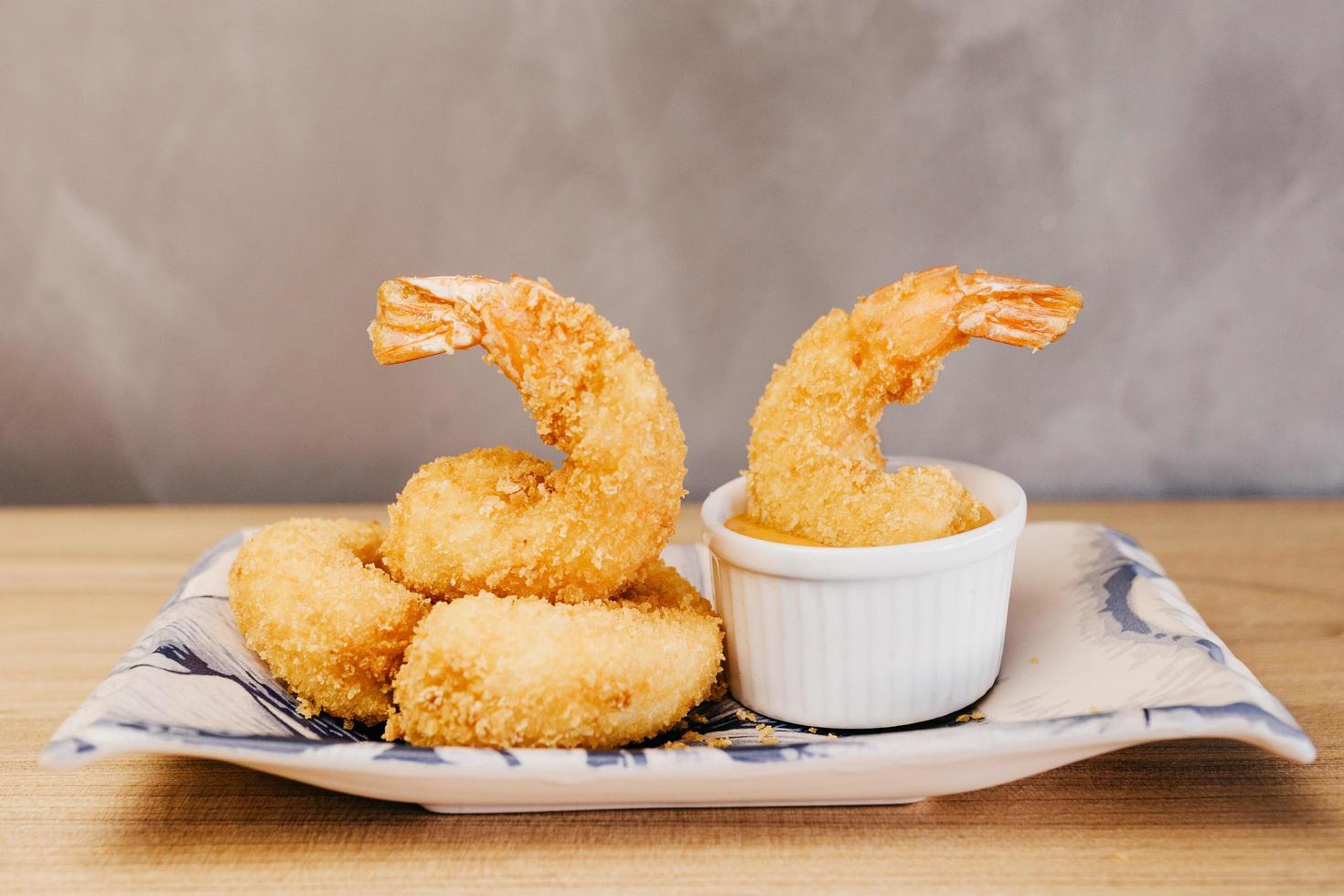
Traditional tempura is not gluten-free as the batter typically contains wheat flour. However, some sushi restaurants may offer gluten-free tempura options made with alternative flours like rice flour or cornstarch, so it’s always best to ask about ingredients if you have gluten sensitivity or celiac disease.
Quick Tips
1Protein from fish: Many types of tempura sushi contain fish, which is a good source of lean protein.
2Omega-3 fatty acids: If the tempura sushi contains fatty fish like salmon, it can provide heart-healthy omega-3 fatty acids.
3Vitamins and minerals from vegetables: Some tempura sushi rolls include vegetables, which can provide various vitamins and minerals.
# In This Article
3 sectionsQuick navigation to each section of this article:
1 Benefits of Tempura Sushi
Protein from fish: Many types of tempura sushi contain fish, which is a good source of lean protein.
Jump2 Who should avoid Tempura Sushi
Individuals with celiac disease or gluten sensitivity (due to the wheat flour used in tempura batter)
Jump3 Gluten Free Alternatives
Here are five gluten-free alternatives to Tempura Sushi, along with short descriptions for each:
JumpBenefits of Tempura Sushi
| Benefits of Tempura Sushi |
|---|
| Protein from fish: Many types of tempura sushi contain fish, which is a good source of lean protein. |
| Omega-3 fatty acids: If the tempura sushi contains fatty fish like salmon, it can provide heart-healthy omega-3 fatty acids. |
| Vitamins and minerals from vegetables: Some tempura sushi rolls include vegetables, which can provide various vitamins and minerals. |
| Iodine from seaweed: If nori (seaweed) is used in the roll, it can be a good source of iodine, which is important for thyroid function. |
| Carbohydrates for energy: The rice in sushi provides carbohydrates for energy. |
| Potential probiotic benefits: The fermented rice vinegar used in sushi rice may have some probiotic benefits. |
| Antioxidants from wasabi: If real wasabi is used (which is rare), it contains antioxidants. |
| Low in calories (compared to other fried foods): While not low-calorie, tempura sushi may be lower in calories than other deep-fried dishes.Remember, these benefits are often outweighed by the high calorie and fat content from the deep-frying process. Tempura sushi should be consumed in moderation as part of a balanced diet. |
Who should avoid Tempura Sushi
| Who should avoid Tempura Sushi |
|---|
| Individuals with celiac disease or gluten sensitivity (due to the wheat flour used in tempura batter) |
| People with seafood allergies (if the tempura contains seafood) |
| Those with soy allergies (due to soy sauce often used in sushi) |
| Pregnant women (due to potential risks associated with raw fish, if the sushi contains raw components) |
| Individuals with compromised immune systems (due to potential risks from raw fish, if present) |
| People with high blood pressure (due to the high sodium content in soy sauce) |
| Those on a low-fat diet (as tempura is deep-fried) |
| Individuals with diabetes (due to the high carbohydrate content in rice and tempura batter) |
| People with egg allergies (as some tempura batters may contain egg) |
| Those following a vegan or vegetarian diet (unless the tempura sushi is specifically prepared to be plant-based) |
| Individuals with shellfish allergies (if the tempura contains shellfish or if there’s a risk of cross-contamination)Remember, it’s always best to consult with a healthcare professional for personalized dietary advice. |
Gluten Free Alternatives
Here are five gluten-free alternatives to Tempura Sushi, along with short descriptions for each:
| Gluten Free Alternatives |
|---|
| Rice Paper Rolls: Light, translucent rice paper wrappers filled with fresh vegetables, herbs, and proteins. These rolls offer a similar handheld experience to sushi without the use of tempura batter. |
| Sashimi: Thinly sliced, raw fish served without rice or batter. This pure form of seafood presentation is naturally gluten-free and highlights the quality and flavor of the fish. |
| Nori Wraps: Sheets of dried seaweed used to wrap around rice and fillings, creating a gluten-free version of traditional maki rolls. These can be filled with various ingredients to mimic the flavors of tempura sushi. |
| Cucumber Rolls: Sushi fillings wrapped in thin slices of cucumber instead of rice and nori. This low-carb, gluten-free option provides a refreshing crunch and is often referred to as "naruto" rolls. |
| Lettuce Wraps: Large lettuce leaves used as a wrapper for sushi fillings. This gluten-free alternative offers a crisp texture and fresh flavor, while being lower in calories than traditional sushi rolls. |
Health Information
? Frequently Asked Questions
4 questions1 Does tempura sushi have gluten?
2 Why is tempura not gluten-free?
3 What makes sushi not gluten-free?
4 Is tempura in Japan gluten-free?
Our Expert
Drs. Ilse van Asperen
Orthomolecular Therapist, Nutritional Coach & Professional Editor
Drs. Ilse van Asperen is a medical doctor specialising in orthomolecular therapy and nutritional coaching. With a background in public and clinical health research and management, she focuses on addressing the root causes of health issues through diet, gut health, and stress reduction. As a professional editor for Little Helpers, she reviews all gluten-free content to ensure accuracy, safety, and scientific credibility. Read more on Drs. Ilse van Asperen's own website
Our Sources
The information on this page is based on reputable health and nutrition organisations, ensuring accuracy and reliability for anyone following a gluten-free diet. For further details, see the sources below.