Share
TL;DR
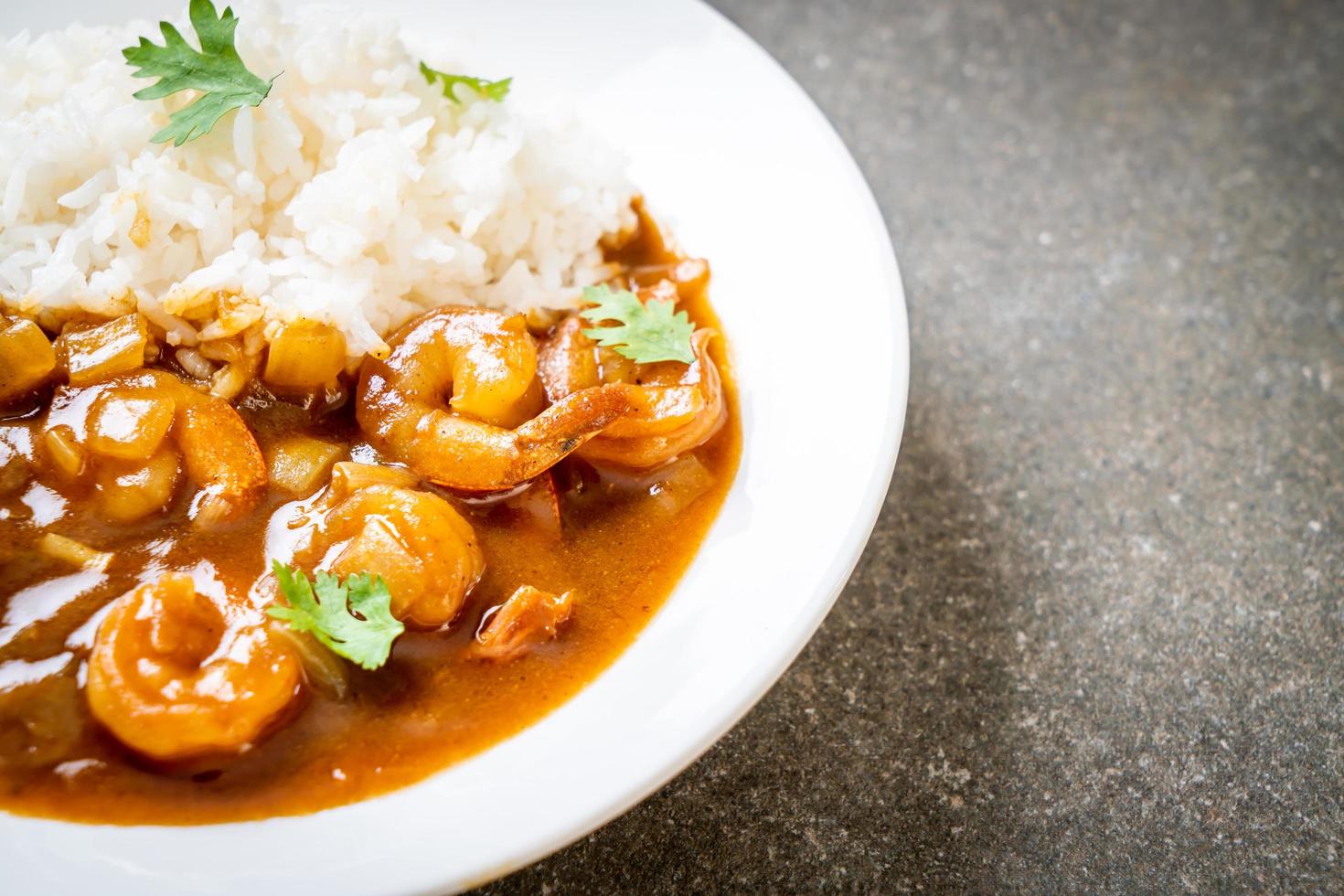
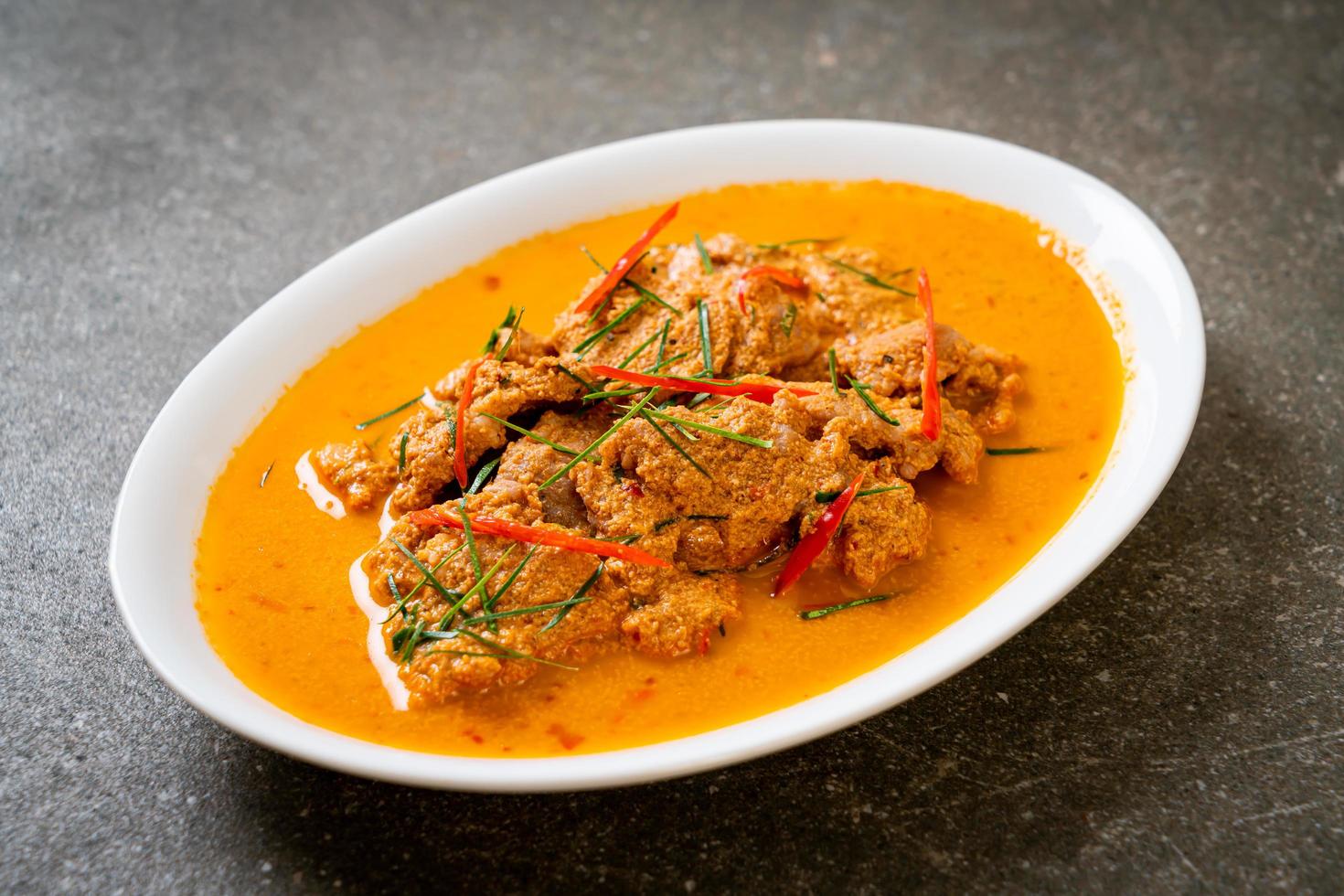
Traditional Thai curry is typically gluten-free as it’s made with ingredients like coconut milk, curry paste, vegetables, and meat or tofu, which don’t contain gluten. However, it’s important to be cautious when eating out or using pre-made curry pastes, as some restaurants or manufacturers may add ingredients containing gluten or use equipment that has come into contact with gluten-containing foods.
Quick Tips
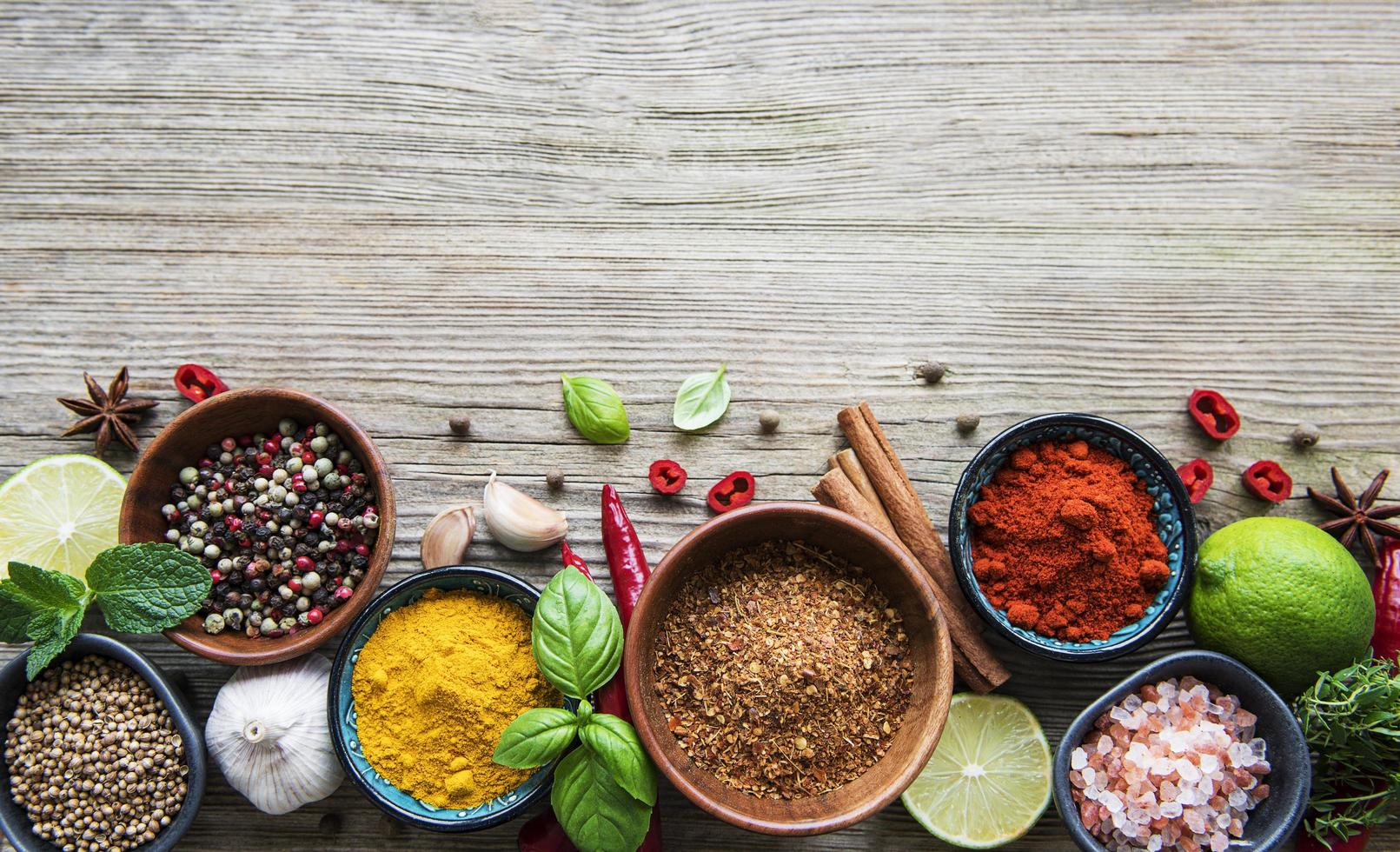
1Rich in antioxidants: Many ingredients like turmeric, ginger, and chili peppers are high in antioxidants, which help fight free radicals and reduce inflammation.
2Boosts immune system: Ingredients like garlic, lemongrass, and ginger have immune-boosting properties.
3Improves digestion: Spices like cumin and coriander can aid in digestion and reduce bloating.
# In This Article
3 sectionsQuick navigation to each section of this article:
1 Benefits of Thai Curry
Rich in antioxidants: Many ingredients like turmeric, ginger, and chili peppers are high in antioxidants, which help fight free radicals and reduce inflammation.
Jump2 Who should avoid Thai Curry
People with severe allergies to common Thai curry ingredients (e. g.
Jump3 Related Gluten Free Products
Here are five gluten-free options similar to Thai Curry, along with short descriptions:
JumpBenefits of Thai Curry
| Benefits of Thai Curry |
|---|
| Rich in antioxidants: Many ingredients like turmeric, ginger, and chili peppers are high in antioxidants, which help fight free radicals and reduce inflammation. |
| Boosts immune system: Ingredients like garlic, lemongrass, and ginger have immune-boosting properties. |
| Improves digestion: Spices like cumin and coriander can aid in digestion and reduce bloating. |
| Anti-inflammatory properties: Turmeric, a common ingredient, contains curcumin, which has powerful anti-inflammatory effects. |
| Heart health: Coconut milk, often used in Thai curries, contains healthy fats that may improve cholesterol levels and heart health. |
| Metabolism boost: Chili peppers can increase metabolism and potentially aid in weight management. |
| Nutrient-dense: Thai curries often include a variety of vegetables, providing essential vitamins and minerals. |
| May have anticancer properties: Some ingredients like turmeric and ginger have shown potential in cancer prevention studies. |
| Bone health: When made with calcium-rich ingredients like tofu or fish with bones, it can contribute to bone health. |
| Mood enhancement: Spices like cumin and coriander may have mood-boosting properties. |
| Antibacterial properties: Many of the herbs and spices used have natural antibacterial qualities. |
| Remember that the health benefits can vary depending on the specific ingredients and preparation method of the Thai curry. |
Who should avoid Thai Curry
| Who should avoid Thai Curry |
|---|
| People with severe allergies to common Thai curry ingredients (e.g., peanuts, shellfish, coconut) |
| Individuals with a low spice tolerance or sensitivity to hot foods |
| Those with gastroesophageal reflux disease (GERD) or acid reflux |
| People with irritable bowel syndrome (IBS) or other digestive sensitivities |
| Individuals on a low-sodium diet (as some curry pastes are high in sodium) |
| Those with a history of gallbladder issues or gallstones |
| People taking certain medications that may interact with spicy foods |
| Pregnant women (in some cases, very spicy food might cause discomfort) |
| Young children, who may find the spices too intense |
| Those with ulcers or other gastrointestinal conditions that might be aggravated by spicy foods |
| Individuals with a coconut allergy (as coconut milk is a common ingredient in Thai curries) |
| People following a low-fat diet (as coconut milk is high in saturated fat)Remember, the suitability of Thai curry can vary depending on the specific recipe and an individual’s personal health conditions. It’s always best to consult with a healthcare professional if you have concerns about your diet. |
Related Gluten Free Products
Here are five gluten-free options similar to Thai Curry, along with short descriptions:
| Related Gluten Free Products |
|---|
| Indian Dal: A hearty lentil-based dish seasoned with aromatic spices like turmeric, cumin, and garam masala. It's often served with rice and provides a rich source of protein and fiber. |
| Vietnamese Pho: A fragrant rice noodle soup typically made with beef or chicken broth, flavored with herbs and spices like cinnamon, star anise, and cilantro. It's customizable with various toppings and naturally gluten-free. |
| Japanese Miso Soup: A light, comforting soup made from fermented soybean paste (miso) and dashi broth. It often includes tofu, seaweed, and green onions, offering a umami-rich flavor profile. |
| Mexican Pozole: A traditional soup made with hominy (dried corn kernels) and meat, usually pork. It's seasoned with chili peppers and garnished with fresh toppings like radishes, lettuce, and lime juice. |
| Moroccan Tagine: A slow-cooked stew named after the conical pot it's prepared in. It typically features meat or vegetables cooked with fragrant spices like saffron, cinnamon, and cumin, often served over gluten-free couscous made from corn or rice. |
Health Information
? Frequently Asked Questions
4 questions1 Is Thai curry always gluten-free?
2 Does curry have gluten in it?
3 Is pad thai usually gluten-free?
4 Does Thai sauce have gluten?
Our Expert
Drs. Ilse van Asperen
Orthomolecular Therapist, Nutritional Coach & Professional Editor
Drs. Ilse van Asperen is a medical doctor specialising in orthomolecular therapy and nutritional coaching. With a background in public and clinical health research and management, she focuses on addressing the root causes of health issues through diet, gut health, and stress reduction. As a professional editor for Little Helpers, she reviews all gluten-free content to ensure accuracy, safety, and scientific credibility. Read more on Drs. Ilse van Asperen's own website
Our Sources
The information on this page is based on reputable health and nutrition organisations, ensuring accuracy and reliability for anyone following a gluten-free diet. For further details, see the sources below.