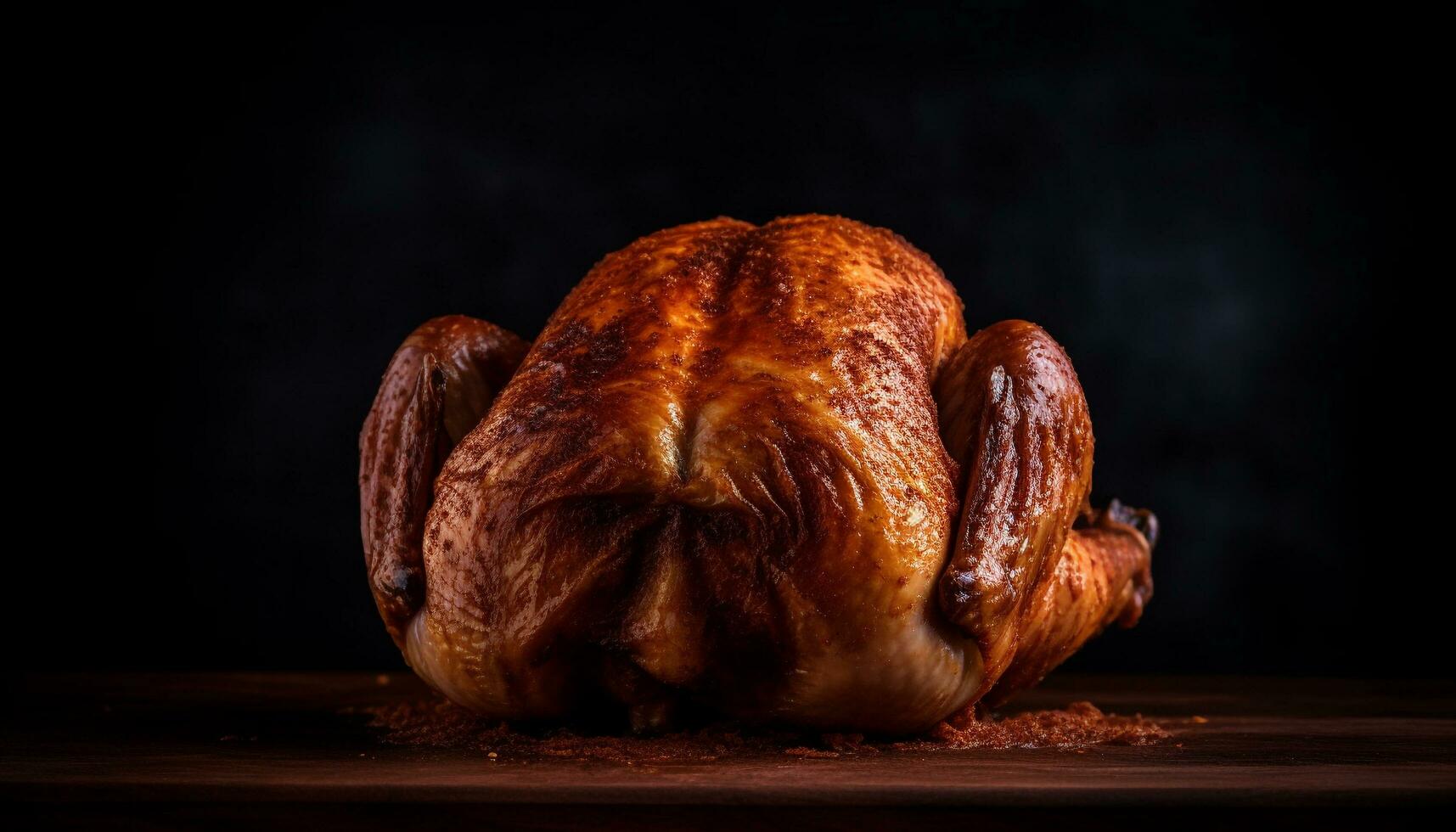
Is Turkey Gluten Free?

Is Turkey Gluten Free?

Generally, plain turkey meat itself is naturally gluten-free. However, some processed turkey products or prepared turkey dishes may contain gluten due to added ingredients or seasonings, so it’s important to check labels or inquire about preparation methods if you have gluten sensitivity or celiac disease.

TL;DR

Generally, plain turkey meat itself is naturally gluten-free. However, some processed turkey products or prepared turkey dishes may contain gluten due to added ingredients or seasonings, so it’s important to check labels or inquire about preparation methods if you have gluten sensitivity or celiac disease.

Quick Tips

1

High in protein: Turkey is an excellent source of lean protein, which is essential for muscle growth and repair.

2

Low in fat: Especially when eaten without the skin, turkey is a low-fat meat option.

3

Rich in vitamins and minerals: Turkey contains B vitamins (B3, B6, and B12), selenium, zinc, and phosphorus.

# In This Article

3 sections

Quick navigation to each section of this article:

1 Benefits of Turkey

High in protein: Turkey is an excellent source of lean protein, which is essential for muscle growth and repair.

Jump
2 Who should avoid Turkey

People with poultry allergies: Those allergic to chicken may also be allergic to turkey.

Jump
3 Related Gluten Free Products

Here are five gluten-free options similar to turkey, along with short descriptions:

Jump

Benefits of Turkey

Benefits of Turkey
High in protein: Turkey is an excellent source of lean protein, which is essential for muscle growth and repair.
Low in fat: Especially when eaten without the skin, turkey is a low-fat meat option.
Rich in vitamins and minerals: Turkey contains B vitamins (B3, B6, and B12), selenium, zinc, and phosphorus.
Good source of tryptophan: This amino acid may help promote better sleep and mood regulation.
Supports immune function: The selenium in turkey helps maintain a healthy immune system.
May aid in weight management: As a lean protein, turkey can help you feel full and satisfied, potentially reducing overall calorie intake.
Heart-healthy: The low fat content and presence of nutrients like niacin can contribute to cardiovascular health.
Contains anti-cancer properties: Selenium in turkey has been linked to reduced risk of certain cancers.
Provides energy: The B vitamins in turkey help convert food into energy for the body.
Supports bone health: Turkey contains phosphorus, which is important for strong bones and teeth.
May improve insulin sensitivity: The protein in turkey can help regulate blood sugar levels.Remember that the health benefits can vary depending on the cut of turkey and how it’s prepared.

Who should avoid Turkey

Who should avoid Turkey
People with poultry allergies: Those allergic to chicken may also be allergic to turkey.
Individuals on a low-purine diet: Turkey contains purines, which can exacerbate gout symptoms.
Those with a history of severe food poisoning from poultry: They may need to be cautious with turkey consumption.
People following certain religious dietary restrictions: Some religions prohibit the consumption of certain meats, including turkey.
Vegetarians and vegans: These individuals choose not to consume animal products, including turkey.
Those with compromised immune systems: They should ensure turkey is thoroughly cooked to avoid foodborne illnesses.
Individuals on certain medications: Some medications may interact with compounds found in turkey (e.g., MAO inhibitors and tyramine).
People with specific digestive issues: Some may find turkey difficult to digest.
Those watching their sodium intake: Processed turkey products can be high in sodium.
Individuals with tryptophan sensitivity: Turkey is high in tryptophan, which might affect some people.Remember, it’s always best to consult with a healthcare professional for personalized dietary advice.
ENJOY YOUR FAVORITE FOODS FEARLESSLY!
Don’t let gluten hold you back. Take Anti-Gluten Pills before your meal and enjoy peace of mind.
SHOP ANTI-GLUTEN PILLS
Clinically proven · Up to 86% gluten reduction · Fast acting

Here are five gluten-free options similar to turkey, along with short descriptions:

Related Gluten Free Products
Chicken: A versatile poultry option that's naturally gluten-free, available in various cuts and preparations. It's a lean protein source that can be cooked in many ways, from grilling to roasting.
Duck: A richer, more flavorful poultry option that's naturally gluten-free. Duck meat is often used in gourmet dishes and provides a higher fat content compared to turkey or chicken.
Cornish Game Hen: A small, single-serving bird that's naturally gluten-free. It offers a delicate flavor and tender meat, making it ideal for special occasions or intimate dinners.
Quail: A small game bird that's naturally gluten-free and known for its delicate, slightly gamey flavor. Quail is often used in gourmet cuisine and can be grilled, roasted, or pan-seared.
Pheasant: A lean, gluten-free game bird with a subtle, earthy flavor. Pheasant meat is slightly drier than chicken or turkey, making it ideal for slow-cooking methods or pairing with rich sauces.

Health Information

? Frequently Asked Questions

4 questions
1 Why is turkey not gluten-free?
Turkey itself is naturally gluten-free. However, some processed turkey products may contain gluten as an additive or binding agent. Additionally, turkey that has been seasoned or marinated could potentially have gluten-containing ingredients. It's important to check labels or ask about preparation methods if you have celiac disease or gluten sensitivity.
2 Is there gluten in Butterball turkey?
Butterball turkey itself does not contain gluten. The meat is naturally gluten-free. However, some Butterball turkey products may contain gluten if they have added seasonings or flavorings. It's always best to check the specific product label for allergen information.
3 Is Thanksgiving turkey gluten-free?
Traditional Thanksgiving turkey is naturally gluten-free. However, some prepared turkeys may contain gluten in the seasonings or broth used during cooking. It's important to check the ingredients of any pre-seasoned or brined turkeys. If you're preparing the turkey yourself, you can easily ensure it remains gluten-free by using gluten-free seasonings and avoiding any gluten-containing additives.
4 Does ground turkey have gluten?
Ground turkey by itself does not contain gluten. Gluten is a protein found in wheat, barley, and rye, which are not ingredients in plain ground turkey meat. However, some pre-seasoned or processed ground turkey products may contain gluten-containing additives. It's always best to check the ingredient label if you have gluten sensitivities or celiac disease.
LIVE GLUTEN-FREE WITHOUT THE FUSS!
Introducing Tolerase® G, clinically proven to reduce up to 86% of gluten in under 10 minutes. Experience the freedom to eat what you love.
SHOP ANTI-GLUTEN PILLS
150mg pure Tolerase® G · Reduces gluten by 86% · Under 10 minutes

Our Expert

Drs. Ilse van Asperen, Orthomolecular Therapist and Nutritional Coach

Drs. Ilse van Asperen

Orthomolecular Therapist, Nutritional Coach & Professional Editor

Drs. Ilse van Asperen is a medical doctor specialising in orthomolecular therapy and nutritional coaching. With a background in public and clinical health research and management, she focuses on addressing the root causes of health issues through diet, gut health, and stress reduction. As a professional editor for Little Helpers, she reviews all gluten-free content to ensure accuracy, safety, and scientific credibility. Read more on Drs. Ilse van Asperen's own website

Our Sources

The information on this page is based on reputable health and nutrition organisations, ensuring accuracy and reliability for anyone following a gluten-free diet. For further details, see the sources below.

Sources

Similar Articles

Back to blog