Share
TL;DR
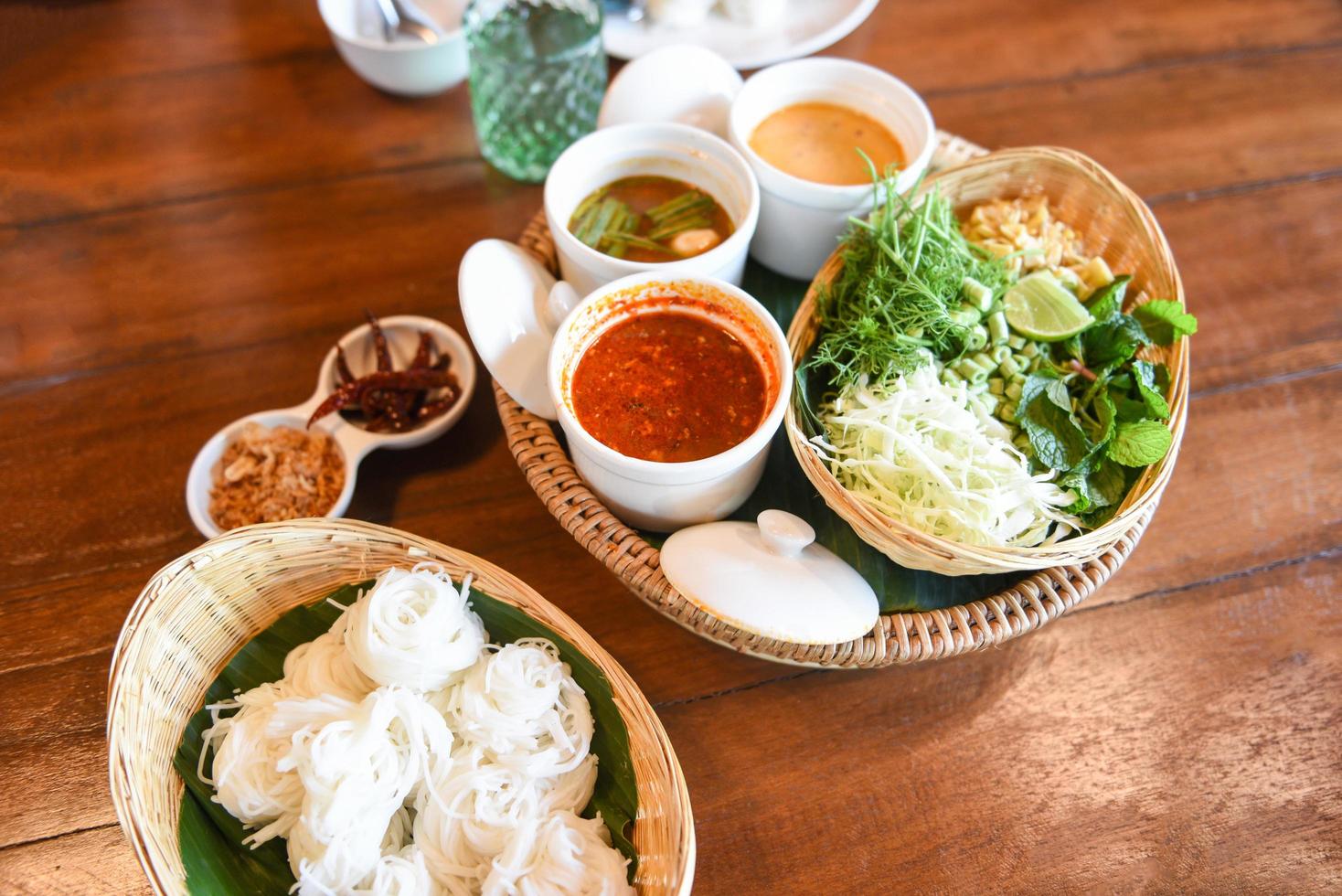
Vermicelli can be either gluten-free or contain gluten, depending on what it’s made from. Traditional Italian vermicelli is made from wheat and contains gluten, while rice vermicelli and other varieties made from gluten-free grains or starches are gluten-free.
Quick Tips
1Low in calories: Vermicelli is a low-calorie food, making it suitable for weight management diets.
2Good source of carbohydrates: It provides energy for daily activities and bodily functions.
3Low in fat: Vermicelli contains very little fat, which can be beneficial for heart health.
# In This Article
3 sectionsQuick navigation to each section of this article:
1 Benefits of Vermicelli
Low in calories: Vermicelli is a low-calorie food, making it suitable for weight management diets.
Jump2 Who should avoid Vermicelli
People with celiac disease or gluten sensitivity (if the vermicelli is made from wheat)
Jump3 Related Gluten Free Products
Here are five gluten-free options similar to Vermicelli, along with short descriptions:
JumpBenefits of Vermicelli
| Benefits of Vermicelli |
|---|
| Low in calories: Vermicelli is a low-calorie food, making it suitable for weight management diets. |
| Good source of carbohydrates: It provides energy for daily activities and bodily functions. |
| Low in fat: Vermicelli contains very little fat, which can be beneficial for heart health. |
| Gluten-free option: Rice vermicelli is gluten-free, making it suitable for people with celiac disease or gluten sensitivity. |
| Source of minerals: It contains small amounts of essential minerals like iron, selenium, and phosphorus. |
| Easy to digest: Vermicelli is generally easy on the digestive system. |
| Versatile for balanced meals: It can be paired with vegetables and proteins for a nutritionally balanced dish. |
| Low glycemic index: Some types of vermicelli have a lower glycemic index, which can help in managing blood sugar levels. |
| Cholesterol-free: Vermicelli does not contain cholesterol, supporting heart health. |
| Provides some fiber: While not high in fiber, it does contribute some to your daily intake, aiding digestion.Remember that the nutritional profile can vary depending on the type of vermicelli (rice, mung bean, wheat) and how it’s prepared. |
Who should avoid Vermicelli
| Who should avoid Vermicelli |
|---|
| People with celiac disease or gluten sensitivity (if the vermicelli is made from wheat) |
| Individuals with diabetes or on a low-carb diet (due to its high carbohydrate content) |
| Those on a low-calorie diet (as vermicelli is calorie-dense) |
| People with certain digestive disorders like irritable bowel syndrome (IBS), who may find it difficult to digest |
| Individuals with wheat allergy (if the vermicelli is wheat-based) |
| Those following a grain-free or paleo diet |
| People with rice allergy (if the vermicelli is rice-based) |
| Individuals on a low-sodium diet (if consuming instant vermicelli noodles with high sodium content) |
| Those with specific cultural or religious dietary restrictions that prohibit certain ingredients used in vermicelli productionIt’s important to note that many of these concerns can be addressed by choosing alternative types of vermicelli (e.g., rice-based for those avoiding gluten) or by moderating consumption. Always consult with a healthcare professional or nutritionist if you have specific dietary concerns. |
Related Gluten Free Products
Here are five gluten-free options similar to Vermicelli, along with short descriptions:
| Related Gluten Free Products |
|---|
| Rice Noodles: Thin, translucent noodles made from rice flour and water. They have a mild flavor and soft texture, making them versatile for various Asian dishes. |
| Mung Bean Noodles (Glass Noodles): Made from mung bean starch, these clear noodles become translucent when cooked. They have a slightly chewy texture and are commonly used in stir-fries and soups. |
| Soba Noodles (100% Buckwheat): Traditional Japanese noodles made entirely from buckwheat flour. They have a nutty flavor and firm texture, perfect for both hot and cold dishes. |
| Shirataki Noodles: Low-calorie, translucent noodles made from the konjac yam. They have a slightly chewy texture and are often used in Asian-inspired dishes or as a pasta substitute. |
| Quinoa Pasta: Made from quinoa flour, these noodles offer a protein-rich alternative to wheat pasta. They have a slightly nutty flavor and maintain a good texture when cooked properly. |
Health Information
? Frequently Asked Questions
4 questions1 Do vermicelli noodles contain gluten?
2 Are Vietnamese vermicelli noodles gluten-free?
3 Is vermicelli rice or wheat?
4 What Vietnamese dishes are gluten-free?
Our Expert
Drs. Ilse van Asperen
Orthomolecular Therapist, Nutritional Coach & Professional Editor
Drs. Ilse van Asperen is a medical doctor specialising in orthomolecular therapy and nutritional coaching. With a background in public and clinical health research and management, she focuses on addressing the root causes of health issues through diet, gut health, and stress reduction. As a professional editor for Little Helpers, she reviews all gluten-free content to ensure accuracy, safety, and scientific credibility. Read more on Drs. Ilse van Asperen's own website
Our Sources
The information on this page is based on reputable health and nutrition organisations, ensuring accuracy and reliability for anyone following a gluten-free diet. For further details, see the sources below.