Share
TL;DR
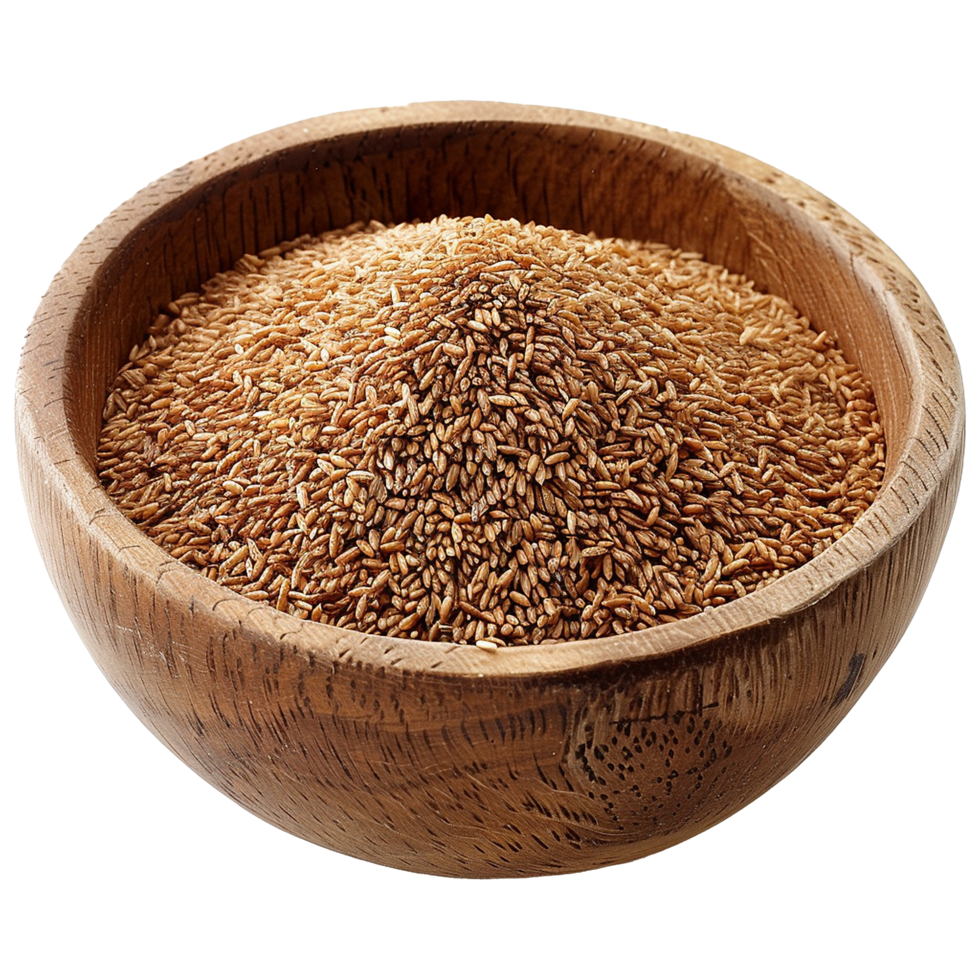
Whole grain oats are naturally gluten-free. However, due to potential cross-contamination during processing, not all oat products are guaranteed to be gluten-free unless specifically labeled as such.
Quick Tips
1Rich in fiber, particularly beta-glucan, which helps lower cholesterol levels
2May reduce the risk of heart disease and stroke
3Helps control blood sugar levels, beneficial for diabetes management
# In This Article
3 sectionsQuick navigation to each section of this article:
1 Benefits of Whole Grain Oat
Rich in fiber, particularly beta-glucan, which helps lower cholesterol levels
Jump2 Who should avoid Whole Grain Oat
People with celiac disease: Although oats are naturally gluten-free, they can be contaminated with gluten during processing. Only certified gluten-free oats are safe for those with celiac disease.
Jump3 Gluten Free Alternatives
Here are five gluten-free alternatives to whole grain oats, along with short descriptions for each:
JumpBenefits of Whole Grain Oat
| Benefits of Whole Grain Oat |
|---|
| Rich in fiber, particularly beta-glucan, which helps lower cholesterol levels |
| May reduce the risk of heart disease and stroke |
| Helps control blood sugar levels, beneficial for diabetes management |
| Promotes feelings of fullness, which can aid in weight management |
| Contains antioxidants, including avenanthramides, which have anti-inflammatory properties |
| Good source of important vitamins and minerals, including B vitamins, iron, and magnesium |
| May reduce the risk of certain types of cancer, particularly colorectal cancer |
| Supports digestive health and promotes regular bowel movements |
| Can help lower blood pressure |
| May improve insulin sensitivity |
| Contains protein, which supports muscle growth and repair |
| Gluten-free (when certified), making it suitable for people with celiac disease or gluten sensitivity |
| May help reduce childhood asthma risk when introduced early in life |
| Supports skin health due to its zinc and antioxidant content |
| May help reduce the risk of childhood obesity when consumed regularlyRemember that these benefits are most pronounced when consuming whole grain oats as part of a balanced, healthy diet. |
Who should avoid Whole Grain Oat
| Who should avoid Whole Grain Oat |
|---|
| People with celiac disease: Although oats are naturally gluten-free, they can be contaminated with gluten during processing. Only certified gluten-free oats are safe for those with celiac disease. |
| Individuals with non-celiac gluten sensitivity: Some people may experience adverse reactions to oats even without celiac disease. |
| Those with oat allergies: A small percentage of people may be allergic to oats and should avoid them entirely. |
| People following a low FODMAP diet: Oats contain FODMAPs, which can trigger digestive issues in some individuals with IBS or other gut sensitivities. |
| Individuals on a very low-carb or ketogenic diet: Oats are relatively high in carbohydrates and may not fit into these dietary plans. |
| Those with avenin sensitivity: Some people may react to avenin, a protein found in oats, similar to how people with celiac disease react to gluten. |
| People with digestive disorders: Some individuals with conditions like Crohn’s disease or ulcerative colitis may need to limit or avoid oats, especially during flare-ups. |
| Those on certain medications: In some cases, oats may interfere with the absorption of certain medications, so it’s best to consult with a healthcare provider. |
| Individuals with swallowing difficulties: Whole oats may pose a choking hazard for people with dysphagia or other swallowing issues.Remember, it’s always best to consult with a healthcare professional or registered dietitian before making significant changes to your diet, especially if you have underlying health conditions. |
Gluten Free Alternatives
Here are five gluten-free alternatives to whole grain oats, along with short descriptions for each:
| Gluten Free Alternatives |
|---|
| Quinoa- A nutrient-dense seed that cooks like a grain- High in protein and fiber- Offers a slightly nutty flavor and fluffy texture- Can be used in both savory and sweet dishes |
| Buckwheat- Despite its name, it's not related to wheat and is gluten-free- Rich in minerals and antioxidants- Has a strong, earthy flavor- Can be used in porridge, baked goods, or as a rice substitute |
| Amaranth- Tiny, protein-rich seeds with a slightly peppery taste- High in iron, magnesium, and calcium- Can be popped like popcorn or cooked into a porridge- Works well in both sweet and savory recipes |
| Millet- Small, round seeds with a mild, slightly sweet flavor- Rich in B vitamins and minerals- Can be cooked like rice or made into a creamy porridge- Versatile for use in various dishes, including as a binding agent in veggie burgers |
| Teff- Tiny seeds native to Ethiopia with a mild, nutty flavor- High in protein, fiber, and iron- Can be cooked into a porridge or used as a flour in baking- Often used to make injera, a traditional Ethiopian flatbreadThese alternatives offer various nutritional benefits and can be used in many of the same ways as whole grain oats, providing options for those following a gluten-free diet. |
Health Information
? Frequently Asked Questions
4 questions1 What oats are not gluten-free?
2 Is whole grain gluten-free?
3 Are Quaker wholegrain rolled oats gluten-free?
4 What grains are not gluten-free?
Our Expert
Drs. Ilse van Asperen
Orthomolecular Therapist, Nutritional Coach & Professional Editor
Drs. Ilse van Asperen is a medical doctor specialising in orthomolecular therapy and nutritional coaching. With a background in public and clinical health research and management, she focuses on addressing the root causes of health issues through diet, gut health, and stress reduction. As a professional editor for Little Helpers, she reviews all gluten-free content to ensure accuracy, safety, and scientific credibility. Read more on Drs. Ilse van Asperen's own website
Our Sources
The information on this page is based on reputable health and nutrition organisations, ensuring accuracy and reliability for anyone following a gluten-free diet. For further details, see the sources below.