Share
TL;DR
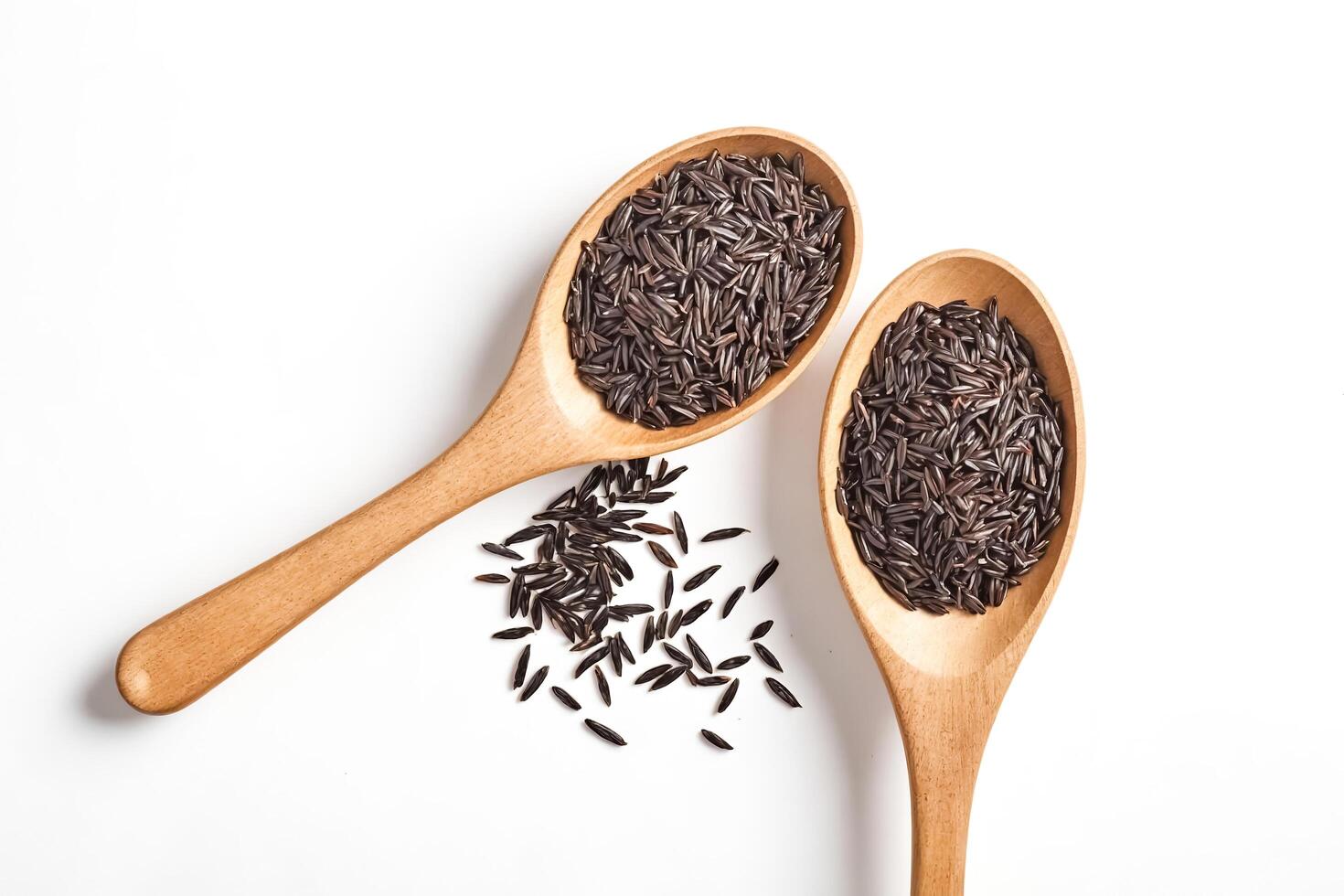
Wild rice itself is naturally gluten-free, as it’s not actually a type of rice but a grass seed. However, wild rice pilaf may contain other ingredients that are not gluten-free, such as regular wheat-based pasta or certain seasonings, so it’s important to check all ingredients or prepare it yourself to ensure it’s completely gluten-free.
Quick Tips
1High in protein: Wild rice contains more protein than most other grains, supporting muscle growth and repair.
2Rich in antioxidants: Contains antioxidants that help protect cells from damage caused by free radicals.
3Good source of fiber: Promotes digestive health, helps maintain healthy cholesterol levels, and aids in weight management.
# In This Article
3 sectionsQuick navigation to each section of this article:
1 Benefits of Wild Rice Pilaf
High in protein: Wild rice contains more protein than most other grains, supporting muscle growth and repair.
Jump2 Who should avoid Wild Rice Pilaf
People with celiac disease or gluten sensitivity: While wild rice is naturally gluten-free, some pilaf recipes may include ingredients containing gluten, so it’s important to check the ingredients list.
Jump3 Related Gluten Free Products
Here are five gluten-free options similar to Wild Rice Pilaf, along with short descriptions:
JumpBenefits of Wild Rice Pilaf
| Benefits of Wild Rice Pilaf |
|---|
| High in protein: Wild rice contains more protein than most other grains, supporting muscle growth and repair. |
| Rich in antioxidants: Contains antioxidants that help protect cells from damage caused by free radicals. |
| Good source of fiber: Promotes digestive health, helps maintain healthy cholesterol levels, and aids in weight management. |
| Low in fat: Wild rice is naturally low in fat, making it a heart-healthy option. |
| Gluten-free: Suitable for people with celiac disease or gluten sensitivity. |
| Contains essential minerals: Provides zinc, magnesium, phosphorus, and folate, supporting various bodily functions. |
| Low glycemic index: Helps regulate blood sugar levels, beneficial for diabetics and those watching their sugar intake. |
| Source of B vitamins: Offers vitamins B1, B2, and B3, which are important for energy metabolism. |
| Contains lysine: An essential amino acid that supports immune function and calcium absorption. |
| Provides manganese: Important for bone health and wound healing. |
| Versatile nutrient profile: When combined with vegetables and herbs in a pilaf, it offers a wide range of additional vitamins and minerals.Remember that the exact nutritional profile can vary depending on the specific ingredients used in the pilaf recipe. |
Who should avoid Wild Rice Pilaf
| Who should avoid Wild Rice Pilaf |
|---|
| People with celiac disease or gluten sensitivity: While wild rice is naturally gluten-free, some pilaf recipes may include ingredients containing gluten, so it’s important to check the ingredients list. |
| Individuals with rice allergies: Although rare, some people may be allergic to rice, including wild rice. |
| Those on a low-carb or keto diet: Wild rice is relatively high in carbohydrates, which may not fit into these dietary plans. |
| People with digestive issues: Some individuals may find wild rice difficult to digest due to its high fiber content. |
| Those with kidney problems: Wild rice is high in phosphorus and potassium, which may need to be limited in some kidney conditions. |
| Individuals with diabetes: While wild rice has a lower glycemic index than white rice, it can still affect blood sugar levels and should be consumed in moderation. |
| People with specific food intolerances: If the pilaf contains ingredients like onions, garlic, or certain spices, it may not be suitable for those with related food sensitivities. |
| Those on a low-sodium diet: Depending on the recipe, Wild Rice Pilaf may contain added salt, which should be considered for those monitoring sodium intake. |
| Individuals with nut allergies: Some pilaf recipes may include nuts, so it’s important to check the ingredients if you have a nut allergy. |
Related Gluten Free Products
Here are five gluten-free options similar to Wild Rice Pilaf, along with short descriptions:
| Related Gluten Free Products |
|---|
| Quinoa Medley: A protein-rich blend of quinoa, vegetables, and herbs, offering a nutty flavor and fluffy texture. It's versatile and can be served hot or cold. |
| Buckwheat Groats: Despite its name, buckwheat is gluten-free and can be prepared similarly to rice. It has a slightly earthy flavor and can be used in pilafs, salads, or as a side dish. |
| Millet Pilaf: A small, round grain with a mild, slightly sweet flavor. When cooked, it has a light, fluffy texture and can be seasoned with various herbs and spices. |
| Cauliflower Rice Pilaf: A low-carb alternative made from finely chopped cauliflower, seasoned and cooked to resemble rice. It's light, nutritious, and absorbs flavors well. |
| Sorghum Pilaf: An ancient grain with a chewy texture and slightly sweet taste. It can be prepared similarly to rice and holds up well in pilafs and salads. |
Health Information
? Frequently Asked Questions
4 questions1 Does wild rice pilaf have gluten?
2 Why is rice pilaf not gluten-free?
3 Why is wild rice not gluten-free?
4 Is Dainty Rice Pilaf gluten-free?
Our Expert
Drs. Ilse van Asperen
Orthomolecular Therapist, Nutritional Coach & Professional Editor
Drs. Ilse van Asperen is a medical doctor specialising in orthomolecular therapy and nutritional coaching. With a background in public and clinical health research and management, she focuses on addressing the root causes of health issues through diet, gut health, and stress reduction. As a professional editor for Little Helpers, she reviews all gluten-free content to ensure accuracy, safety, and scientific credibility. Read more on Drs. Ilse van Asperen's own website
Our Sources
The information on this page is based on reputable health and nutrition organisations, ensuring accuracy and reliability for anyone following a gluten-free diet. For further details, see the sources below.