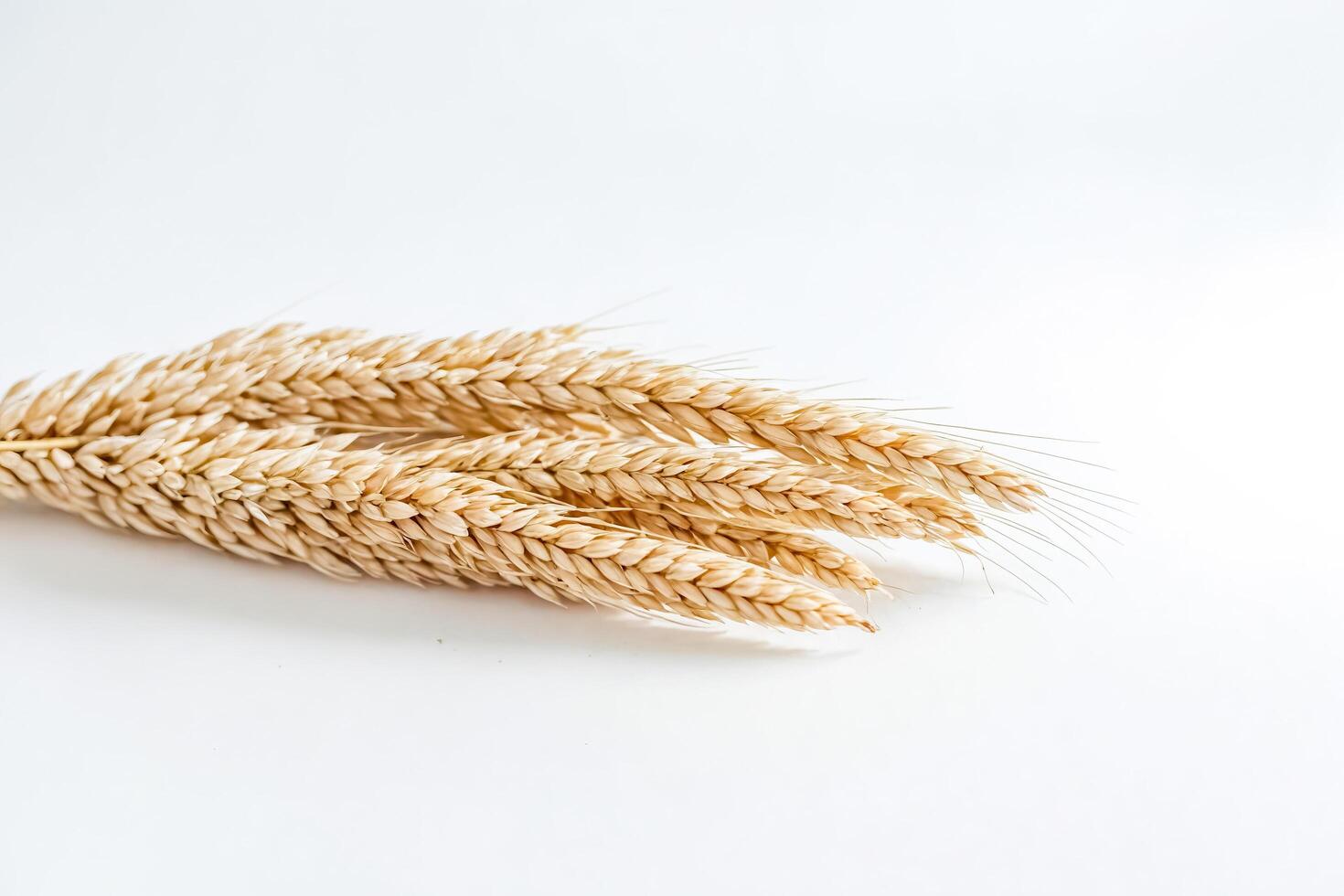
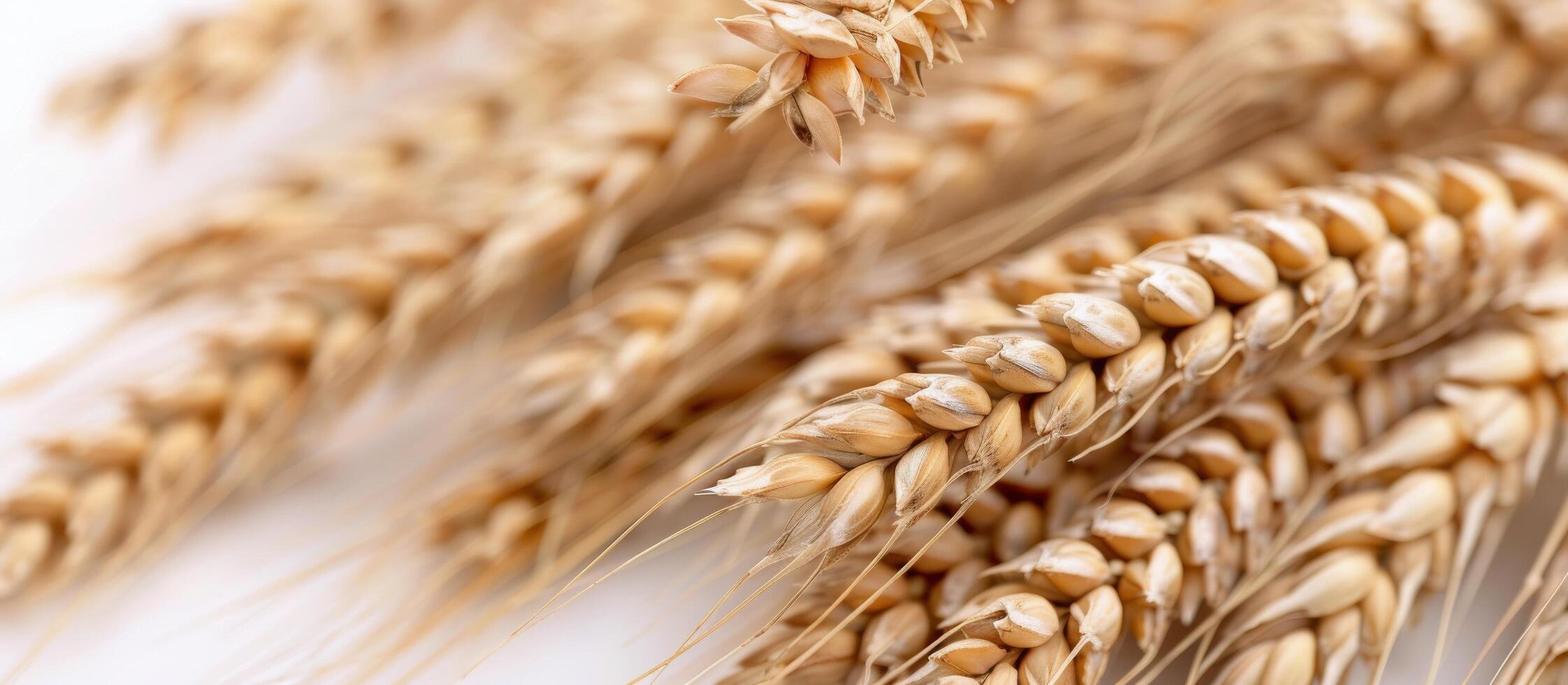
Is Winter Wheat Gluten Free?

Is Winter Wheat Gluten Free?

Winter wheat, like all varieties of wheat, contains gluten. Therefore, products made from winter wheat are not considered gluten-free and should be avoided by individuals with celiac disease or gluten sensitivity.

TL;DR

Winter wheat, like all varieties of wheat, contains gluten. Therefore, products made from winter wheat are not considered gluten-free and should be avoided by individuals with celiac disease or gluten sensitivity.

Quick Tips

1

High in fiber: Promotes digestive health and helps maintain a feeling of fullness

2

Rich in vitamins and minerals: – Vitamin B complex (including B1, B2, B3, and B6) – Vitamin E – Iron – Zinc – Magnesium – Phosphorus

3

Good source of protein: Essential for muscle building and repair

# In This Article

3 sections

Quick navigation to each section of this article:

1 Benefits of Winter Wheat

High in fiber: Promotes digestive health and helps maintain a feeling of fullness

Jump
2 Who should avoid Winter Wheat

People with celiac disease or gluten sensitivity, as wheat contains gluten

Jump
3 Gluten Free Alternatives

Here are five gluten-free alternatives to Winter Wheat, along with brief descriptions:

Jump

Benefits of Winter Wheat

Benefits of Winter Wheat
High in fiber: Promotes digestive health and helps maintain a feeling of fullness
Rich in vitamins and minerals: – Vitamin B complex (including B1, B2, B3, and B6) – Vitamin E – Iron – Zinc – Magnesium – Phosphorus
Good source of protein: Essential for muscle building and repair
Contains antioxidants: Helps protect cells from damage caused by free radicals
Low in fat: Beneficial for heart health and weight management
Complex carbohydrates: Provides sustained energy release
May help reduce the risk of chronic diseases: – Heart disease – Type 2 diabetes – Certain types of cancer
Supports healthy weight management: Due to its fiber content and low calorie density
Gluten content: Beneficial for those who need gluten in their diet (though not suitable for those with celiac disease or gluten sensitivity)
May help lower cholesterol levels: Due to its fiber content
Supports healthy blood sugar regulation: Thanks to its complex carbohydrates and fiber
Contains phytochemicals: Which may have various health-promoting propertiesRemember that these benefits are general, and individual responses may vary. It’s always best to consult with a healthcare professional or nutritionist for personalized dietary advice.

Who should avoid Winter Wheat

Who should avoid Winter Wheat
People with celiac disease or gluten sensitivity, as wheat contains gluten
Individuals with wheat allergies
Those following a grain-free or low-carb diet
People adhering to a paleo or primal diet
Individuals with certain digestive disorders that are aggravated by wheat consumption
Those following a ketogenic diet
People with non-celiac wheat sensitivity (NCWS)
Individuals trying to avoid FODMAPs (fermentable oligosaccharides, disaccharides, monosaccharides, and polyols)
Those with specific wheat-related intolerances or sensitivities
People following a raw food diet, as wheat typically requires cooking
Individuals with certain autoimmune conditions that may be exacerbated by wheat consumption
Those trying to avoid lectins, which are present in wheatIt’s important to note that for most people without specific health concerns or dietary restrictions, winter wheat can be part of a healthy, balanced diet. Always consult with a healthcare professional or registered dietitian before making significant changes to your diet.
ENJOY YOUR FAVORITE FOODS FEARLESSLY!
Don’t let gluten hold you back. Take Anti-Gluten Pills before your meal and enjoy peace of mind.
SHOP ANTI-GLUTEN PILLS
Clinically proven · Up to 86% gluten reduction · Fast acting

Gluten Free Alternatives

Here are five gluten-free alternatives to Winter Wheat, along with brief descriptions:

Gluten Free Alternatives
Sorghum: A nutrient-rich, drought-resistant grain with a mild, slightly sweet flavor. It's versatile and can be used in baking, brewing, and as a whole grain in various dishes.
Quinoa: A protein-packed pseudo-grain that's actually a seed. It has a nutty flavor and fluffy texture when cooked, making it an excellent substitute in salads, side dishes, and baked goods.
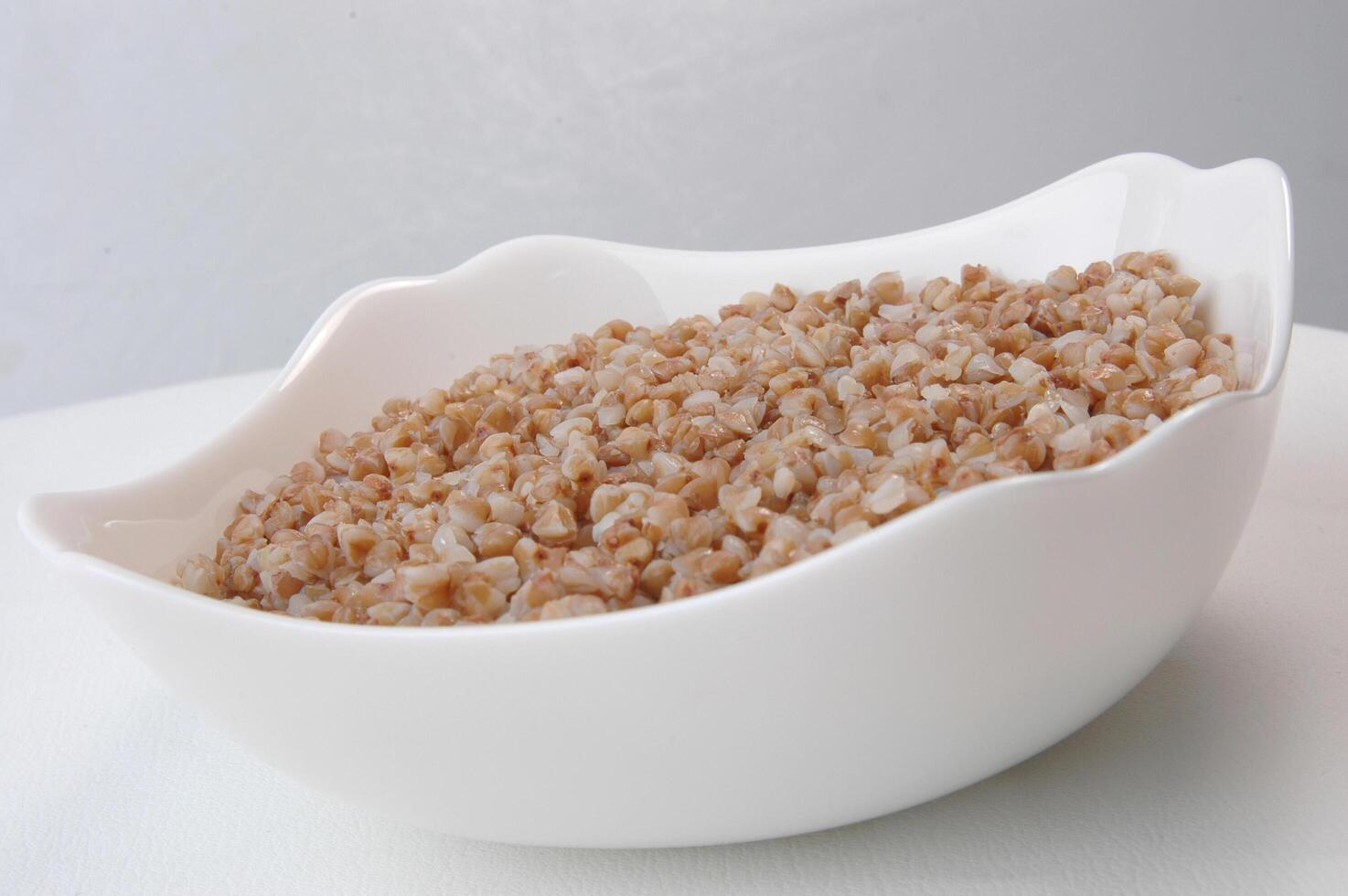
Buckwheat: Despite its name, buckwheat is not related to wheat and is naturally gluten-free. It has a distinctive earthy flavor and can be used in pancakes, noodles (soba), and as a flour in baking.
Amaranth: An ancient grain with a slightly peppery taste and high protein content. It can be popped like popcorn, cooked as a porridge, or ground into flour for baking.
Teff: A tiny grain originating from Ethiopia, teff is rich in nutrients and has a mild, nutty flavor. It's commonly used to make injera (a type of flatbread) and can be used in porridges, baked goods, and as a thickening agent.

Health Information

? Frequently Asked Questions

4 questions
1 Does winter wheat have gluten?
Yes, winter wheat contains gluten. Gluten is a protein found in wheat, barley, and rye. Winter wheat is a variety of wheat that is planted in the fall and harvested in the spring or early summer. As a type of wheat, it naturally contains gluten like other wheat varieties.
2 Which wheat is gluten-free?
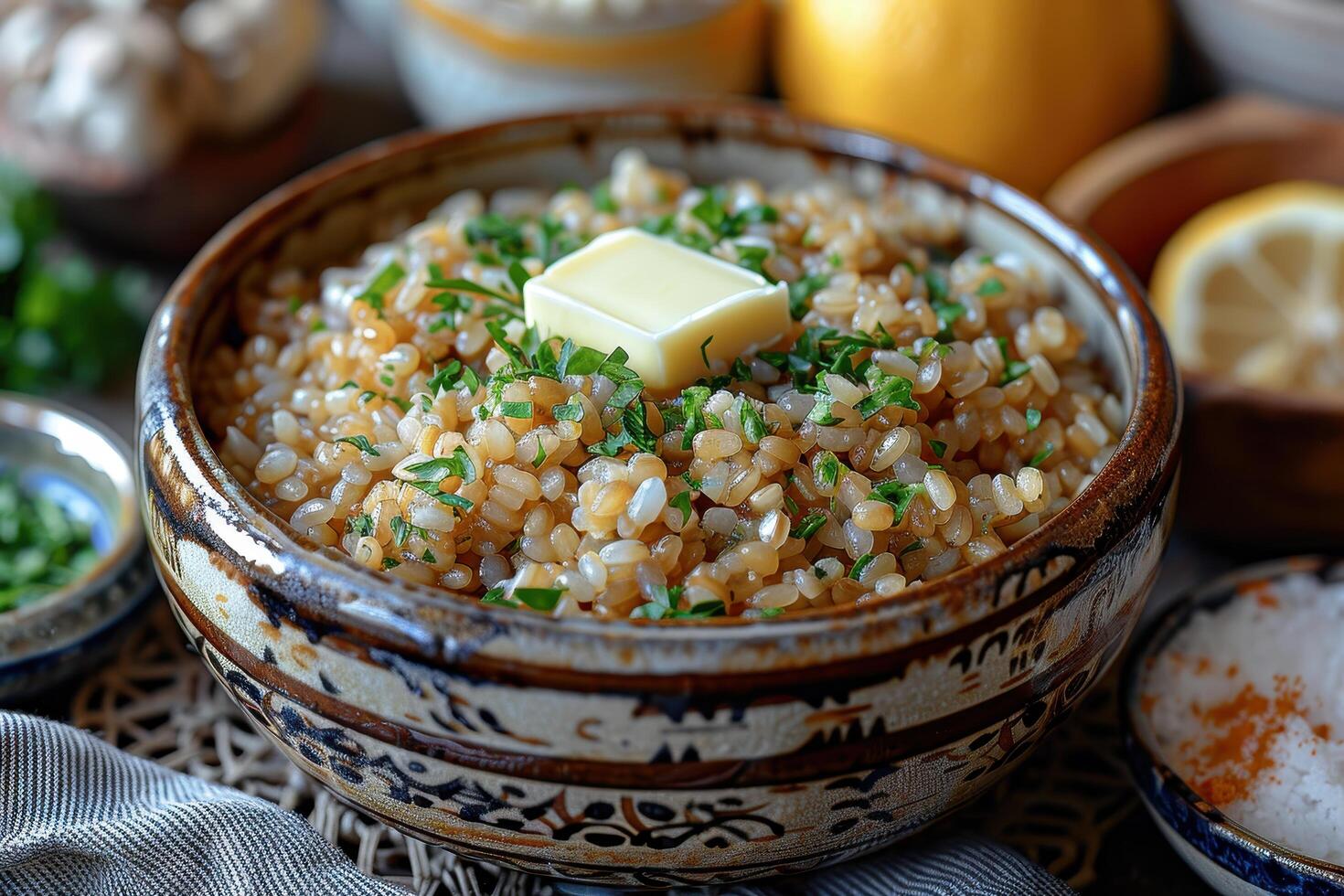
No wheat is naturally gluten-free. Wheat, by definition, contains gluten proteins. All varieties of wheat, including durum, spelt, and kamut, contain gluten. For those seeking gluten-free alternatives, options like rice, corn, quinoa, and amaranth can be used instead of wheat.
3 What is the difference between winter wheat and wheat?
Winter wheat and regular wheat are both varieties of the same cereal grain, but they have different growing seasons. Winter wheat is planted in the fall and harvested in early summer, while regular wheat is planted in spring and harvested in late summer or early fall. Winter wheat is more cold-tolerant and develops a stronger root system during its longer growing period. This often results in higher yields and better drought resistance compared to regular wheat.
4 Which wheat is lowest in gluten?
Einkorn wheat is generally considered to have the lowest gluten content among wheat varieties. This ancient grain has a simpler genetic makeup compared to modern wheat, resulting in less gluten formation. Spelt and kamut, while not as low as einkorn, also tend to have less gluten than common wheat. However, it's important to note that all wheat varieties contain gluten, so those with celiac disease or severe gluten sensitivity should avoid wheat entirely.
LIVE GLUTEN-FREE WITHOUT THE FUSS!
Introducing Tolerase® G, clinically proven to reduce up to 86% of gluten in under 10 minutes. Experience the freedom to eat what you love.
SHOP ANTI-GLUTEN PILLS
150mg pure Tolerase® G · Reduces gluten by 86% · Under 10 minutes

Our Expert

Drs. Ilse van Asperen, Orthomolecular Therapist and Nutritional Coach

Drs. Ilse van Asperen

Orthomolecular Therapist, Nutritional Coach & Professional Editor

Drs. Ilse van Asperen is a medical doctor specialising in orthomolecular therapy and nutritional coaching. With a background in public and clinical health research and management, she focuses on addressing the root causes of health issues through diet, gut health, and stress reduction. As a professional editor for Little Helpers, she reviews all gluten-free content to ensure accuracy, safety, and scientific credibility. Read more on Drs. Ilse van Asperen's own website

Our Sources

The information on this page is based on reputable health and nutrition organisations, ensuring accuracy and reliability for anyone following a gluten-free diet. For further details, see the sources below.
Sources

Similar Articles

Back to blog