What asian foods are gluten free

What asian foods are gluten free

When avoiding gluten, knowing exactly which asian foods are safe is essential. This guide lists real products with confirmed gluten verdictsthose that are safe, those that arent, and those that vary by brand or recipe. With every product clearly linked and explained, youll save time, reduce confusion, and stay safer when choosing what to eat. All data is backed by the Little Helpers gluten-free product system.

Quick Tips

1

Consult resources like Coeliac UK, FDA (US), or AOECS for up-to-date asian foods safety lists.

2

Watch for regional variations—asian foods sold in different countries may have different recipes.

3

Avoid asian foods with ambiguous ingredients like ‘malt extract’ or ‘modified starch’ unless certified.

# In This Article

5 sections

Quick navigation to each section of this article:

1 What Does Gluten-Free Asian Foods Mean?

A gluten-free asian foods must contain less than 20 parts per million (ppm) of gluten and cannot include wheat, barley, rye, or derivatives. Certified gluten-free products are produced in facilities that prevent cross-contamination and are clearly labelled to help shoppers make safe choices.

Jump
2 Which Asian foods are safe for a Gluten-Free Diet?

Generally, plain hibachi rice is gluten-free as it’s typically made with just rice, vegetables, and seasonings. However, some restaurants may use soy sauce or other additives containing gluten in their preparation, so it’s always best to ask about specific ingredients and preparation methods if you have gluten sensitivities or celiac disease.

Jump
3 Which Asian Foods Not Safe for Gluten Free Diet?

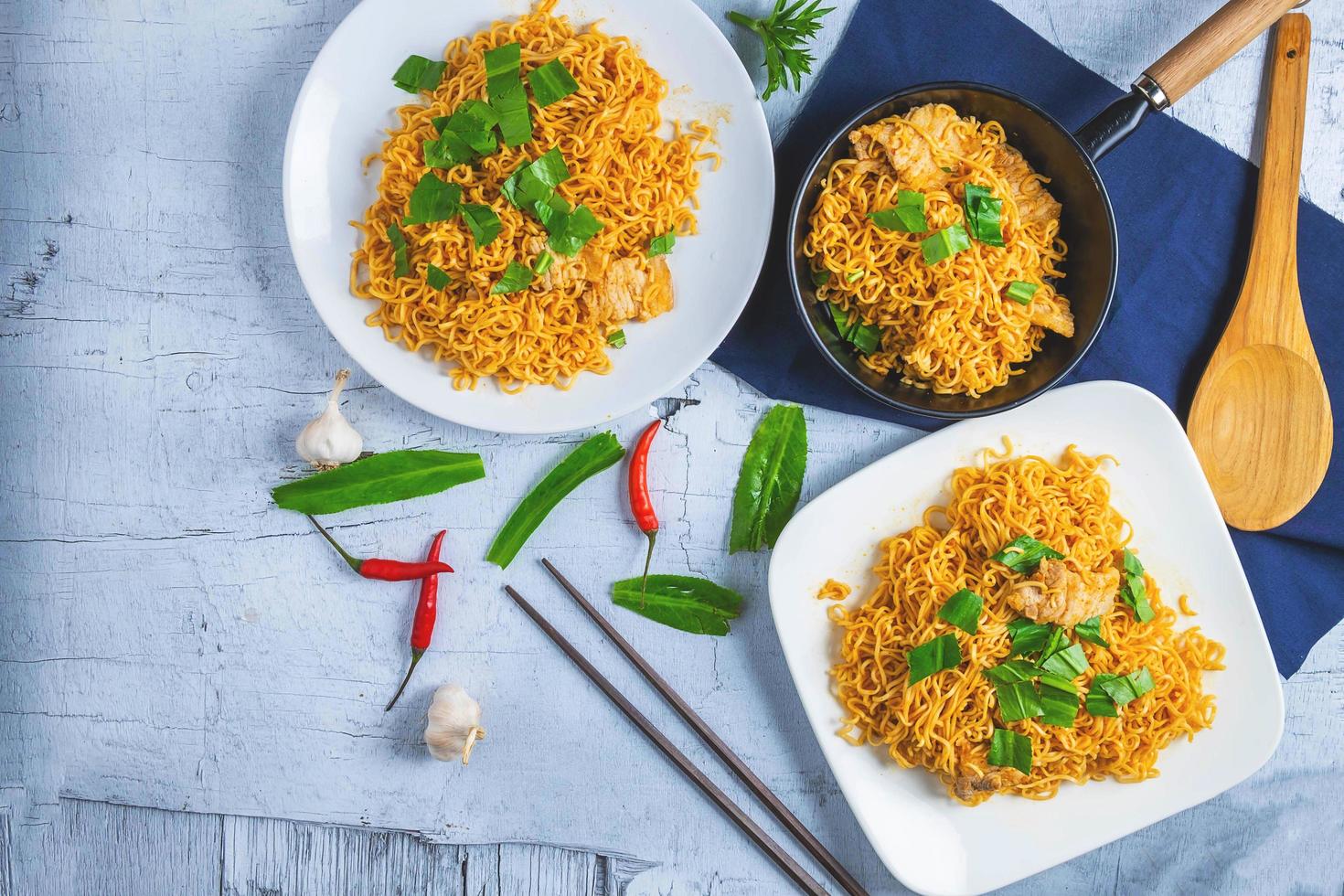
Buldak Ramen, also known as “Fire Noodles,” typically contains wheat flour in the noodles, which means it is not gluten-free. However, some brands may offer gluten-free versions of spicy ramen, so it’s important to check the specific product’s ingredients and labeling if you require a gluten-free option.

Jump
4 How to Choose Gluten-Free AQsian Foods

Consult resources like Coeliac UK, FDA (US), or AOECS for up-to-date asian foods safety lists.

Jump
5 Final Thoughts

If you’re avoiding gluten, choose asian foods that are certified and made in dedicated facilities. Avoid vague claims—seek trusted producers and clear testing info for coeliac safety.

Jump

What Does Gluten-Free Asian Foods Mean?

A gluten-free asian foods must contain less than 20 parts per million (ppm) of gluten and cannot include wheat, barley, rye, or derivatives. Certified gluten-free products are produced in facilities that prevent cross-contamination and are clearly labelled to help shoppers make safe choices. (According to FDA and EU Regulation 828/2014 on gluten-free labeling standards.)

Which Asian foods are safe for a Gluten-Free Diet?

Product Details
Hibachi Rice Generally, plain hibachi rice is gluten-free as it’s typically made with just rice, vegetables, and seasonings. However, some restaurants may use soy sauce or other additives containing gluten in their preparation, so it’s always best to ask about specific ingredients and preparation methods if you have gluten sensitivities or celiac disease.
Immi Ramen Immi Ramen is a brand that offers gluten-free instant ramen noodles. Their products are made from plant-based ingredients and are specifically marketed as gluten-free alternatives to traditional wheat-based ramen.
Instant Rice Generally, plain instant rice is gluten-free as it's made solely from rice, which naturally doesn't contain gluten. However, it's always important to check the label for any added ingredients or potential cross-contamination during processing, especially for flavored or seasoned varieties of instant rice.
Curry Generally, curry itself is gluten-free as it’s typically made from a blend of spices. However, some pre-made curry sauces or mixes may contain gluten-containing ingredients, so it’s important to check labels or make your own curry from scratch if you have gluten sensitivities.
Edamame Yes, edamame is naturally gluten-free. As a soybean product, edamame does not contain any wheat, barley, rye, or other gluten-containing grains.
Japanese Clear Soup Japanese clear soup, also known as suimono, is typically gluten-free as it’s usually made with dashi (a broth made from kombu seaweed and bonito flakes), vegetables, and sometimes small amounts of seafood or tofu. However, it’s always important to verify ingredients with the specific recipe or restaurant, as some variations might include soy sauce or other additives that contain gluten.
ENJOY YOUR FAVORITE FOODS FEARLESSLY!
Don’t let gluten hold you back. Take Anti-Gluten Pills before your meal and enjoy peace of mind.
SHOP ANTI-GLUTEN PILLS
Clinically proven · Up to 86% gluten reduction · Fast acting

Which Asian Foods Not Safe for Gluten Free Diet?

Product Why It’s Not Safe
Buldak Ramen Buldak Ramen, also known as “Fire Noodles,” typically contains wheat flour in the noodles, which means it is not gluten-free. However, some brands may offer gluten-free versions of spicy ramen, so it’s important to check the specific product’s ingredients and labeling if you require a gluten-free option.
Dynasty Hoisin Sauce Dynasty brand Hoisin Sauce is not gluten-free. It contains wheat as one of its ingredients, which makes it unsuitable for those following a gluten-free diet.
Kani Kani, also known as imitation crab meat, is typically not gluten-free. It often contains wheat-based ingredients as binders or fillers, making it unsuitable for those with gluten sensitivities or celiac disease.
Kimchi Kimchi is typically gluten-free as it is traditionally made from fermented vegetables, primarily napa cabbage, along with seasonings like gochugaru (red pepper flakes), garlic, ginger, and fish sauce. However, it’s important to check the ingredients list or inquire about the specific preparation method, as some variations or commercial brands might include wheat-based ingredients or soy sauce containing gluten.
La Choy Soy Sauce La Choy Soy Sauce is not gluten-free, as it contains wheat as one of its ingredients. Those with gluten sensitivities or celiac disease should avoid this product and look for specifically labeled gluten-free soy sauce alternatives.
Maruchan Maruchan does not certify any of their products as gluten-free. While some of their products may not contain gluten-containing ingredients, there is a risk of cross-contamination during manufacturing, so they are not considered safe for those with celiac disease or gluten sensitivity.

How to Choose Gluten-Free AQsian Foods

1

Consult resources like Coeliac UK, FDA (US), or AOECS for up-to-date asian foods safety lists.

2

Watch for regional variations—asian foods sold in different countries may have different recipes.

3

Avoid asian foods with ambiguous ingredients like ‘malt extract’ or ‘modified starch’ unless certified.

4

Watch for regional variations—asian foods sold in different countries may have different recipes.

5

Refer to manufacturer websites for allergen declarations on asian foods.

6

Call the manufacturer directly if the gluten status of asian foods isn’t clearly labelled.

Frequently Asked Questions

? Frequently Asked Questions

5 questions
1 Can I eat asian foods on a strict gluten-free diet?
Only if the product is certified and tested to be below the 20ppm gluten threshold.
2 Is it safe to trust 'may contain gluten' labels on asian foods?
Only if the product is certified and tested to be below the 20ppm gluten threshold.
3 Are all asian foods brands gluten-free?
No. Some brands use different ingredients, so always double-check the packaging or website.
4 How do I know if asian foods is safe for coeliacs?
No. These indicate risk of cross-contamination and should be avoided by people with coeliac disease.
5 How do I know if asian foods is safe for coeliacs?
Some asian foods might be naturally gluten-free, but many include gluten-containing additives. Always verify the label.

Final Thoughts

If you’re avoiding gluten, choose asian foods that are certified and made in dedicated facilities. Avoid vague claims—seek trusted producers and clear testing info for coeliac safety.

LIVE GLUTEN-FREE WITHOUT THE FUSS!
Introducing Tolerase® G, clinically proven to reduce up to 86% of gluten in under 10 minutes. Experience the freedom to eat what you love.
SHOP ANTI-GLUTEN PILLS
150mg pure Tolerase® G · Reduces gluten by 86% · Under 10 minutes

Our Expert

Drs. Ilse van Asperen, Orthomolecular Therapist and Nutritional Coach

Drs. Ilse van Asperen

Orthomolecular Therapist, Nutritional Coach & Professional Editor

Drs. Ilse van Asperen is a medical doctor specialising in orthomolecular therapy and nutritional coaching. With a background in public and clinical health research and management, she focuses on addressing the root causes of health issues through diet, gut health, and stress reduction. As a professional editor for Little Helpers, she reviews all gluten-free content to ensure accuracy, safety, and scientific credibility. Read more on Drs. Ilse van Asperen's own website

Our Sources

The information on this page is based on reputable health and nutrition organisations, ensuring accuracy and reliability for anyone following a gluten-free diet. For further details, see the sources below.
Sources

Similar Articles

Back to blog