Is Almond Flour Gluten Free?

Is Almond Flour Gluten Free?

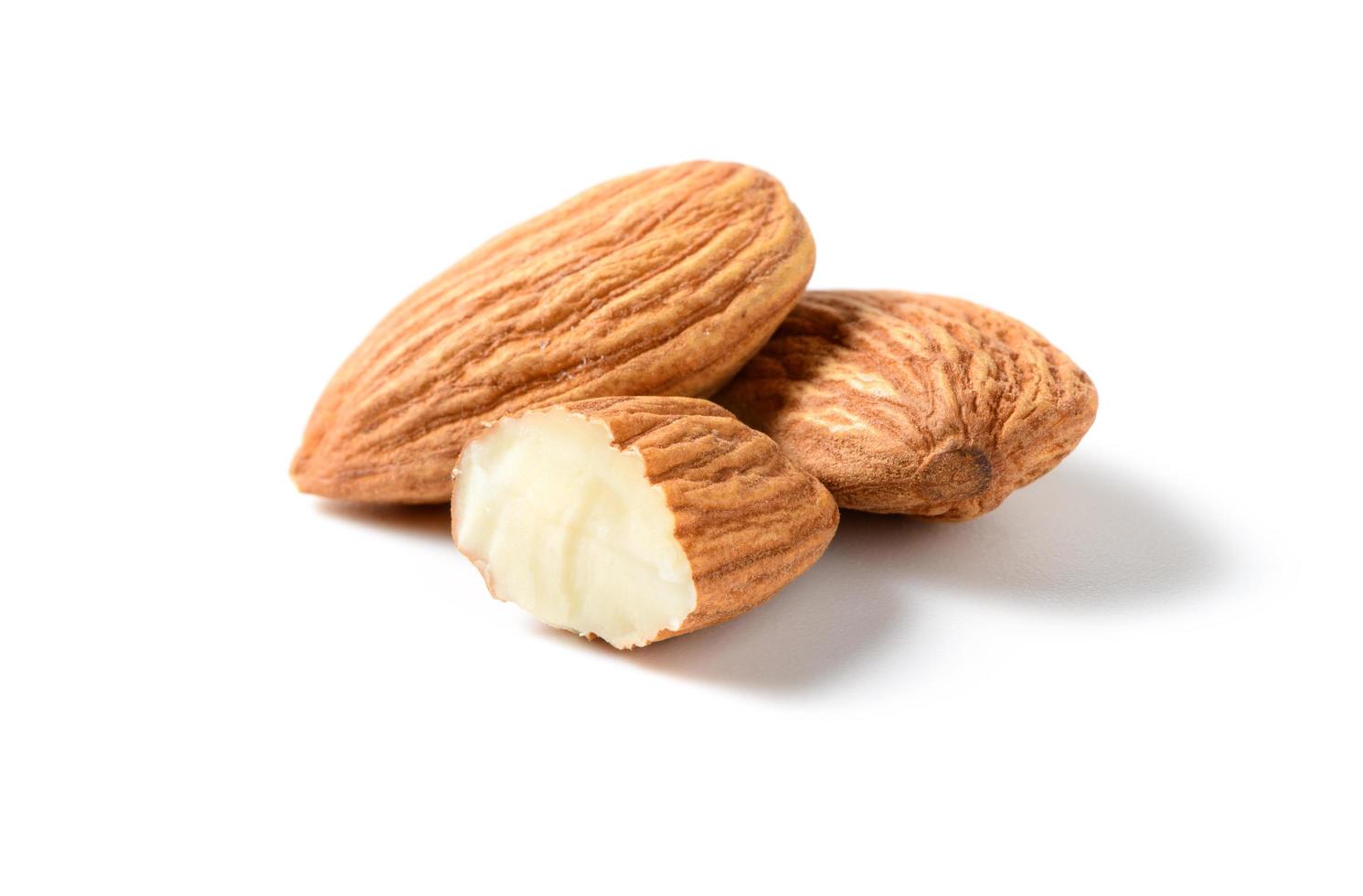
Yes, almond flour is gluten-free. It is made entirely from ground almonds, which naturally do not contain gluten.

TL;DR

Yes, almond flour is gluten-free. It is made entirely from ground almonds, which naturally do not contain gluten.

Quick Tips

1

Gluten-free, making it suitable for people with celiac disease or gluten sensitivity

2

Low in carbohydrates, ideal for low-carb or keto diets

3

High in protein, providing about 6 grams per 1/4 cup serving

# In This Article

3 sections

Quick navigation to each section of this article:

1 Benefits of Almond Flour

Gluten-free, making it suitable for people with celiac disease or gluten sensitivity

Jump
2 Who should avoid Almond Flour

People with tree nut allergies: Almond flour is made from ground almonds, which are tree nuts and can cause severe allergic reactions in those with nut allergies.

Jump
3 Related Gluten Free Products

Here are five gluten-free options similar to almond flour:

Jump

Benefits of Almond Flour

Benefits of Almond Flour
Gluten-free, making it suitable for people with celiac disease or gluten sensitivity
Low in carbohydrates, ideal for low-carb or keto diets
High in protein, providing about 6 grams per 1/4 cup serving
Rich in vitamin E, an important antioxidant
Good source of magnesium, which supports bone health and various bodily functions
Contains healthy monounsaturated fats, which may help reduce heart disease risk
High in fiber, promoting digestive health and feelings of fullness
Lower glycemic index compared to wheat flour, potentially helping with blood sugar control
Contains manganese, which supports bone health and wound healing
Rich in phosphorus, important for bone health and cellular function
May help with weight management due to its protein and fiber content

Who should avoid Almond Flour

Who should avoid Almond Flour
People with tree nut allergies: Almond flour is made from ground almonds, which are tree nuts and can cause severe allergic reactions in those with nut allergies.
Individuals with oxalate sensitivity or kidney stones: Almonds are high in oxalates, which can contribute to kidney stone formation in susceptible individuals.
Those on a low-fat diet: Almond flour is relatively high in fat compared to wheat flour, which may not align with certain dietary restrictions.
Those watching their calorie intake: Almond flour is more calorie-dense than wheat flour
Individuals with FODMAP sensitivities: Almonds contain moderate FODMAPs, which can trigger digestive symptoms in some people with IBS or other gut issues.Remember, it’s always best to consult with a healthcare professional or registered dietitian before making significant changes to your diet, especially if you have health concerns or allergies.
ENJOY YOUR FAVORITE FOODS FEARLESSLY!
Don’t let gluten hold you back. Take Anti-Gluten Pills before your meal and enjoy peace of mind.
SHOP ANTI-GLUTEN PILLS
Clinically proven · Up to 86% gluten reduction · Fast acting

Here are five gluten-free options similar to almond flour:

Related Gluten Free Products
Coconut Flour: Made from dried, ground coconut meat, this flour is high in fiber. It's very absorbent, so recipes typically require less coconut flour compared to other flours.
Cassava Flour: Derived from the cassava root, this flour has a neutral flavor and texture similar to wheat flour. It's grain-free and works well in many baking applications.
Chickpea Flour: Also known as garbanzo bean flour, it's high in protein and fiber. It has a slightly nutty flavor and is commonly used in savory dishes and some baked goods.
Buckwheat Flour: Despite its name, buckwheat is not related to wheat and is gluten-free. It has a strong, earthy flavor and is rich in nutrients, often used in pancakes and noodles.
Rice Flour: Made from finely milled rice, it comes in brown and white varieties. It has a mild flavor and is often used in gluten-free baking mixes, as a thickener, or for making rice noodles.

Health Information

? Frequently Asked Questions

2 questions
1 Can almond flour replace regular flour?
Almond flour can replace regular flour in many recipes, but not all. It works well in certain baked goods like cookies, cakes, and quick breads. However, almond flour behaves differently than wheat flour due to its lack of gluten, so recipes may need to be adjusted. It's best to use recipes specifically designed for almond flour or to experiment carefully when substituting.
2 What is the secret to baking with almond flour?
The secret to baking with almond flour is to adjust your recipes appropriately, as it behaves differently than wheat flour. The general recommendation is to start with the same amount as wheat flour but to adjust based on the specific recipe and desired texture. Be mindful of baking temperature and time, as almond flour can brown more quickly. Finally, embrace almond flour's naturally sweet and nutty flavor to enhance your baked goods.
LIVE GLUTEN-FREE WITHOUT THE FUSS!
Introducing Tolerase® G, clinically proven to reduce up to 86% of gluten in under 10 minutes. Experience the freedom to eat what you love.
SHOP ANTI-GLUTEN PILLS
150mg pure Tolerase® G · Reduces gluten by 86% · Under 10 minutes

Our Expert

Drs. Ilse van Asperen, Orthomolecular Therapist and Nutritional Coach

Drs. Ilse van Asperen

Orthomolecular Therapist, Nutritional Coach & Professional Editor

Drs. Ilse van Asperen is a medical doctor specialising in orthomolecular therapy and nutritional coaching. With a background in public and clinical health research and management, she focuses on addressing the root causes of health issues through diet, gut health, and stress reduction. As a professional editor for Little Helpers, she reviews all gluten-free content to ensure accuracy, safety, and scientific credibility. Read more on Drs. Ilse van Asperen's own website

Our Sources

The information on this page is based on reputable health and nutrition organisations, ensuring accuracy and reliability for anyone following a gluten-free diet. For further details, see the sources below.

Sources

Similar Articles

Back to blog