Share
TL;DR
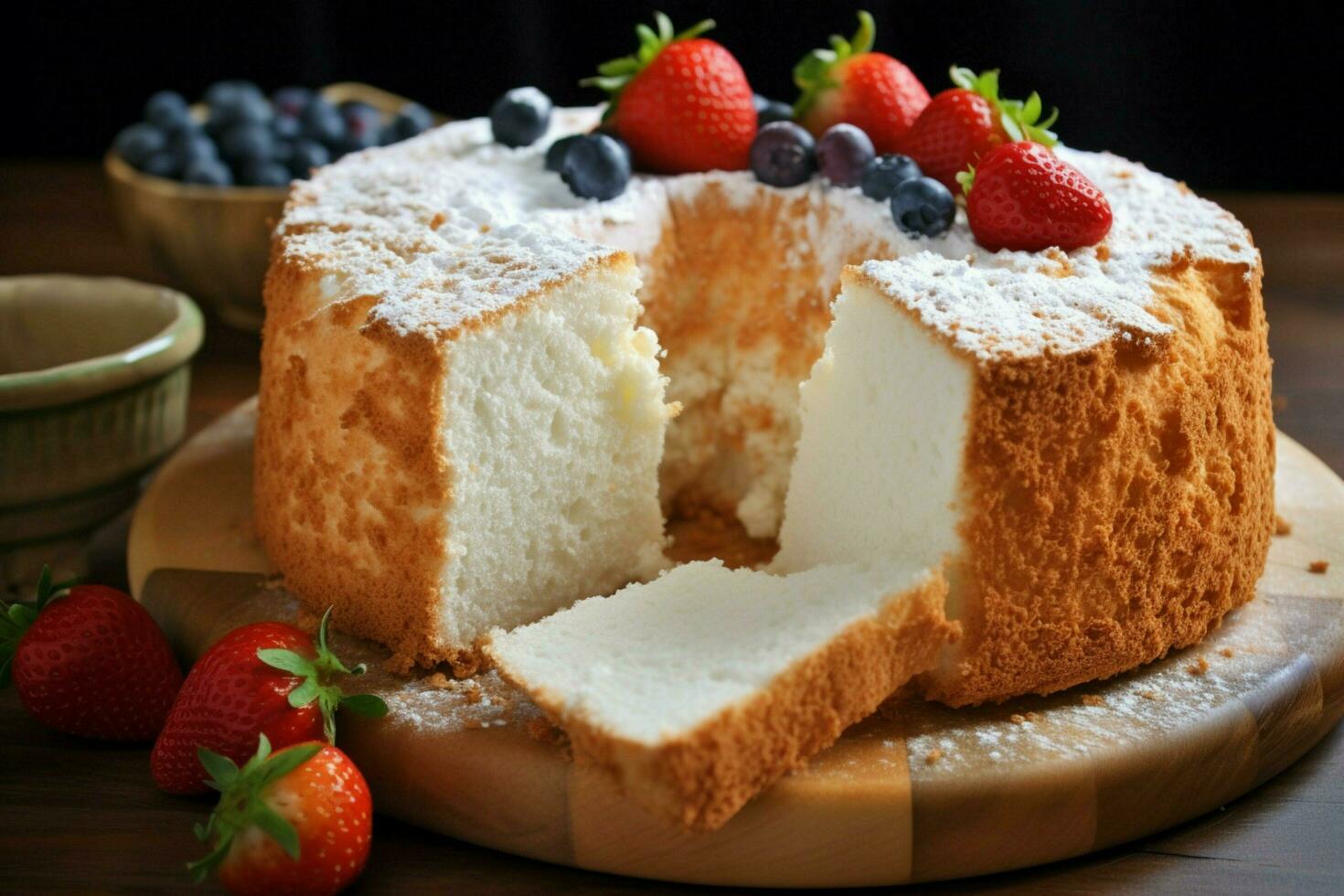
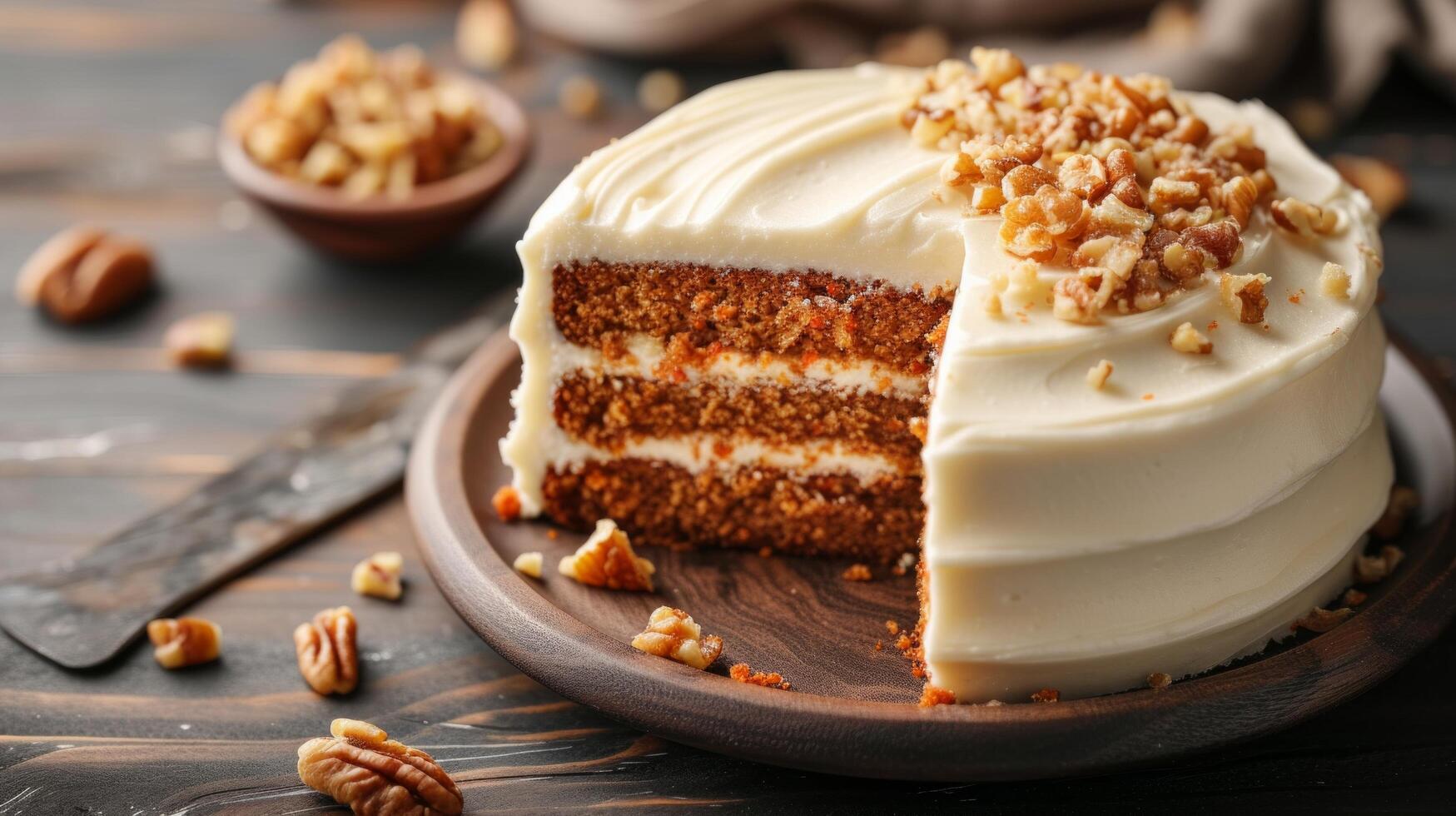
Cake is not inherently gluten-free, as traditional cake recipes typically use wheat flour, which contains gluten. However, there are many gluten-free cake recipes and alternatives available that use gluten-free flours such as almond flour, coconut flour, or rice flour instead.
Quick Tips
1Emotional well-being: Eating cake can provide a sense of joy and satisfaction, potentially improving mood.
2Social connection: Sharing cake at celebrations can foster social bonds and promote positive social interactions.
3Energy boost: The carbohydrates and sugars in cake can provide a quick source of energy.
# In This Article
3 sectionsQuick navigation to each section of this article:
1 Benefits of Cake
Emotional well-being: Eating cake can provide a sense of joy and satisfaction, potentially improving mood.
Jump2 Who should avoid Cake
People with diabetes or prediabetes
Jump3 Gluten Free Alternatives
Here are five gluten-free alternatives to cake, along with short descriptions for each:
JumpBenefits of Cake
| Benefits of Cake |
|---|
| Emotional well-being: Eating cake can provide a sense of joy and satisfaction, potentially improving mood. |
| Social connection: Sharing cake at celebrations can foster social bonds and promote positive social interactions. |
| Energy boost: The carbohydrates and sugars in cake can provide a quick source of energy. |
| Nutrient content: Some cakes may contain ingredients with nutritional value, such as: – Eggs (protein, vitamins) – Milk (calcium, protein) – Fruits (vitamins, fiber, antioxidants) – Nuts (healthy fats, protein) |
| Occasional indulgence: Including treats like cake in a balanced diet may help maintain a healthy relationship with food. |
| Potential antioxidants: Dark chocolate cakes may contain some antioxidants from cocoa.It’s important to note that these benefits are limited, and cake should be consumed in moderation as part of a balanced diet. The high sugar and calorie content of most cakes means they should be considered an occasional treat rather than a regular part of a healthy diet. |
Who should avoid Cake
| Who should avoid Cake |
|---|
| People with diabetes or prediabetes |
| Individuals trying to lose weight or maintain weight loss |
| Those with celiac disease or gluten sensitivity (for most traditional cakes) |
| People with egg allergies (for cakes containing eggs) |
| Individuals with dairy allergies or lactose intolerance (for cakes containing milk products) |
| Those with nut allergies (for cakes containing nuts or processed in facilities with nuts) |
| People with certain eating disorders, such as binge eating disorder |
| Individuals following specific diets like keto, paleo, or whole30 |
| Those with insulin resistance or metabolic syndrome |
| People with a history of addiction to sugar or refined carbohydrates |
| Individuals with certain gastrointestinal conditions that are aggravated by high-sugar foods |
| Those with candida overgrowth or yeast infections |
| People with dental problems or a high risk of cavities |
| Individuals with certain types of cancer that are fueled by sugar |
| Those following a doctor’s orders to avoid high-sugar foods for any specific health reasonRemember, occasional consumption in moderation might be fine for many people, but it’s always best to consult with a healthcare professional for personalized advice. |
Gluten Free Alternatives
Here are five gluten-free alternatives to cake, along with short descriptions for each:
| Gluten Free Alternatives |
|---|
| Flourless Chocolate Torte - A rich, dense dessert made primarily with chocolate, butter, and eggs. It has a fudgy texture and intense chocolate flavor, often served in small slices due to its richness. |
| Pavlova - A meringue-based dessert with a crisp outer shell and soft, marshmallow-like interior. It's typically topped with whipped cream and fresh fruits, offering a light and airy alternative to traditional cake. |
| Cheesecake (with gluten-free crust) - A creamy, indulgent dessert made with a soft cheese base (usually cream cheese) and a gluten-free crust made from nuts or gluten-free cookies. It can be flavored in various ways and served baked or no-bake. |
| Rice Pudding Cake - A dessert made from cooked rice, milk, sugar, and eggs, often flavored with vanilla or cinnamon. It has a custard-like consistency and can be molded into a cake shape, providing a comforting and satisfying gluten-free option. |
| Fruit and Nut Tart - A dessert featuring a gluten-free crust made from ground nuts or gluten-free flour, filled with a mixture of fresh fruits and nuts. It offers a balance of textures and flavors, and can be customized based on seasonal fruits. |
Health Information
? Frequently Asked Questions
4 questions1 Do cakes contain gluten?
2 What cakes do not contain gluten?
3 Is all cake flour gluten-free?
4 Are bundt cake gluten-free?
Our Expert
Drs. Ilse van Asperen
Orthomolecular Therapist, Nutritional Coach & Professional Editor
Drs. Ilse van Asperen is a medical doctor specialising in orthomolecular therapy and nutritional coaching. With a background in public and clinical health research and management, she focuses on addressing the root causes of health issues through diet, gut health, and stress reduction. As a professional editor for Little Helpers, she reviews all gluten-free content to ensure accuracy, safety, and scientific credibility. Read more on Drs. Ilse van Asperen's own website
Our Sources
The information on this page is based on reputable health and nutrition organisations, ensuring accuracy and reliability for anyone following a gluten-free diet. For further details, see the sources below.