Share
TL;DR
Yes, celery salt is typically gluten-free as it is made from ground celery seeds and salt, neither of which contain gluten. However, it’s always important to check the specific product label or contact the manufacturer to ensure there hasn’t been any cross-contamination during processing, especially if you have severe gluten sensitivity or celiac disease.
Quick Tips
1Low in calories: Celery salt is a low-calorie seasoning option, making it suitable for those watching their calorie intake.
2Source of essential minerals: It contains small amounts of minerals like sodium, potassium, and calcium.
3Potential anti-inflammatory properties: Celery, a main component of celery salt, contains antioxidants that may help reduce inflammation.
# In This Article
3 sectionsQuick navigation to each section of this article:
1 Benefits of Celery Salt
Low in calories: Celery salt is a low-calorie seasoning option, making it suitable for those watching their calorie intake.
Jump2 Who should avoid Celery Salt
Individuals with celery allergies: Celery salt contains celery seed, which can trigger allergic reactions in sensitive individuals.
Jump3 Related Gluten Free Products
Here are five similar gluten-free options to Celery Salt, along with short descriptions:
JumpBenefits of Celery Salt
| Benefits of Celery Salt |
|---|
| Low in calories: Celery salt is a low-calorie seasoning option, making it suitable for those watching their calorie intake. |
| Source of essential minerals: It contains small amounts of minerals like sodium, potassium, and calcium. |
| Potential anti-inflammatory properties: Celery, a main component of celery salt, contains antioxidants that may help reduce inflammation. |
| May help regulate blood pressure: The potassium in celery salt can help balance sodium levels, potentially aiding in blood pressure regulation. |
| Flavor enhancer: It can add flavor to dishes without adding extra fat or calories, encouraging healthier eating habits. |
| Potential diuretic effects: Celery has natural diuretic properties, which may help flush toxins from the body. |
| Digestive aid: Celery contains fiber, which can promote healthy digestion. |
| Hydration support: Celery has a high water content, contributing to overall hydration when consumed. |
| Potential antibacterial properties: Some compounds in celery may have antibacterial effects. |
| May support bone health: The calcium content in celery salt, though small, contributes to overall calcium intake for bone health.Note: While celery salt offers these potential benefits, it should be consumed in moderation due to its sodium content, especially for those on sodium-restricted diets. |
Who should avoid Celery Salt
| Who should avoid Celery Salt |
|---|
| Individuals with celery allergies: Celery salt contains celery seed, which can trigger allergic reactions in sensitive individuals. |
| People with sodium-restricted diets: Celery salt contains sodium and may not be suitable for those trying to limit their salt intake. |
| Individuals taking blood-thinning medications: Celery seed may interact with anticoagulant drugs like warfarin. |
| Pregnant women: Large amounts of celery seed may stimulate uterine contractions, so it’s best to consult a doctor before use. |
| People with kidney problems: The high sodium content may be problematic for those with kidney issues. |
| Individuals with low blood pressure: Celery seed may lower blood pressure further. |
| Those scheduled for surgery: Celery seed may increase bleeding risk, so it should be avoided before and after surgery. |
| People with certain gastrointestinal conditions: Celery seed may irritate the digestive tract in some individuals. |
| Those with gout: Celery seed may increase uric acid levels, potentially exacerbating gout symptoms. |
| Individuals with sensitivity to psoralen compounds: Celery contains these compounds, which may cause skin irritation in some people.Remember, it’s always best to consult with a healthcare professional about dietary restrictions or concerns. |
Related Gluten Free Products
Here are five similar gluten-free options to Celery Salt, along with short descriptions:
| Related Gluten Free Products |
|---|
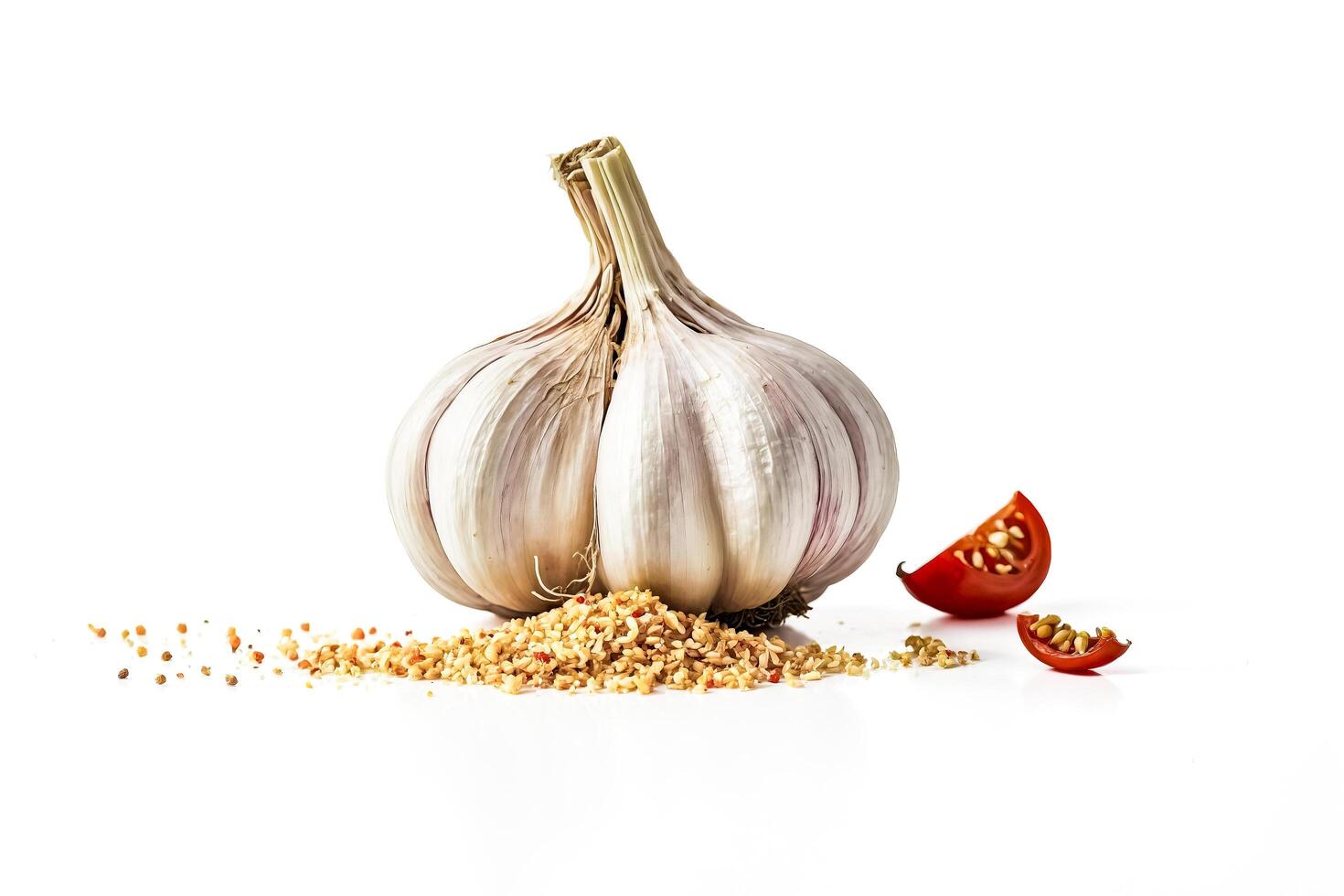
| Garlic Salt- A seasoning blend of finely ground dried garlic and salt, offering a savory and pungent flavor to dishes without gluten-containing ingredients. |
| Onion Salt- A mixture of dehydrated onion powder and salt, providing a convenient way to add onion flavor to meals while remaining gluten-free. |
| Herb Salt- A blend of various dried herbs (such as basil, thyme, and oregano) mixed with salt, offering a versatile and gluten-free seasoning option for many dishes. |
| Lemon Pepper- A combination of dried lemon zest and cracked black pepper, sometimes mixed with salt, providing a zesty and tangy flavor without gluten. |
| Seasoned Salt- A blend of salt and various herbs and spices (like paprika, garlic powder, and onion powder), creating a flavorful all-purpose seasoning that's typically gluten-free (always check the label to be sure). |
Health Information
? Frequently Asked Questions
4 questions1 Does celery salt have gluten?
2 What is celery salt made of?
3 Does celery have gluten?
4 Does celery powder have gluten?
Our Expert
Drs. Ilse van Asperen
Orthomolecular Therapist, Nutritional Coach & Professional Editor
Drs. Ilse van Asperen is a medical doctor specialising in orthomolecular therapy and nutritional coaching. With a background in public and clinical health research and management, she focuses on addressing the root causes of health issues through diet, gut health, and stress reduction. As a professional editor for Little Helpers, she reviews all gluten-free content to ensure accuracy, safety, and scientific credibility. Read more on Drs. Ilse van Asperen's own website
Our Sources
The information on this page is based on reputable health and nutrition organisations, ensuring accuracy and reliability for anyone following a gluten-free diet. For further details, see the sources below.