Is Challah Bread Gluten Free?

Is Challah Bread Gluten Free?

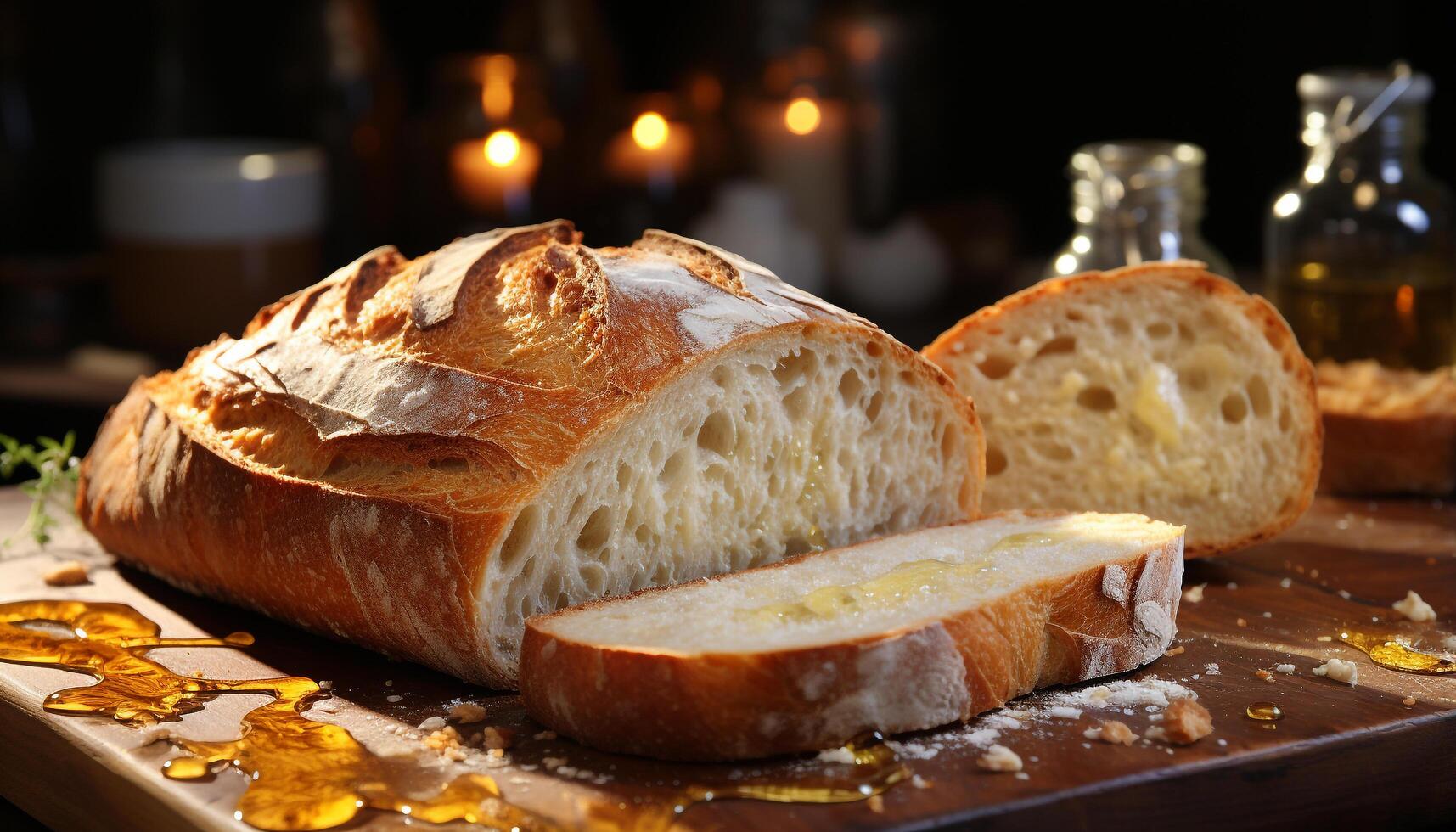
Challah bread is traditionally not gluten-free, as it is made with wheat flour which contains gluten. However, there are gluten-free versions of challah available, made with alternative flours like almond or rice flour, for those who need to avoid gluten in their diet.

TL;DR

Challah bread is traditionally not gluten-free, as it is made with wheat flour which contains gluten. However, there are gluten-free versions of challah available, made with alternative flours like almond or rice flour, for those who need to avoid gluten in their diet.

Quick Tips

1

Source of complex carbohydrates: Provides energy for the body

2

Contains some protein: Helps with muscle repair and growth

3

Provides dietary fiber: Aids in digestion and promotes feelings of fullness

# In This Article

3 sections

Quick navigation to each section of this article:

1 Benefits of Challah Bread

Source of complex carbohydrates: Provides energy for the body

Jump
2 Who should avoid Challah Bread

People with celiac disease or non-celiac gluten sensitivity, as challah is typically made with wheat flour containing gluten

Jump
3 Gluten Free Alternatives

Here are five gluten-free alternatives to Challah Bread, along with short descriptions for each:

Jump

Benefits of Challah Bread

Benefits of Challah Bread
Source of complex carbohydrates: Provides energy for the body
Contains some protein: Helps with muscle repair and growth
Provides dietary fiber: Aids in digestion and promotes feelings of fullness
Source of selenium: An antioxidant that supports thyroid function and immune system
Contains iron: Important for red blood cell production and oxygen transport
Provides some B vitamins: Essential for energy metabolism and nervous system function
Low in fat: Typically made with minimal oil or fat
Egg content adds some nutrients: Including vitamins A, D, E, and B12
Can be fortified: Some varieties may be enriched with additional vitamins and minerals
Potential probiotic benefits: If made with sourdough starter
Cultural and spiritual significance: Can contribute to mental and emotional well-being for those who observe Jewish traditionsIt’s important to note that these benefits are modest, and Challah should be consumed as part of a balanced diet. Whole grain versions of Challah would offer more nutritional benefits than those made with refined flour.

Who should avoid Challah Bread

Who should avoid Challah Bread
People with celiac disease or non-celiac gluten sensitivity, as challah is typically made with wheat flour containing gluten
Individuals with wheat allergies
Those following a low-carb or ketogenic diet, due to the high carbohydrate content of challah
People with diabetes who need to carefully monitor their carbohydrate intake
Individuals on a yeast-free diet, as challah usually contains yeast
Those following a vegan diet, as traditional challah recipes often include eggs
People with egg allergies, if the challah recipe includes eggs
Individuals on a low-sodium diet, as challah often contains salt
Those following a strict kosher diet during Passover, when leavened bread is not allowed
People with specific religious or cultural dietary restrictions that prohibit the consumption of bread or certain ingredients commonly found in challahIt’s important to note that some of these concerns can be addressed with alternative recipes or ingredient substitutions, allowing for modified versions of challah that may be suitable for some of these groups.
ENJOY YOUR FAVORITE FOODS FEARLESSLY!
Don’t let gluten hold you back. Take Anti-Gluten Pills before your meal and enjoy peace of mind.
SHOP ANTI-GLUTEN PILLS
Clinically proven · Up to 86% gluten reduction · Fast acting

Gluten Free Alternatives

Here are five gluten-free alternatives to Challah Bread, along with short descriptions for each:

Gluten Free Alternatives
Gluten-Free Challah:A specially formulated challah made with gluten-free flours such as rice flour, tapioca starch, and potato starch. It mimics the texture and flavor of traditional challah while being safe for those with gluten sensitivities.
Sweet Potato Bread:A moist, slightly sweet bread made with mashed sweet potatoes, gluten-free flour, and eggs. It offers a rich flavor and soft texture that can be reminiscent of challah's density.
Cornbread:A Southern staple made from cornmeal, which is naturally gluten-free. While not braided like challah, it can provide a similar hearty texture and can be sweetened to mimic challah's taste.
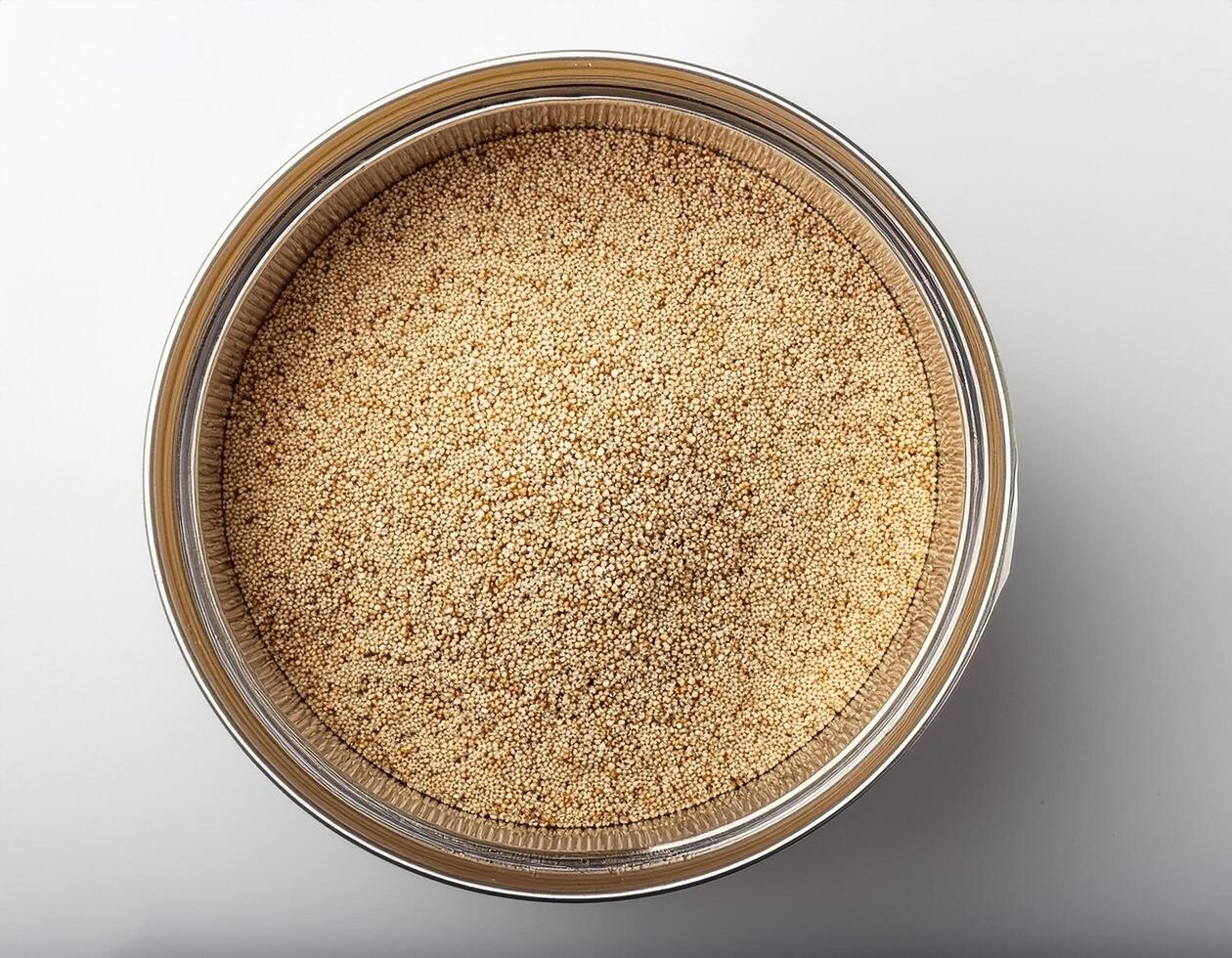
Quinoa Bread:Made with quinoa flour, this bread is high in protein and offers a nutty flavor. It can be shaped into a loaf similar to challah and provides a nutritious, gluten-free alternative.
Almond Flour Bread:A low-carb, gluten-free option made primarily with almond flour. It has a slightly sweet taste and dense texture that can be satisfying as a challah substitute, especially when lightly toasted.

Health Information

? Frequently Asked Questions

4 questions
1 What bread is naturally gluten-free?
Rice bread is naturally gluten-free. Corn bread made with 100% cornmeal is also gluten-free. Bread made from almond flour or coconut flour contains no gluten. Breads made from other gluten-free grains like millet, sorghum, or teff are also naturally free of gluten.
2 What is challah bread made of?
Challah bread is typically made from wheat flour, water, yeast, salt, eggs, and sometimes sugar. It often includes additional ingredients like oil or honey for flavor and texture. The dough is usually enriched with extra eggs, which give it a rich, golden color and tender crumb. Challah is traditionally braided before baking, resulting in its distinctive appearance.
3 What's the difference between challah bread and regular bread?
Challah is a traditional Jewish bread with a distinctive braided appearance. Unlike regular bread, challah is enriched with eggs and often sweetened slightly with honey or sugar. It typically has a softer, fluffier texture and a richer flavor compared to standard bread. Challah is also often used for ceremonial purposes in Jewish cuisine, particularly on Shabbat and holidays.
4 Are yeast breads gluten-free?
Yeast breads are typically not gluten-free. Gluten is a protein found in wheat, barley, and rye, which are common ingredients in traditional yeast breads. The gluten in these grains is what gives bread its characteristic texture and structure. However, there are gluten-free yeast bread alternatives made with non-gluten flours and other ingredients.
LIVE GLUTEN-FREE WITHOUT THE FUSS!
Introducing Tolerase® G, clinically proven to reduce up to 86% of gluten in under 10 minutes. Experience the freedom to eat what you love.
SHOP ANTI-GLUTEN PILLS
150mg pure Tolerase® G · Reduces gluten by 86% · Under 10 minutes

Our Expert

Drs. Ilse van Asperen, Orthomolecular Therapist and Nutritional Coach

Drs. Ilse van Asperen

Orthomolecular Therapist, Nutritional Coach & Professional Editor

Drs. Ilse van Asperen is a medical doctor specialising in orthomolecular therapy and nutritional coaching. With a background in public and clinical health research and management, she focuses on addressing the root causes of health issues through diet, gut health, and stress reduction. As a professional editor for Little Helpers, she reviews all gluten-free content to ensure accuracy, safety, and scientific credibility. Read more on Drs. Ilse van Asperen's own website

Our Sources

The information on this page is based on reputable health and nutrition organisations, ensuring accuracy and reliability for anyone following a gluten-free diet. For further details, see the sources below.
Sources

Similar Articles

Back to blog