Share
TL;DR
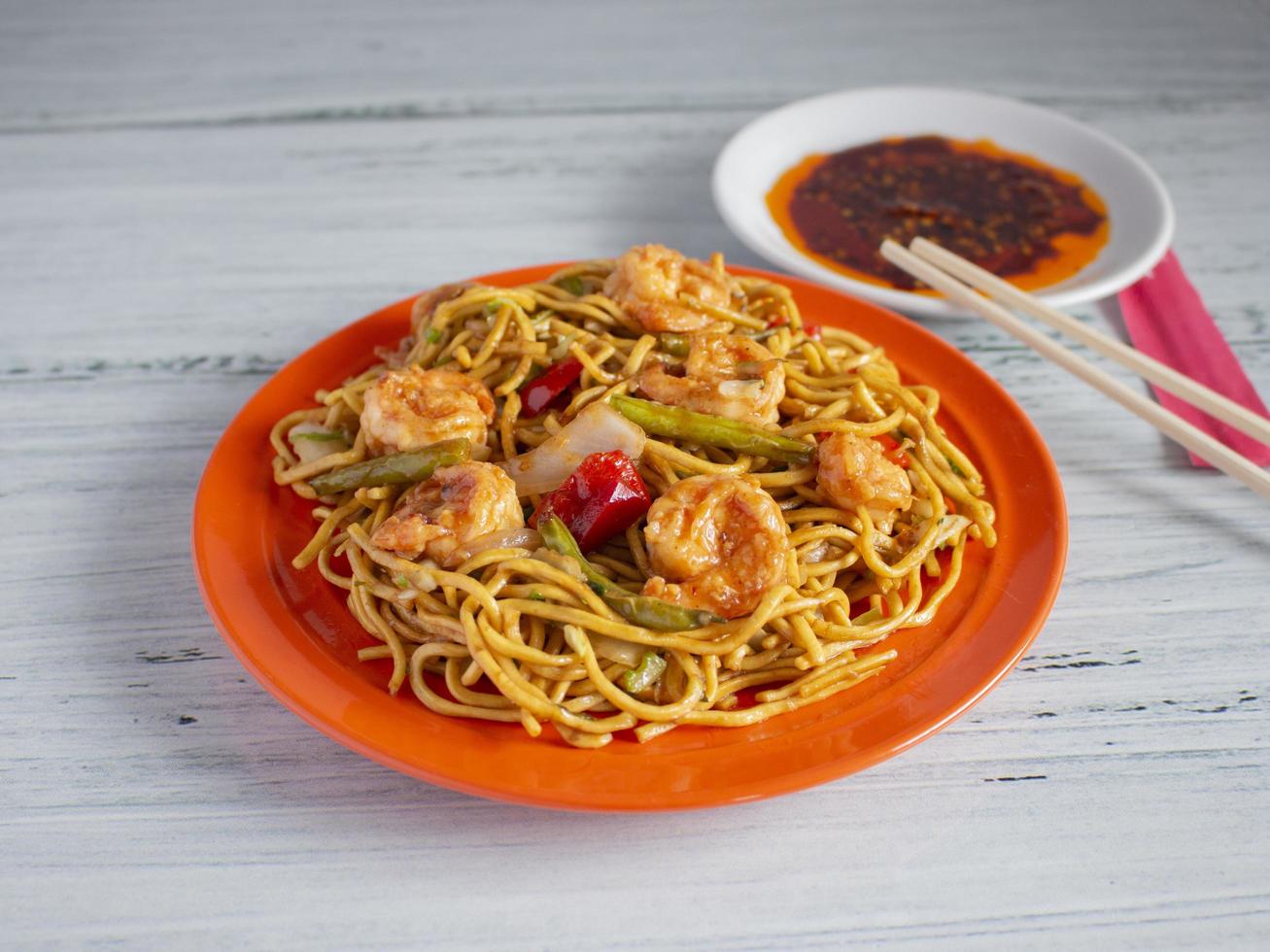
Chow fun is typically gluten-free as it’s made with wide rice noodles, which do not contain gluten. However, it’s important to be cautious about the sauce and other ingredients used in the dish, as some soy sauces or added flavorings may contain gluten.
Quick Tips
1Low in fat: When prepared with lean meats and minimal oil, Chow Fun can be a relatively low-fat meal option.
2Good source of carbohydrates: The rice noodles provide energy-giving carbohydrates.
3Protein content: The dish often includes meat or tofu, providing essential proteins for muscle growth and repair.
# In This Article
3 sectionsQuick navigation to each section of this article:
1 Benefits of Chow Fun
Low in fat: When prepared with lean meats and minimal oil, Chow Fun can be a relatively low-fat meal option.
Jump2 Who should avoid Chow Fun
People with celiac disease or gluten sensitivity: Chow Fun noodles are typically made from rice, which is gluten-free, but soy sauce used in the dish often contains gluten.
Jump3 Gluten Free Alternatives
Here are five gluten-free alternatives to Chow Fun, along with short descriptions:
JumpBenefits of Chow Fun
| Benefits of Chow Fun |
|---|
| Low in fat: When prepared with lean meats and minimal oil, Chow Fun can be a relatively low-fat meal option. |
| Good source of carbohydrates: The rice noodles provide energy-giving carbohydrates. |
| Protein content: The dish often includes meat or tofu, providing essential proteins for muscle growth and repair. |
| Vegetable intake: Typically includes vegetables like bean sprouts, which add fiber, vitamins, and minerals. |
| Gluten-free option: For those with gluten sensitivities, rice noodles are a gluten-free alternative to wheat-based pastas. |
| Selenium source: Rice noodles contain selenium, an important antioxidant. |
| Manganese content: Rice noodles provide manganese, which is essential for bone health and wound healing. |
| Low in sodium: If prepared at home with controlled salt usage, it can be lower in sodium than many restaurant versions. |
| Versatile for dietary needs: Can be easily modified to include more vegetables or lean proteins to suit various dietary requirements. |
| Balanced meal: When prepared with a mix of carbohydrates, proteins, and vegetables, it can provide a balanced meal.Remember, the healthiness of Chow Fun largely depends on the ingredients used and cooking method. Homemade versions allow for better control over nutritional content. |
Who should avoid Chow Fun
| Who should avoid Chow Fun |
|---|
| People with celiac disease or gluten sensitivity: Chow Fun noodles are typically made from rice, which is gluten-free, but soy sauce used in the dish often contains gluten. |
| Individuals with soy allergies: Soy sauce is a key ingredient in Chow Fun, and those with soy allergies should avoid it. |
| People on low-sodium diets: Chow Fun can be high in sodium due to the soy sauce and other seasonings used. |
| Individuals with MSG sensitivity: Some restaurants may use MSG in their Chow Fun preparation, which can cause adverse reactions in sensitive individuals. |
| Those with shellfish allergies: If the Chow Fun contains shrimp or other shellfish, it should be avoided by people with shellfish allergies. |
| Individuals on low-fat diets: Chow Fun is often stir-fried in oil, which can make it high in fat content. |
| People with diabetes: The noodles in Chow Fun are high in carbohydrates, which can affect blood sugar levels. |
| Those with specific vegetable allergies: Chow Fun often contains various vegetables, so individuals with specific vegetable allergies should be cautious. |
| People avoiding alcohol: Some recipes for Chow Fun include rice wine or other alcoholic ingredients. |
| Individuals on a low-calorie diet: Chow Fun can be calorie-dense, especially in restaurant portions.Remember, many of these concerns can be addressed by preparing Chow Fun at home with modifications to suit individual dietary needs. |
Gluten Free Alternatives
Here are five gluten-free alternatives to Chow Fun, along with short descriptions:
| Gluten Free Alternatives |
|---|
| Rice Noodles: Thin, translucent noodles made from rice flour and water. They're light, tender, and perfect for stir-fries or soups, providing a similar texture to wheat-based noodles. |
| Shirataki Noodles: Made from the konjac yam, these low-calorie, low-carb noodles have a slightly chewy texture. They're virtually tasteless and absorb the flavors of the dishes they're used in. |
| Kelp Noodles: These clear noodles are made from seaweed and have a crunchy texture when raw, softening when cooked. They're low in calories and rich in minerals, offering a unique alternative in salads or stir-fries. |
| Sweet Potato Glass Noodles: Also known as Korean vermicelli, these noodles are made from sweet potato starch. They have a slightly chewy texture and are excellent in both hot and cold dishes. |
| Soba Noodles (100% Buckwheat): While some soba noodles contain wheat, 100% buckwheat soba noodles are gluten-free. They have a nutty flavor and firm texture, making them great for both hot and cold dishes. |
Health Information
? Frequently Asked Questions
4 questions1 Is Chinese Chow Fun gluten-free?
2 What Chinese dishes are usually gluten-free?
3 Is chow fun
4 Rice or wheat?
Our Expert
Drs. Ilse van Asperen
Orthomolecular Therapist, Nutritional Coach & Professional Editor
Drs. Ilse van Asperen is a medical doctor specialising in orthomolecular therapy and nutritional coaching. With a background in public and clinical health research and management, she focuses on addressing the root causes of health issues through diet, gut health, and stress reduction. As a professional editor for Little Helpers, she reviews all gluten-free content to ensure accuracy, safety, and scientific credibility. Read more on Drs. Ilse van Asperen's own website
Our Sources
The information on this page is based on reputable health and nutrition organisations, ensuring accuracy and reliability for anyone following a gluten-free diet. For further details, see the sources below.