Is Coconut Shrimp Gluten Free?

Is Coconut Shrimp Gluten Free?

Coconut shrimp is not inherently gluten-free, as traditional recipes often use wheat flour in the breading process. However, it is possible to make gluten-free coconut shrimp by using alternative flours like rice flour or almond flour, and ensuring all other ingredients used are also gluten-free.

TL;DR

Coconut shrimp is not inherently gluten-free, as traditional recipes often use wheat flour in the breading process. However, it is possible to make gluten-free coconut shrimp by using alternative flours like rice flour or almond flour, and ensuring all other ingredients used are also gluten-free.

Quick Tips

1

Good source of protein: Shrimp is a lean protein source, essential for muscle growth and repair.

2

Rich in omega-3 fatty acids: These beneficial fats can support heart and brain health.

3

Contains minerals: Shrimp provides minerals like selenium, zinc, and iodine.

# In This Article

3 sections

Quick navigation to each section of this article:

1 Benefits of Coconut Shrimp

Good source of protein: Shrimp is a lean protein source, essential for muscle growth and repair.

Jump
2 Who should avoid Coconut Shrimp

People with shellfish allergies: Shrimp is a common shellfish allergen and can cause severe allergic reactions.

Jump
3 Gluten Free Alternatives

Here are five gluten-free alternatives to Coconut Shrimp, along with short descriptions:

Jump

Benefits of Coconut Shrimp

Benefits of Coconut Shrimp
Good source of protein: Shrimp is a lean protein source, essential for muscle growth and repair.
Rich in omega-3 fatty acids: These beneficial fats can support heart and brain health.
Contains minerals: Shrimp provides minerals like selenium, zinc, and iodine.
Low in calories: When prepared properly, coconut shrimp can be a relatively low-calorie option.
Source of antioxidants: Coconut contains antioxidants that may help protect cells from damage.
Provides medium-chain triglycerides (MCTs): Coconut oil contains MCTs, which are easily digestible fats that may boost metabolism.
Contains vitamin B12: Shrimp is a good source of vitamin B12, important for nerve function and red blood cell formation.
Offers manganese: Coconut is rich in manganese, which supports bone health and wound healing.
Provides iron: Shrimp contains iron, which is essential for oxygen transport in the body.
May support thyroid function: The iodine in shrimp can help maintain healthy thyroid function.Remember that the health benefits can vary based on preparation methods, and excessive consumption of fried foods may negate some of these benefits.

Who should avoid Coconut Shrimp

Who should avoid Coconut Shrimp
People with shellfish allergies: Shrimp is a common shellfish allergen and can cause severe allergic reactions.
Individuals with coconut allergies: Though less common, some people are allergic to coconut.
Those with high cholesterol: Shrimp is high in cholesterol, which may be a concern for some individuals.
People on a low-fat diet: Coconut shrimp is often deep-fried, making it high in fat.
Individuals with seafood sensitivities or intolerances: Some people may experience digestive issues after consuming shrimp.
Those following a kosher or halal diet: Shrimp is not considered kosher or halal.
Vegans and vegetarians: This dish contains animal products.
People with a history of gout: Shrimp is high in purines, which can trigger gout attacks in susceptible individuals.
Those on a low-sodium diet: Shrimp and many coconut shrimp recipes can be high in sodium.
Individuals with certain gastrointestinal conditions: The high-fat content may aggravate symptoms for some people with conditions like IBS or gallbladder issues.
Pregnant women: While cooked shrimp is generally safe, pregnant women should ensure it’s fully cooked and from a reliable source to avoid foodborne illnesses.Always consult with a healthcare professional if you have specific dietary concerns or health conditions.
ENJOY YOUR FAVORITE FOODS FEARLESSLY!
Don’t let gluten hold you back. Take Anti-Gluten Pills before your meal and enjoy peace of mind.
SHOP ANTI-GLUTEN PILLS
Clinically proven · Up to 86% gluten reduction · Fast acting

Gluten Free Alternatives

Here are five gluten-free alternatives to Coconut Shrimp, along with short descriptions:

Gluten Free Alternatives
Grilled Lemon Herb Shrimp: Succulent shrimp marinated in a blend of lemon juice, olive oil, and fresh herbs, then grilled to perfection. This light and flavorful option provides a healthy, gluten-free alternative with a zesty kick.
Shrimp Skewers with Pineapple: Alternating chunks of juicy pineapple and plump shrimp on skewers, grilled or broiled for a sweet and savory combination. This tropical-inspired dish offers a similar flavor profile to coconut shrimp without the gluten.
Almond-Crusted Shrimp: Shrimp coated in finely ground almonds and gluten-free seasonings, then baked or air-fried for a crispy exterior. This option provides a nutty flavor and satisfying crunch similar to coconut shrimp.
Cajun Blackened Shrimp: Shrimp seasoned with a spicy Cajun blend and quickly seared in a hot skillet for a flavorful, crispy exterior. This gluten-free alternative offers a bolder, more intense flavor profile for those who enjoy some heat.
Garlic Butter Shrimp: Tender shrimp sautéed in a rich garlic butter sauce, often with a splash of white wine or lemon juice. This classic preparation is naturally gluten-free and provides a luxurious, indulgent alternative to coconut shrimp.

Health Information

? Frequently Asked Questions

4 questions
1 Does coconut shrimp contain gluten?
Coconut shrimp typically contains gluten. The breading used to coat the shrimp often includes wheat flour, which contains gluten. However, it is possible to make gluten-free coconut shrimp by using alternative flours or breadcrumbs. If you have celiac disease or gluten sensitivity, it's best to check the ingredients or ask about preparation methods when ordering coconut shrimp at a restaurant.
2 What is coconut shrimp made of?
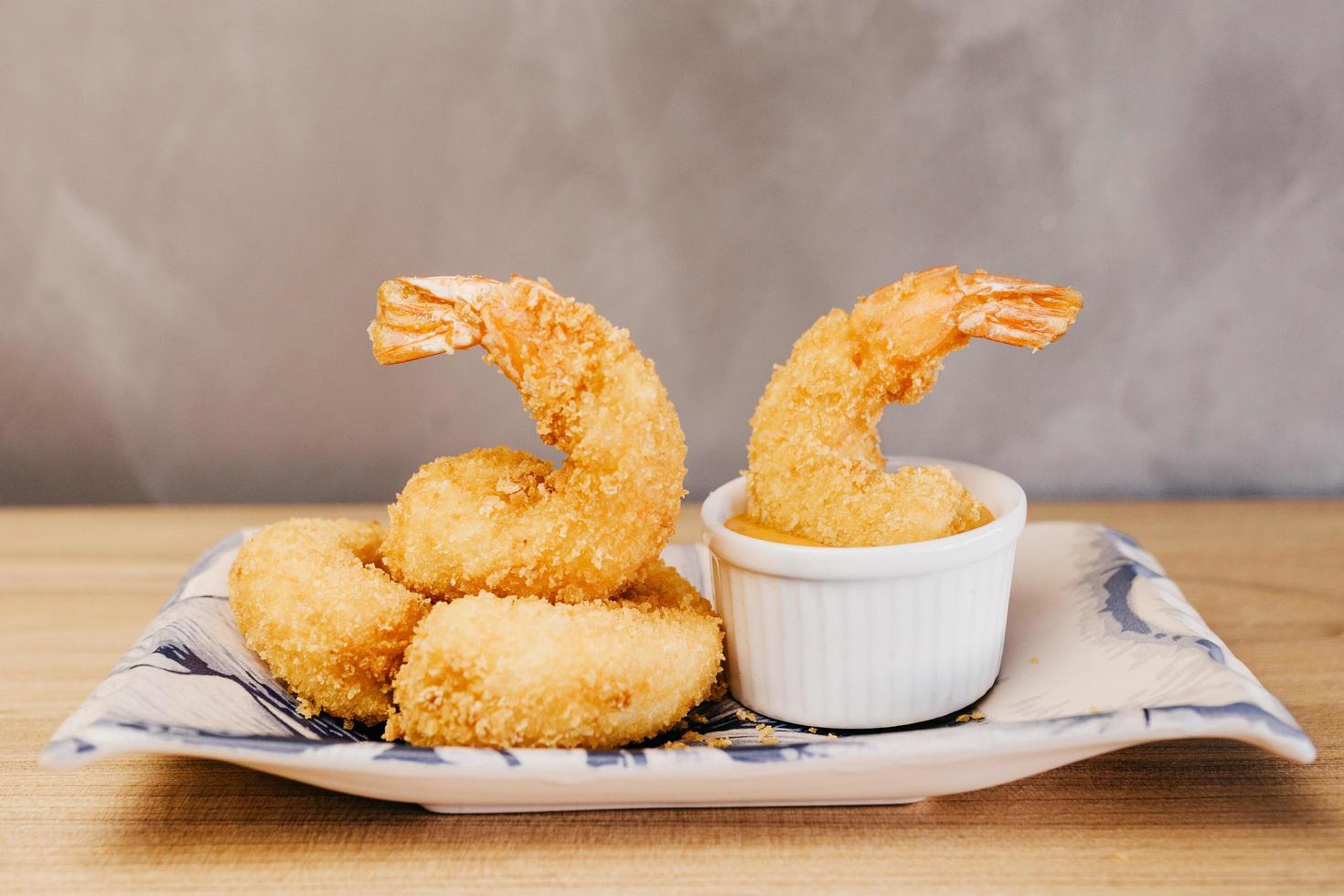
Coconut shrimp is typically made with large shrimp or prawns as the main ingredient. The shrimp are coated in a mixture of shredded coconut and breadcrumbs. They are usually dipped in beaten egg or a batter before being coated to help the coconut mixture adhere. The coated shrimp are then deep-fried until golden brown and crispy.
3 Is coconut real gluten-free?
Yes, coconut is naturally gluten-free. It does not contain any of the proteins found in wheat, barley, or rye that trigger gluten sensitivities. Coconut and coconut-derived products are safe for those with celiac disease or gluten intolerance to consume. However, it's always important to check labels on processed coconut products to ensure no gluten-containing ingredients have been added during manufacturing.
4 Are shrimp gluten-free?
Yes, shrimp are naturally gluten-free. Shrimp are a type of seafood and do not contain any gluten proteins. However, it's important to be cautious about how shrimp are prepared or processed. Some breaded or seasoned shrimp products may contain gluten, so always check labels or ask about preparation methods when dining out.
LIVE GLUTEN-FREE WITHOUT THE FUSS!
Introducing Tolerase® G, clinically proven to reduce up to 86% of gluten in under 10 minutes. Experience the freedom to eat what you love.
SHOP ANTI-GLUTEN PILLS
150mg pure Tolerase® G · Reduces gluten by 86% · Under 10 minutes

Our Expert

Drs. Ilse van Asperen, Orthomolecular Therapist and Nutritional Coach

Drs. Ilse van Asperen

Orthomolecular Therapist, Nutritional Coach & Professional Editor

Drs. Ilse van Asperen is a medical doctor specialising in orthomolecular therapy and nutritional coaching. With a background in public and clinical health research and management, she focuses on addressing the root causes of health issues through diet, gut health, and stress reduction. As a professional editor for Little Helpers, she reviews all gluten-free content to ensure accuracy, safety, and scientific credibility. Read more on Drs. Ilse van Asperen's own website

Our Sources

The information on this page is based on reputable health and nutrition organisations, ensuring accuracy and reliability for anyone following a gluten-free diet. For further details, see the sources below.
Sources

Similar Articles

Back to blog