Is Coffee Gluten Free?

Is Coffee Gluten Free?

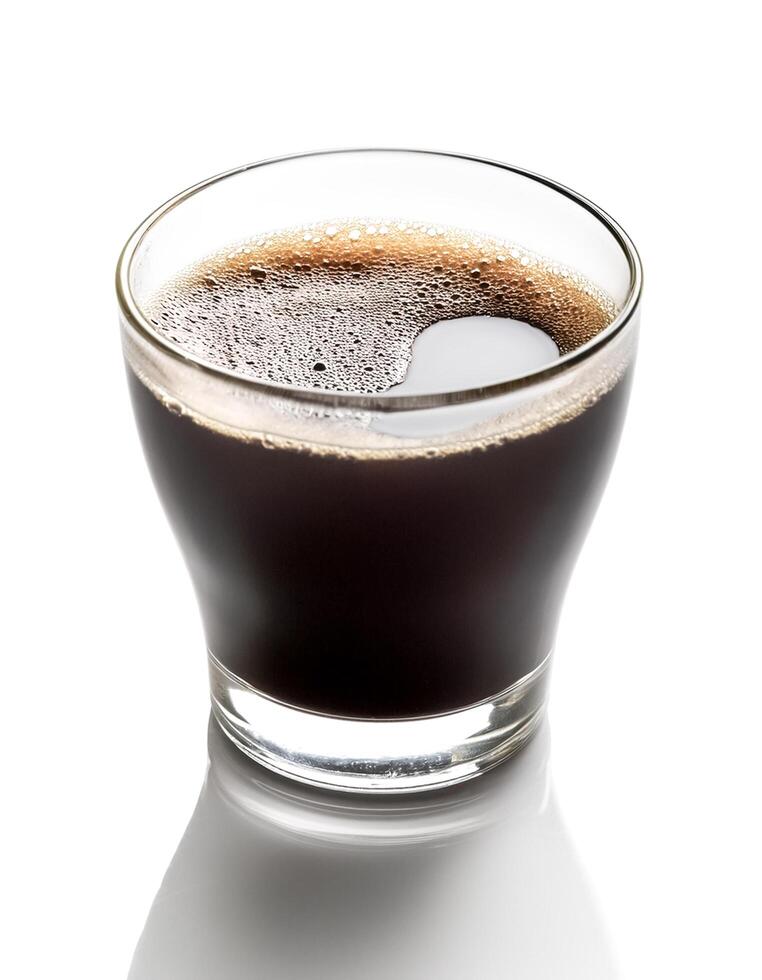
Yes, coffee is naturally gluten-free. Pure, plain coffee beans do not contain gluten, making coffee a safe beverage choice for people with celiac disease or gluten sensitivity.

TL;DR

Yes, coffee is naturally gluten-free. Pure, plain coffee beans do not contain gluten, making coffee a safe beverage choice for people with celiac disease or gluten sensitivity.

Quick Tips

1

Boosts energy and alertness

2

Improves cognitive function and mental performance

3

Contains antioxidants that may protect against cell damage

# In This Article

3 sections

Quick navigation to each section of this article:

1 Benefits of Coffee

Boosts energy and alertness

Jump
2 Who should avoid Coffee

Pregnant women: High caffeine intake may increase the risk of miscarriage and low birth weight.

Jump
3 Related Gluten Free Products

Here are five gluten-free options similar to coffee:

Jump

Benefits of Coffee

Benefits of Coffee
Boosts energy and alertness
Improves cognitive function and mental performance
Contains antioxidants that may protect against cell damage
May lower the risk of type 2 diabetes
Potentially reduces the risk of Parkinson’s disease
May protect against Alzheimer’s disease and dementia
Can enhance physical performance and endurance
May support weight management and fat burning
Associated with a lower risk of depression
Potentially lowers the risk of certain types of cancer
May protect against liver diseases, including cirrhosis
Can increase longevity and lower the risk of premature death
Provides essential nutrients like riboflavin, pantothenic acid, and manganese
May reduce the risk of stroke
Can improve gut health and support beneficial gut bacteria
Potentially lowers the risk of heart disease
May enhance mood and well-beingRemember that while coffee has many potential benefits, individual responses can vary, and excessive consumption may lead to negative side effects. It’s always best to consume coffee in moderation as part of a balanced diet.

Who should avoid Coffee

Who should avoid Coffee
Pregnant women: High caffeine intake may increase the risk of miscarriage and low birth weight.
Breastfeeding mothers: Caffeine can pass through breast milk and affect the baby’s sleep patterns.
People with anxiety disorders: Caffeine can exacerbate anxiety symptoms.
Individuals with sleep disorders: Coffee can interfere with sleep quality and patterns.
Those with high blood pressure: Caffeine can cause short-term spikes in blood pressure.
People with certain heart conditions: Caffeine can increase heart rate and palpitations.
Individuals with gastroesophageal reflux disease (GERD): Coffee can worsen symptoms.
Those with irritable bowel syndrome (IBS): Coffee may trigger or worsen symptoms.
People taking certain medications: Coffee can interact with some drugs, including antibiotics and antidepressants.
Children and adolescents: Their developing bodies may be more sensitive to caffeine’s effects.
Those with caffeine sensitivity: Some people experience stronger reactions to caffeine.
Individuals with iron deficiency: Coffee can interfere with iron absorption.
People with glaucoma: Caffeine can increase eye pressure.Always consult with a healthcare professional for personalized advice regarding coffee consumption.
ENJOY YOUR FAVORITE FOODS FEARLESSLY!
Don’t let gluten hold you back. Take Anti-Gluten Pills before your meal and enjoy peace of mind.
SHOP ANTI-GLUTEN PILLS
Clinically proven · Up to 86% gluten reduction · Fast acting

Here are five gluten-free options similar to coffee:

Related Gluten Free Products
Chicory Root: A caffeine-free coffee alternative made from roasted chicory root. It has a rich, slightly bitter taste similar to coffee and contains inulin, a prebiotic fiber.
Dandelion Root Tea: A caffeine-free beverage made from roasted dandelion roots. It has a robust, earthy flavor and is known for its potential liver-supporting properties.
Yerba Mate: A caffeinated drink made from the leaves of the South American holly tree. It offers a balanced energy boost and contains antioxidants and nutrients.
Roasted Carob: A caffeine-free powder made from carob pods. It has a naturally sweet, chocolate-like flavor and is rich in fiber and antioxidants.
Mushroom Coffee: A blend of regular coffee and medicinal mushroom extracts (e.g., lion's mane, chaga). It provides the familiar coffee taste with added potential health benefits and reduced caffeine content.While these options are naturally gluten-free, it is advisable to read the brand packaging to make sure it is gluten-free.

Health Information

? Frequently Asked Questions

2 questions
1 Does Starbucks coffee have gluten?
Starbucks coffee itself does not contain gluten. However, some of Starbucks' flavored syrups and toppings may contain gluten or be at risk of cross-contamination. It's important for those with gluten sensitivities or celiac disease to check the ingredients of specific drinks or ask a barista for information. Plain brewed coffee, espresso, and most tea varieties at Starbucks are generally considered gluten-free.
2 Does coffee creamer have gluten?
Most coffee creamers do not contain gluten. Gluten is primarily found in wheat, barley, and rye, which are not typical ingredients in coffee creamers. However, some flavored creamers may contain gluten-derived additives or flavorings. It's always best to check the ingredient list or look for "gluten-free" labeling if you have gluten sensitivities.
LIVE GLUTEN-FREE WITHOUT THE FUSS!
Introducing Tolerase® G, clinically proven to reduce up to 86% of gluten in under 10 minutes. Experience the freedom to eat what you love.
SHOP ANTI-GLUTEN PILLS
150mg pure Tolerase® G · Reduces gluten by 86% · Under 10 minutes

Our Expert

Drs. Ilse van Asperen, Orthomolecular Therapist and Nutritional Coach

Drs. Ilse van Asperen

Orthomolecular Therapist, Nutritional Coach & Professional Editor

Drs. Ilse van Asperen is a medical doctor specialising in orthomolecular therapy and nutritional coaching. With a background in public and clinical health research and management, she focuses on addressing the root causes of health issues through diet, gut health, and stress reduction. As a professional editor for Little Helpers, she reviews all gluten-free content to ensure accuracy, safety, and scientific credibility. Read more on Drs. Ilse van Asperen's own website

Our Sources

The information on this page is based on reputable health and nutrition organisations, ensuring accuracy and reliability for anyone following a gluten-free diet. For further details, see the sources below.


Sources

Similar Articles

Back to blog