Is Cow Milk Gluten Free?

Is Cow Milk Gluten Free?

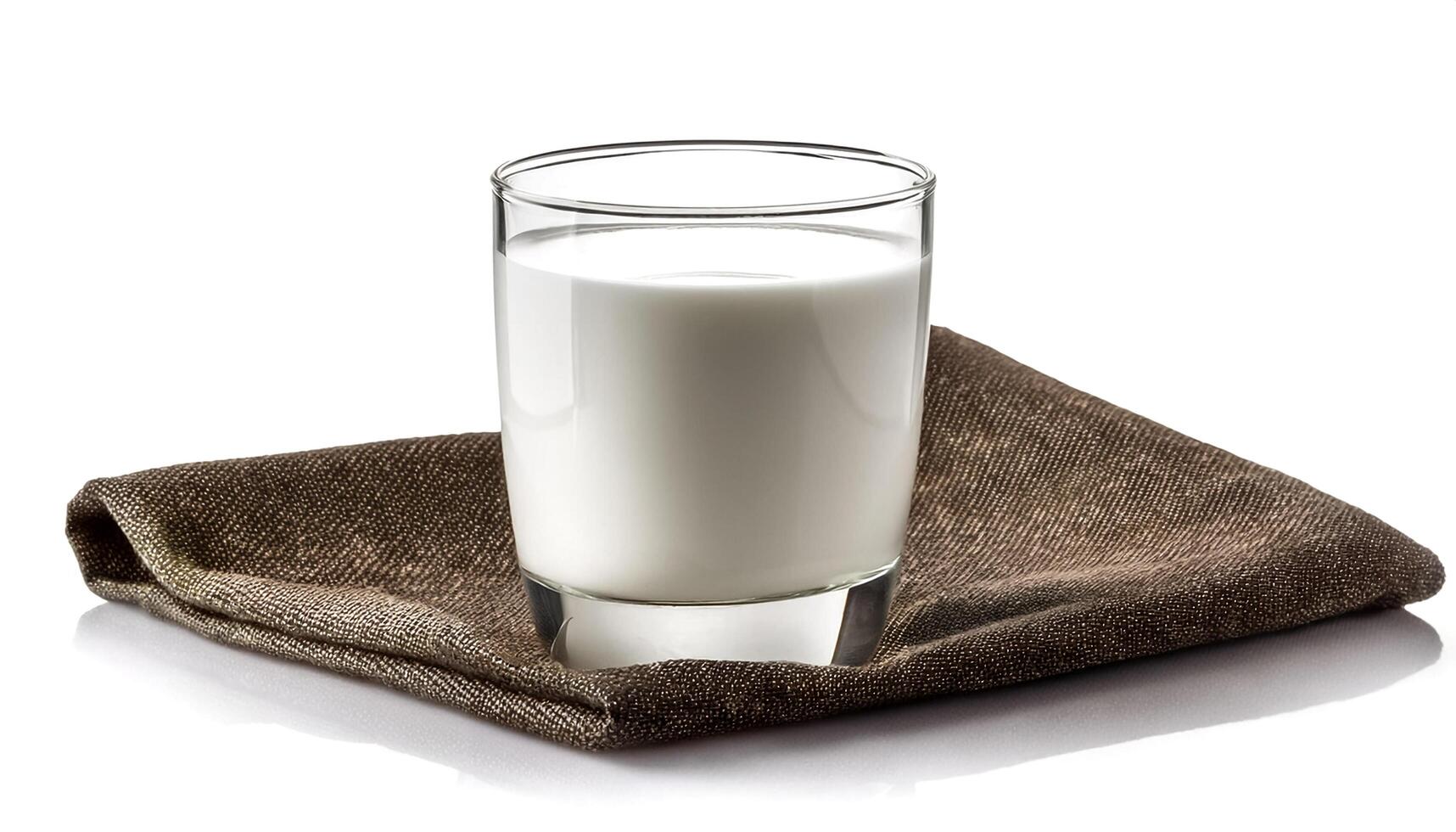
Cow’s milk is naturally gluten-free as it does not contain any wheat, barley, rye, or their derivatives. However, some flavored or processed milk products may contain added ingredients that include gluten, so it’s always important to check the label if you have gluten sensitivities or celiac disease.

TL;DR

Cow’s milk is naturally gluten-free as it does not contain any wheat, barley, rye, or their derivatives. However, some flavored or processed milk products may contain added ingredients that include gluten, so it’s always important to check the label if you have gluten sensitivities or celiac disease.

Quick Tips

1

Excellent source of calcium for strong bones and teeth

2

Rich in high-quality protein for muscle growth and repair

3

Contains vitamin D, which aids calcium absorption and bone health

# In This Article

3 sections

Quick navigation to each section of this article:

1 Benefits of Cow Milk

Excellent source of calcium for strong bones and teeth

Jump
2 Who should avoid Cow Milk

People with lactose intolerance

Jump
3 Related Gluten Free Products

Here are five gluten-free options similar to cow's milk, along with short descriptions:

Jump

Benefits of Cow Milk

Benefits of Cow Milk
Excellent source of calcium for strong bones and teeth
Rich in high-quality protein for muscle growth and repair
Contains vitamin D, which aids calcium absorption and bone health
Provides vitamin B12, essential for red blood cell formation and neurological function
Good source of potassium, which helps regulate blood pressure
Contains phosphorus, important for bone health and energy metabolism
Offers riboflavin (vitamin B2) for energy production and cellular function
Provides iodine, crucial for thyroid function and metabolism
Contains vitamin A, important for eye health and immune function
Offers zinc, which supports immune function and wound healing
Contains selenium, an antioxidant that supports thyroid function
May help reduce the risk of osteoporosis due to its calcium content
Can contribute to maintaining a healthy weight when consumed as part of a balanced diet
Provides conjugated linoleic acid (CLA), which may have anti-cancer properties
Contains lactoferrin, which has antimicrobial and anti-inflammatory properties
May help reduce the risk of type 2 diabetes in some populations
Provides hydration due to its high water contentRemember that the benefits of cow milk can vary depending on factors such as processing methods and whether it’s whole, low-fat, or skim milk. Additionally, some people may be lactose intolerant or have milk allergies, in which case they should seek alternatives or consult with a healthcare professional.

Who should avoid Cow Milk

Who should avoid Cow Milk
People with lactose intolerance
Those with a milk allergy
Individuals with casein sensitivity
People following a vegan diet
Those with certain gastrointestinal conditions like inflammatory bowel disease (IBD)
Individuals with acne-prone skin (as dairy may exacerbate acne for some)
People with certain autoimmune conditions (e.g., some forms of arthritis)
Those trying to reduce their saturated fat intake
Individuals with certain types of hormonal imbalances
People with specific ethical or environmental concerns about dairy production
Those following certain religious dietary restrictions
Individuals with a family history of prostate cancer (some studies suggest a potential link)
People with certain types of anemia (cow’s milk can interfere with iron absorption)
Infants under 12 months old (breast milk or formula is recommended)
Those who experience frequent sinus congestion or respiratory issues that worsen with dairy consumptionRemember, it’s always best to consult with a healthcare professional or registered dietitian before making significant changes to your diet.
ENJOY YOUR FAVORITE FOODS FEARLESSLY!
Don’t let gluten hold you back. Take Anti-Gluten Pills before your meal and enjoy peace of mind.
SHOP ANTI-GLUTEN PILLS
Clinically proven · Up to 86% gluten reduction · Fast acting

Here are five gluten-free options similar to cow's milk, along with short descriptions:

Related Gluten Free Products
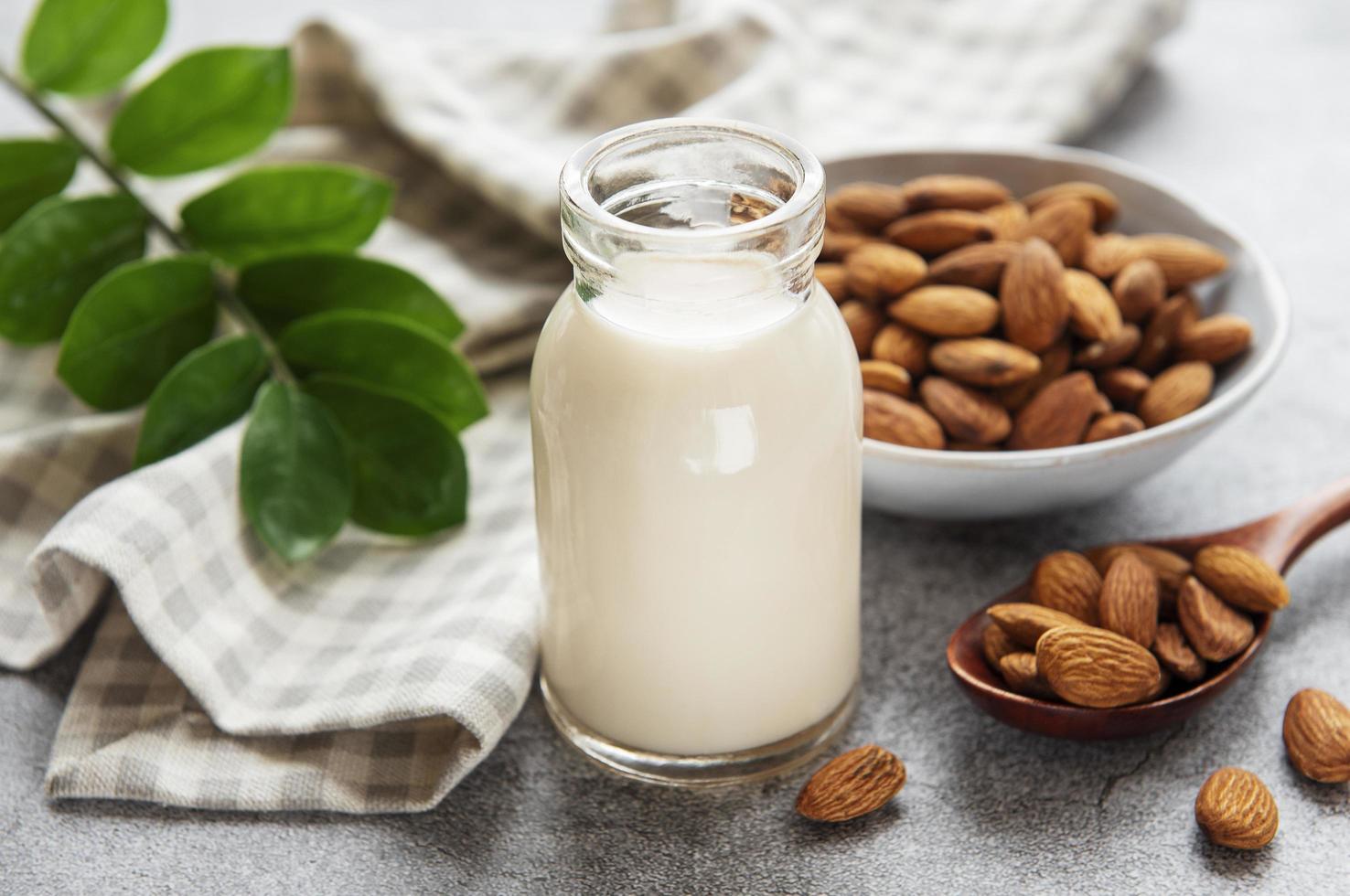
Almond Milk- Made from ground almonds and water- Naturally lactose-free and low in calories- Rich in vitamin E and often fortified with calcium and vitamin D
Soy Milk- Produced from soybeans and water- High in protein and often fortified with vitamins and minerals- Creamy texture makes it a good substitute in cooking and baking
Coconut Milk- Extracted from the flesh of mature coconuts- Rich, creamy texture with a distinct coconut flavor- High in healthy fats and often fortified with vitamins B12 and D
Oat Milk- Made from whole oats and water- Naturally sweet and creamy with a mild oat flavor- High in fiber and often fortified with calcium and vitamins- Ensure it's certified gluten-free, as some brands may contain traces of gluten
Rice Milk- Produced from milled rice and water- Naturally sweet with a thin, watery consistency- Least likely to trigger allergies among plant-based milks- Often fortified with calcium and vitamins A, D, and B12

Health Information

? Frequently Asked Questions

4 questions
1 What milks are gluten-free?
All natural milk from animals, such as cow's milk, goat's milk, and sheep's milk, is naturally gluten-free. Plant-based milk alternatives like almond milk, coconut milk, and rice milk are also typically gluten-free. However, some flavored or fortified milk products may contain gluten-containing additives, so it's important to check labels. Oat milk can be gluten-free, but only if it's made from certified gluten-free oats and processed in a gluten-free facility.
2 What dairy products are not gluten-free?
Most dairy products are naturally gluten-free. However, some flavored milk products, yogurts, and cheese spreads may contain gluten as an additive or thickening agent. Malted milk drinks and certain ice creams can also contain gluten ingredients. It's important to check labels carefully, especially for processed dairy products, to ensure they are gluten-free.
3 Does 2% milk have gluten?
No, 2% milk does not contain gluten. Milk is naturally gluten-free, as it comes from animals and not from gluten-containing grains. Gluten is a protein found in wheat, barley, and rye, but not in dairy products. Unless flavored or modified with gluten-containing additives, all types of plain milk (whole, 2%, 1%, and skim) are gluten-free.
4 Are cows gluten-free?
Cows themselves are naturally gluten-free animals. The meat from cows, including beef and veal, does not contain gluten. However, some processed beef products may contain gluten additives. It's always best to check labels on processed meats if you have gluten sensitivities or celiac disease.
LIVE GLUTEN-FREE WITHOUT THE FUSS!
Introducing Tolerase® G, clinically proven to reduce up to 86% of gluten in under 10 minutes. Experience the freedom to eat what you love.
SHOP ANTI-GLUTEN PILLS
150mg pure Tolerase® G · Reduces gluten by 86% · Under 10 minutes

Our Expert

Drs. Ilse van Asperen, Orthomolecular Therapist and Nutritional Coach

Drs. Ilse van Asperen

Orthomolecular Therapist, Nutritional Coach & Professional Editor

Drs. Ilse van Asperen is a medical doctor specialising in orthomolecular therapy and nutritional coaching. With a background in public and clinical health research and management, she focuses on addressing the root causes of health issues through diet, gut health, and stress reduction. As a professional editor for Little Helpers, she reviews all gluten-free content to ensure accuracy, safety, and scientific credibility. Read more on Drs. Ilse van Asperen's own website

Our Sources

The information on this page is based on reputable health and nutrition organisations, ensuring accuracy and reliability for anyone following a gluten-free diet. For further details, see the sources below.
Sources

Similar Articles

Back to blog