Share
TL;DR
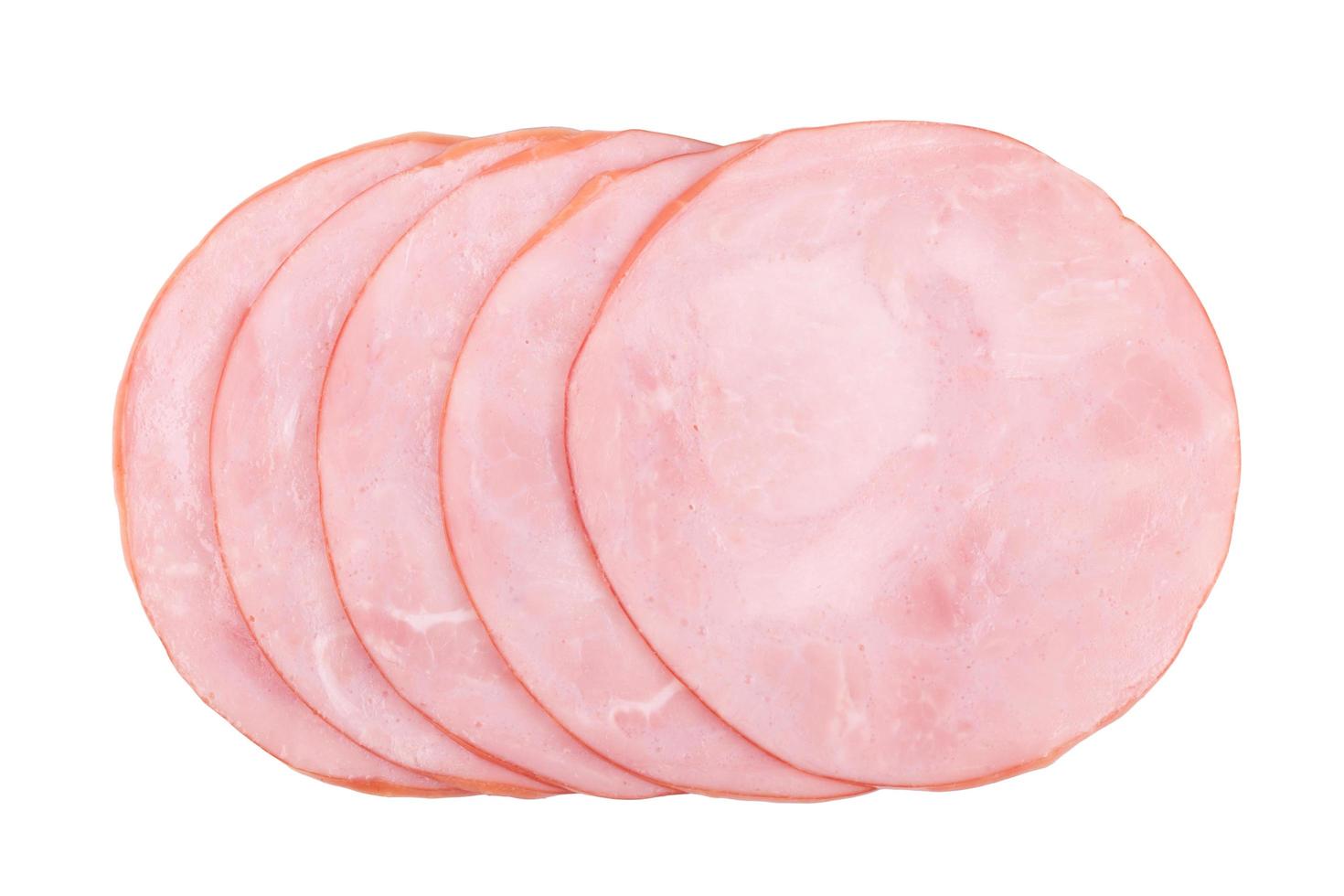
Generally, most plain deli meats like turkey, chicken, ham, and roast beef are naturally gluten-free. However, some processed deli meats may contain gluten as an additive or in seasonings, so it’s important to check the label or ask the manufacturer if you have celiac disease or gluten sensitivity.
Quick Tips
1Protein source: Deli meats provide protein, which is essential for building and repairing tissues.
2Convenient: They offer a quick and easy option for meals and snacks.
3Vitamin B12: Many deli meats, especially those from animal sources, contain vitamin B12, which is important for nerve function and blood cell formation.
# In This Article
3 sectionsQuick navigation to each section of this article:
1 Benefits of Deli Meat
Protein source: Deli meats provide protein, which is essential for building and repairing tissues.
Jump2 Who should avoid Deli Meat
Pregnant women: Due to the risk of listeriosis, a foodborne illness that can be particularly dangerous during pregnancy.
Jump3 Gluten Free Alternatives
Here are five gluten-free alternatives to deli meat, along with short descriptions:
JumpBenefits of Deli Meat
| Benefits of Deli Meat |
|---|
| Protein source: Deli meats provide protein, which is essential for building and repairing tissues. |
| Convenient: They offer a quick and easy option for meals and snacks. |
| Vitamin B12: Many deli meats, especially those from animal sources, contain vitamin B12, which is important for nerve function and blood cell formation. |
| Iron: Some deli meats, particularly those made from red meat, can be a good source of iron. |
| Zinc: Deli meats often contain zinc, which is important for immune function and wound healing. |
| Low in carbohydrates: For those following low-carb diets, deli meats can be a suitable option. |
| Variety: There are many types of deli meats available, allowing for diverse flavor options.However, it’s crucial to remember that many health organizations recommend limiting processed meat consumption due to potential health risks associated with regular, high intake. Choosing lower-sodium options and consuming in moderation is advisable. |
Who should avoid Deli Meat
| Who should avoid Deli Meat |
|---|
| Pregnant women: Due to the risk of listeriosis, a foodborne illness that can be particularly dangerous during pregnancy. |
| Infants and young children: Their immune systems are not fully developed, making them more susceptible to foodborne illnesses. |
| Elderly individuals: They have weakened immune systems and are more vulnerable to foodborne pathogens. |
| People with compromised immune systems: Including those with HIV/AIDS, cancer patients undergoing chemotherapy, and organ transplant recipients. |
| Individuals with heart disease or high blood pressure: Due to the high sodium content in many deli meats. |
| People with a history of foodborne illness: They may be more susceptible to future infections. |
| Those with certain food allergies: Some deli meats contain allergens like soy, milk, or wheat. |
| Individuals trying to reduce their intake of processed foods: Many deli meats are highly processed and contain additives. |
| People following a low-sodium diet: Most deli meats are high in sodium. |
| Those concerned about nitrates and nitrites: Many deli meats contain these preservatives, which some studies have linked to health concerns.Always consult with a healthcare professional for personalized dietary advice. |
Gluten Free Alternatives
Here are five gluten-free alternatives to deli meat, along with short descriptions:
| Gluten Free Alternatives |
|---|
| Roasted or grilled whole chicken breast: A lean, protein-rich option that can be sliced thinly and used in sandwiches or salads. It's naturally gluten-free and can be seasoned to taste. |
| Sliced hard-boiled eggs: A versatile, protein-packed alternative that's easy to prepare and store. They're naturally gluten-free and can be used in sandwiches, salads, or as a quick snack. |
| Hummus: A creamy, plant-based spread made from chickpeas, tahini, and olive oil. It's naturally gluten-free and provides protein and fiber. It can be used as a sandwich spread or a dip for vegetables. |
| Avocado: A nutrient-dense fruit that's naturally gluten-free and rich in healthy fats. It can be mashed and spread on sandwiches or sliced for salads, providing a creamy texture similar to some deli meats. |
| Gluten-free veggie patties: Made from a variety of vegetables, legumes, and gluten-free grains, these patties offer a plant-based alternative to deli meats. They can be sliced and used in sandwiches or crumbled over salads for added protein and flavor. |
Health Information
? Frequently Asked Questions
4 questions1 What deli meats are not gluten-free?
2 Is all boar's head deli meat gluten-free?
3 Do processed meats contain gluten?
4 Does deli pepperoni have gluten?
Our Expert
Drs. Ilse van Asperen
Orthomolecular Therapist, Nutritional Coach & Professional Editor
Drs. Ilse van Asperen is a medical doctor specialising in orthomolecular therapy and nutritional coaching. With a background in public and clinical health research and management, she focuses on addressing the root causes of health issues through diet, gut health, and stress reduction. As a professional editor for Little Helpers, she reviews all gluten-free content to ensure accuracy, safety, and scientific credibility. Read more on Drs. Ilse van Asperen's own website
Our Sources
The information on this page is based on reputable health and nutrition organisations, ensuring accuracy and reliability for anyone following a gluten-free diet. For further details, see the sources below.