Is Eel sauce Gluten Free?

Is Eel sauce Gluten Free?

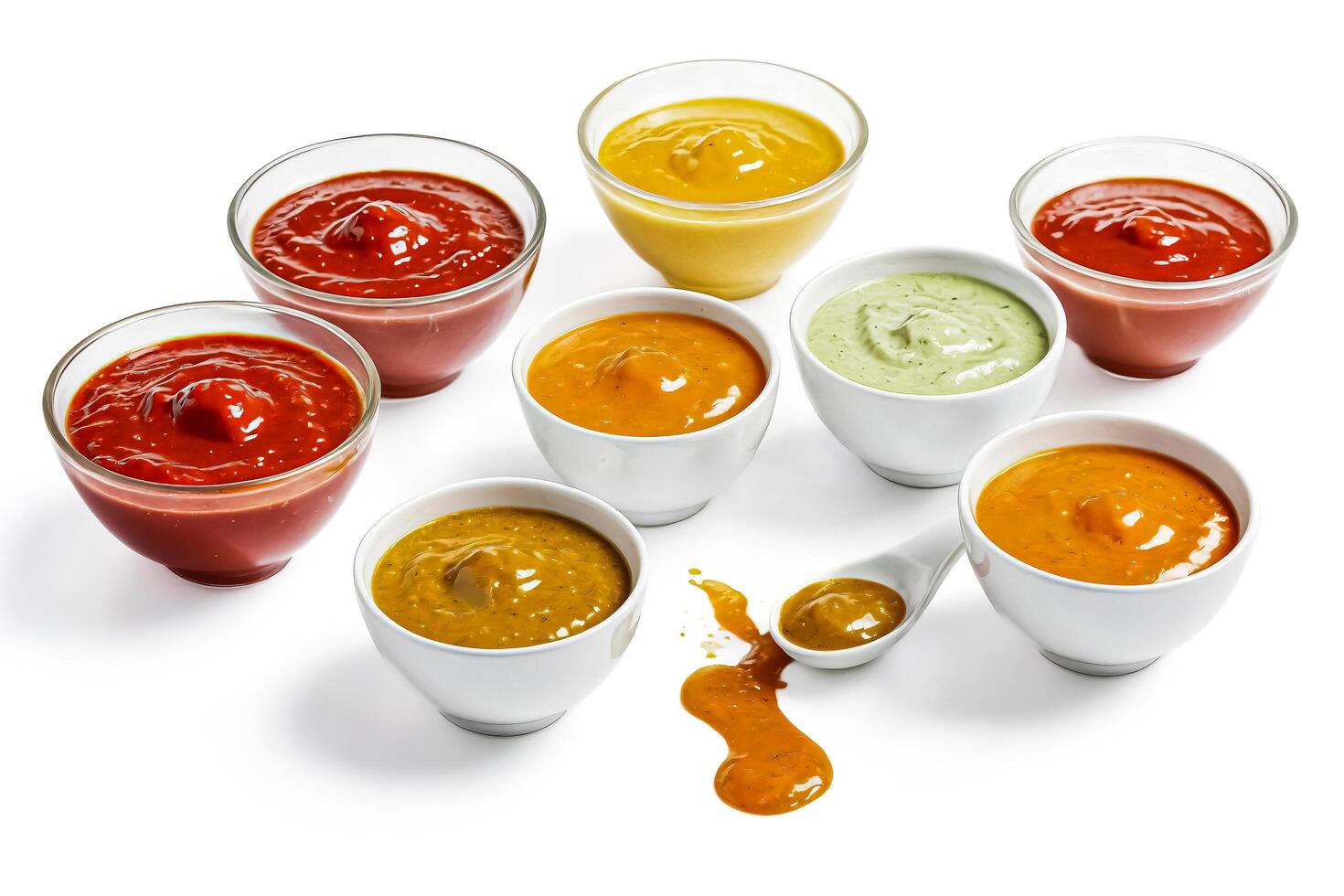
Eel sauce, also known as unagi sauce, typically contains soy sauce as a main ingredient, which usually contains wheat and is therefore not gluten-free. However, some specialty brands or homemade versions of eel sauce may use gluten-free soy sauce or tamari as a substitute, making those particular versions gluten-free.

TL;DR

Eel sauce, also known as unagi sauce, typically contains soy sauce as a main ingredient, which usually contains wheat and is therefore not gluten-free. However, some specialty brands or homemade versions of eel sauce may use gluten-free soy sauce or tamari as a substitute, making those particular versions gluten-free.

Quick Tips

1

Rich, savory flavor that enhances many dishes

2

Versatile condiment that pairs well with various cuisines

3

Provides a balance of sweet and salty flavors

# In This Article

3 sections

Quick navigation to each section of this article:

1 Benefits of Eel sauce

Rich, savory flavor that enhances many dishes

Jump
2 Who should avoid Eel sauce

Individuals with fish or shellfish allergies, as eel sauce often contains fish-derived ingredients

Jump
3 Gluten Free Alternatives

Here are five gluten-free alternatives to Eel sauce, along with brief descriptions:

Jump

Benefits of Eel sauce

Benefits of Eel sauce
Rich, savory flavor that enhances many dishes
Versatile condiment that pairs well with various cuisines
Provides a balance of sweet and salty flavors
Contains some nutritional value from soy sauce (amino acids, minerals)
Long shelf life when stored properly
Often contains no artificial preservatives or colors
Can be a lower-calorie alternative to some other sauces
Eel is high in protein, supporting muscle health and repair.
Provides heart-healthy fats, omega-3 fatty acids that can improve cardiovascular health.
It contains compounds that help combat oxidative stress and inflammation.
Eel contains essential vitamins like B12, which supports energy metabolism and brain health.
The nutrients found in eel, including vitamins A and D, can help bolster the immune system.Remember that while eel sauce can be tasty, it’s often high in sugar and sodium, so it should be used in moderation as part of a balanced diet.

Who should avoid Eel sauce

Who should avoid Eel sauce
Individuals with fish or shellfish allergies, as eel sauce often contains fish-derived ingredients
People with soy allergies, since soy sauce is a key component of eel sauce
Those with gluten sensitivities or celiac disease, as most soy sauces contain wheat
Individuals following a low-sodium diet, as eel sauce is typically high in sodium
People with diabetes or those monitoring their sugar intake, as eel sauce often contains added sugars
Vegans and vegetarians, due to the fish-based ingredients in traditional eel sauce
Those avoiding alcohol, as some eel sauce recipes may include mirin (a rice wine)
Individuals with MSG sensitivities, as some commercial eel sauces may contain monosodium glutamate
People following a kosher diet, as eel is not considered kosher
Those with specific religious or cultural dietary restrictions that prohibit the consumption of eel or its byproductsRemember that ingredients can vary between brands and recipes, so it’s always best to check the label or ask about specific ingredients if you have concerns.
ENJOY YOUR FAVORITE FOODS FEARLESSLY!
Don’t let gluten hold you back. Take Anti-Gluten Pills before your meal and enjoy peace of mind.
SHOP ANTI-GLUTEN PILLS
Clinically proven · Up to 86% gluten reduction · Fast acting

Gluten Free Alternatives

Here are five gluten-free alternatives to Eel sauce, along with brief descriptions:

Gluten Free Alternatives
Tamari-based sauce:A Japanese soy sauce made without wheat, providing a rich umami flavor similar to Eel sauce. It can be mixed with mirin, sugar, and sake to create a gluten-free alternative.
Coconut aminos:A soy-free, gluten-free sauce made from coconut sap. It has a slightly sweet taste and can be combined with other ingredients to mimic the flavor profile of Eel sauce.
Gluten-free teriyaki sauce:Many brands offer gluten-free teriyaki sauces made with tamari or coconut aminos instead of wheat-containing soy sauce. These can provide a similar sweet and savory taste.
Oyster sauce (gluten-free varieties):Some brands produce gluten-free oyster sauce, which offers a similar umami flavor and thick consistency. It can be sweetened to more closely resemble Eel sauce.
Homemade gluten-free sauce:A custom-made sauce using gluten-free ingredients such as tamari, rice vinegar, honey, and potato starch for thickening. This allows for full control over ingredients and flavor.

Health Information

? Frequently Asked Questions

1 questions
1 What is eel sauce made of?
Eel sauce, despite its name, typically doesn't contain any eel. It is primarily composed of soy sauce, mirin (a sweet rice wine), and sugar. These ingredients are simmered together until they form a thick, syrupy consistency. The result is a sweet and savory sauce that complements a variety of dishes, particularly grilled eel and sushi rolls.
LIVE GLUTEN-FREE WITHOUT THE FUSS!
Introducing Tolerase® G, clinically proven to reduce up to 86% of gluten in under 10 minutes. Experience the freedom to eat what you love.
SHOP ANTI-GLUTEN PILLS
150mg pure Tolerase® G · Reduces gluten by 86% · Under 10 minutes

Our Expert

Drs. Ilse van Asperen, Orthomolecular Therapist and Nutritional Coach

Drs. Ilse van Asperen

Orthomolecular Therapist, Nutritional Coach & Professional Editor

Drs. Ilse van Asperen is a medical doctor specialising in orthomolecular therapy and nutritional coaching. With a background in public and clinical health research and management, she focuses on addressing the root causes of health issues through diet, gut health, and stress reduction. As a professional editor for Little Helpers, she reviews all gluten-free content to ensure accuracy, safety, and scientific credibility. Read more on Drs. Ilse van Asperen's own website

Our Sources

The information on this page is based on reputable health and nutrition organisations, ensuring accuracy and reliability for anyone following a gluten-free diet. For further details, see the sources below.

Sources

Similar Articles

Back to blog