Is Fake Crab Gluten Free?

Is Fake Crab Gluten Free?

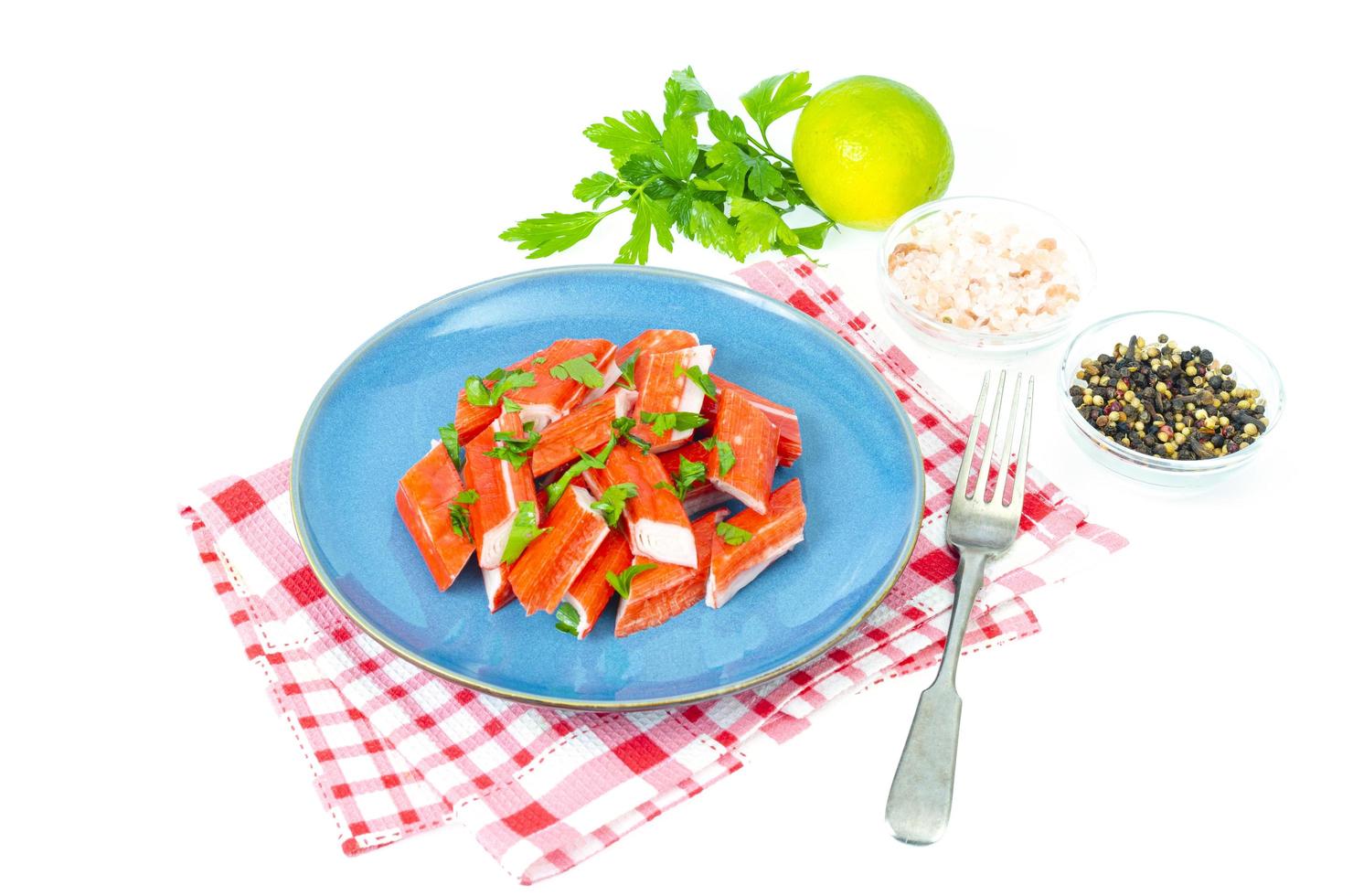
Fake crab, or imitation crab meat, is primarily made from surimi, a processed fish product that mimics the texture and flavor of real crab. While many imitation crab products contain wheat starch as a binding agent, making them not gluten-free, some brands do offer gluten-free versions. To ensure safety for those with gluten sensitivities or celiac disease, it’s crucial to check the ingredient list or look for products specifically labeled as gluten-free.

TL;DR

Fake crab, or imitation crab meat, is primarily made from surimi, a processed fish product that mimics the texture and flavor of real crab. While many imitation crab products contain wheat starch as a binding agent, making them not gluten-free, some brands do offer gluten-free versions. To ensure safety for those with gluten sensitivities or celiac disease, it’s crucial to check the ingredient list or look for products specifically labeled as gluten-free.

Quick Tips

1

Low in calories: Typically contains fewer calories than real crab meat, making it a good option for those watching their calorie intake.

2

Low in fat: Generally contains less fat than many other protein sources.

3

Good source of protein: Provides a moderate amount of protein, which is essential for muscle growth and repair.

# In This Article

3 sections

Quick navigation to each section of this article:

1 Benefits of Fake Crab

Low in calories: Typically contains fewer calories than real crab meat, making it a good option for those watching their calorie intake.

Jump
2 Who should avoid Fake Crab

People with shellfish allergies: Although fake crab doesn’t contain real crab, it often contains other shellfish like pollack, which can trigger allergic reactions.

Jump
3 Gluten Free Alternatives

Here are five gluten-free alternatives to Fake Crab (imitation crab meat) with short descriptions:

Jump

Benefits of Fake Crab

Benefits of Fake Crab
Low in calories: Typically contains fewer calories than real crab meat, making it a good option for those watching their calorie intake.
Low in fat: Generally contains less fat than many other protein sources.
Good source of protein: Provides a moderate amount of protein, which is essential for muscle growth and repair.
Contains omega-3 fatty acids: Though in smaller amounts than real crab, it still provides some heart-healthy omega-3s.
Source of phosphorus: Important for bone health and cellular function.
Contains vitamin B12: Essential for nerve function and the formation of red blood cells.
Iodine content: Important for thyroid function, though levels may vary depending on the product.
Selenium: An antioxidant that supports immune function and thyroid health.
Affordable source of seafood flavor: Allows people to enjoy a seafood-like taste at a lower cost than real crab.
Versatile ingredient: Can be used in various dishes, potentially increasing overall seafood consumption.However, it’s important to note that fake crab is highly processed and often contains additives, so it should be consumed in moderation as part of a balanced diet.

Who should avoid Fake Crab

Who should avoid Fake Crab
People with shellfish allergies: Although fake crab doesn’t contain real crab, it often contains other shellfish like pollack, which can trigger allergic reactions.
Individuals with fish allergies: Fake crab is typically made from white fish like pollack or hake.
Those with soy allergies: Many imitation crab products contain soy as a binding ingredient.
People with gluten sensitivities or celiac disease: Some brands use wheat starch as a binder, making the product unsuitable for those avoiding gluten.
Individuals watching their sodium intake: Fake crab often contains high levels of sodium.
Those on a low-carb or keto diet: Imitation crab contains more carbohydrates than real crab meat.
People seeking high-protein foods: Fake crab has less protein than real crab meat.
Individuals concerned about artificial additives: Many imitation crab products contain artificial flavors, colors, and preservatives.
Pregnant women: Due to the potential presence of additives and lower nutritional value compared to real crab.
Those following a whole food or clean eating diet: Fake crab is a highly processed food product.
ENJOY YOUR FAVORITE FOODS FEARLESSLY!
Don’t let gluten hold you back. Take Anti-Gluten Pills before your meal and enjoy peace of mind.
SHOP ANTI-GLUTEN PILLS
Clinically proven · Up to 86% gluten reduction · Fast acting

Gluten Free Alternatives

Here are five gluten-free alternatives to Fake Crab (imitation crab meat) with short descriptions:

Gluten Free Alternatives
Hearts of Palm: A vegetable derived from palm trees with a mild, slightly sweet flavor. When shredded, it has a texture similar to crab meat and can be seasoned to mimic crab flavors.
Jackfruit: A large tropical fruit with a meaty texture when young. It can be shredded and seasoned to resemble crab meat, making it popular in vegan and gluten-free dishes.
Zucchini "Crab" Cakes: Grated zucchini mixed with eggs, gluten-free breadcrumbs, and seasonings to create patties that mimic the texture and flavor of crab cakes.
Artichoke Hearts: When chopped and seasoned, artichoke hearts can provide a texture and taste reminiscent of crab meat, especially in dips and spreads.
Lion's Mane Mushroom: This edible fungus has a stringy texture that, when cooked and seasoned, can closely resemble the texture and flavor of crab meat in various dishes.

Health Information

? Frequently Asked Questions

4 questions
1 Does falafel contain gluten?
Falafel itself does not inherently contain gluten. Traditional falafel is made from ground chickpeas or fava beans, which are naturally gluten-free. However, some recipes may include wheat flour as a binding agent, which would introduce gluten. Additionally, falafel served in restaurants or as part of a meal may come with gluten-containing sides like pita bread, so it's important to check all components if you have gluten sensitivity.
2 Is Trader Joe's falafel gluten-free?
Trader Joe's offers multiple falafel products. Some of their falafel options are gluten-free, while others contain gluten. It's important to check the specific product label for allergen information. If you have celiac disease or gluten sensitivity, always verify the ingredients before consuming.
3 What are falafel balls made of?
Falafel balls are typically made from ground chickpeas or fava beans. These legumes are mixed with herbs, spices, and sometimes onions or garlic. Common seasonings include cumin, coriander, parsley, and cilantro. The mixture is formed into small balls or patties and deep-fried until crispy on the outside and tender on the inside.
4 Why is hummus not gluten-free?
Hummus is naturally gluten-free. The main ingredients in traditional hummus - chickpeas, tahini, olive oil, lemon juice, and garlic - do not contain gluten. However, some commercially prepared hummus may contain additives or flavorings that include gluten. It's always important to check the label or ask about ingredients if you have celiac disease or gluten sensitivity.
LIVE GLUTEN-FREE WITHOUT THE FUSS!
Introducing Tolerase® G, clinically proven to reduce up to 86% of gluten in under 10 minutes. Experience the freedom to eat what you love.
SHOP ANTI-GLUTEN PILLS
150mg pure Tolerase® G · Reduces gluten by 86% · Under 10 minutes

Our Expert

Drs. Ilse van Asperen, Orthomolecular Therapist and Nutritional Coach

Drs. Ilse van Asperen

Orthomolecular Therapist, Nutritional Coach & Professional Editor

Drs. Ilse van Asperen is a medical doctor specialising in orthomolecular therapy and nutritional coaching. With a background in public and clinical health research and management, she focuses on addressing the root causes of health issues through diet, gut health, and stress reduction. As a professional editor for Little Helpers, she reviews all gluten-free content to ensure accuracy, safety, and scientific credibility. Read more on Drs. Ilse van Asperen's own website

Our Sources

The information on this page is based on reputable health and nutrition organisations, ensuring accuracy and reliability for anyone following a gluten-free diet. For further details, see the sources below.
Sources

Similar Articles

Back to blog