Is Falafel Gluten Free?

Is Falafel Gluten Free?

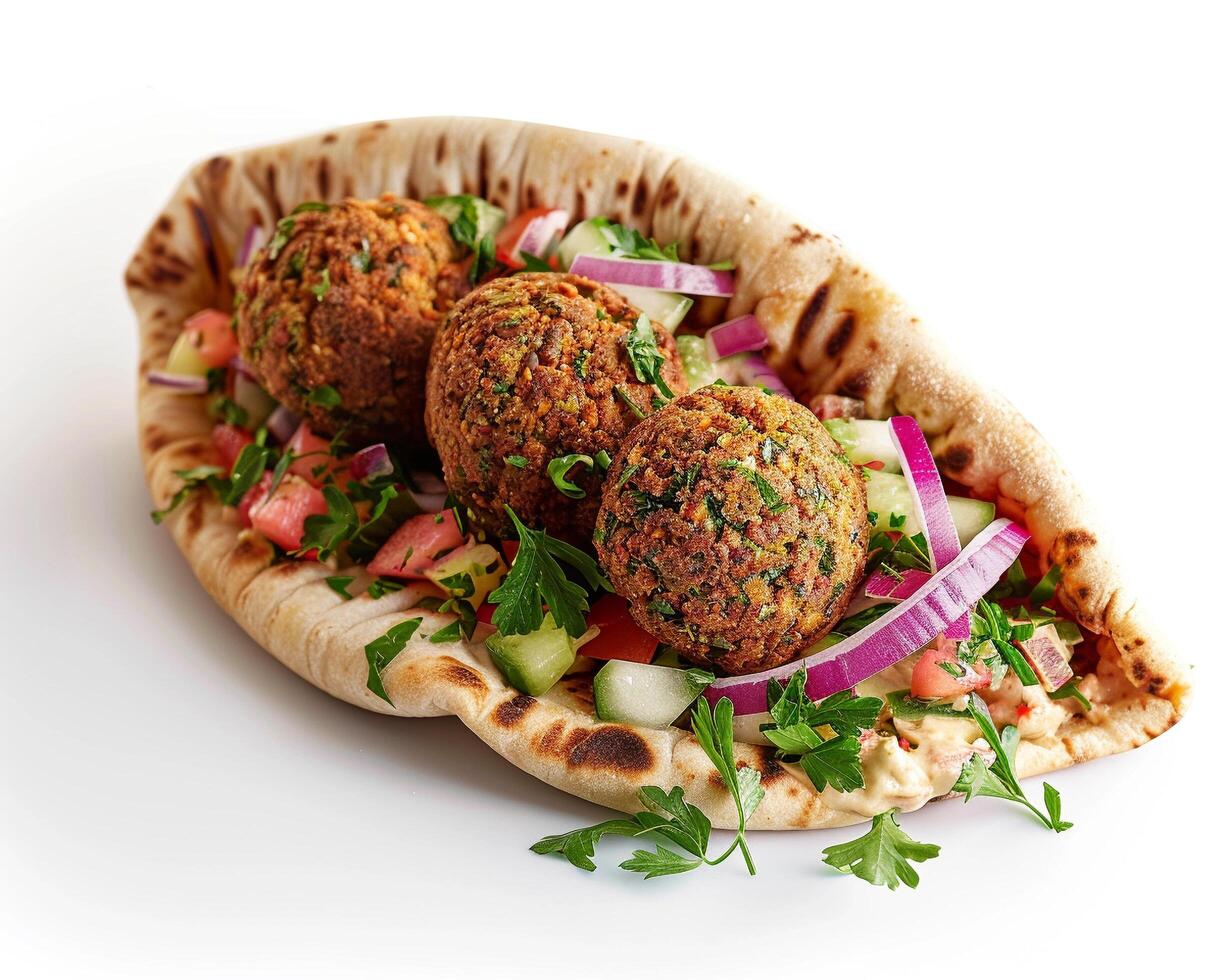
Traditionally, falafel is made from ground chickpeas or fava beans, which are naturally gluten-free ingredients. However, some recipes or pre-made mixes may include wheat flour as a binding agent, so it’s important to check the specific ingredients or ask about preparation methods if you have gluten sensitivity or celiac disease.

TL;DR

Traditionally, falafel is made from ground chickpeas or fava beans, which are naturally gluten-free ingredients. However, some recipes or pre-made mixes may include wheat flour as a binding agent, so it’s important to check the specific ingredients or ask about preparation methods if you have gluten sensitivity or celiac disease.

Quick Tips

1

High in protein: Falafel is made from chickpeas, which are an excellent source of plant-based protein.

2

Rich in fiber: Chickpeas are high in dietary fiber, which aids digestion and promotes feelings of fullness.

3

Good source of complex carbohydrates: These provide sustained energy and help regulate blood sugar levels.

# In This Article

3 sections

Quick navigation to each section of this article:

1 Benefits of Falafel

High in protein: Falafel is made from chickpeas, which are an excellent source of plant-based protein.

Jump
2 Who should avoid Falafel

People with chickpea or fava bean allergies: Since these are the main ingredients in falafel, those with allergies to these legumes should avoid it.

Jump
3 Related Gluten Free Products

Here are five gluten-free options similar to falafel, along with short descriptions:

Jump

Benefits of Falafel

Benefits of Falafel
High in protein: Falafel is made from chickpeas, which are an excellent source of plant-based protein.
Rich in fiber: Chickpeas are high in dietary fiber, which aids digestion and promotes feelings of fullness.
Good source of complex carbohydrates: These provide sustained energy and help regulate blood sugar levels.
Contains essential vitamins and minerals: Falafel provides iron, folate, magnesium, phosphorus, and B vitamins.
Heart-healthy: The ingredients in falafel can help lower cholesterol and reduce the risk of heart disease.
Antioxidant properties: Herbs and spices used in falafel, like parsley and cumin, contain antioxidants.
Low in saturated fat: When baked instead of fried, falafel is a relatively low-fat food option.
Supports weight management: The combination of protein and fiber can help with appetite control and weight maintenance.
Gluten-free option: Traditional falafel is naturally gluten-free, making it suitable for those with gluten sensitivities.
Promotes bone health: Chickpeas contain calcium and phosphate, which are important for bone strength.
May help regulate blood sugar: The high fiber content can help slow down the absorption of sugar in the bloodstream.Remember that the health benefits can vary depending on preparation methods and additional ingredients used.

Who should avoid Falafel

Who should avoid Falafel
People with chickpea or fava bean allergies: Since these are the main ingredients in falafel, those with allergies to these legumes should avoid it.
Individuals with sesame seed allergies: Many falafel recipes include tahini, which is made from sesame seeds.
Those with gluten sensitivities or celiac disease: Some falafel recipes may contain wheat flour as a binding agent. Always check ingredients or ask about preparation methods.
People on low-FODMAP diets: Chickpeas and fava beans are high in FODMAPs, which can trigger digestive issues in sensitive individuals.
Individuals with IBS or other digestive disorders: The high fiber content in falafel may cause discomfort for some people with sensitive digestive systems.
Those with gall bladder issues: The high fat content from frying may cause discomfort for people with gallbladder problems.
Individuals on a low-sodium diet: Restaurant-prepared falafel can be high in sodium.
People with nut allergies: Some falafel recipes may include nuts as an ingredient or for garnish.
Those on very low-carb diets: Falafel is relatively high in carbohydrates.Always consult with a healthcare professional if you have concerns about including falafel in your diet.
ENJOY YOUR FAVORITE FOODS FEARLESSLY!
Don’t let gluten hold you back. Take Anti-Gluten Pills before your meal and enjoy peace of mind.
SHOP ANTI-GLUTEN PILLS
Clinically proven · Up to 86% gluten reduction · Fast acting

Here are five gluten-free options similar to falafel, along with short descriptions:

Related Gluten Free Products
Pakoras: Indian fritters made from chickpea flour batter mixed with vegetables, spices, and herbs, then deep-fried until crispy. They're versatile and can include various vegetables like onions, potatoes, or spinach.
Hushpuppies: Southern U.S. cornmeal-based fritters, typically made with cornmeal, eggs, and onions, then deep-fried. They're often served as a side dish and can be flavored with herbs or jalapeños for added kick.
Arancini: Italian rice balls made with gluten-free risotto rice, usually stuffed with cheese, meat, or vegetables, then coated in gluten-free breadcrumbs and deep-fried. They're crispy on the outside and creamy on the inside.
Corn Fritters: Light and fluffy patties made from cornmeal or fresh corn kernels, mixed with eggs and gluten-free flour, then pan-fried or deep-fried. They can be sweet or savory and are often served with dipping sauces.
Potato Latkes: Traditional Jewish potato pancakes made from grated potatoes, onions, and eggs, bound together with a small amount of gluten-free flour or matzo meal, then pan-fried until golden and crispy. They're often served with applesauce or sour cream.

Health Information

? Frequently Asked Questions

4 questions
1 Which sodas are gluten-free?
Most sodas are naturally gluten-free. This includes popular carbonated beverages like Coca-Cola, Pepsi, Sprite, and Dr Pepper. However, it's always best to check the label or contact the manufacturer if you have celiac disease or severe gluten sensitivity. Some specialty or flavored sodas may contain gluten-derived ingredients, so caution is advised for those varieties.
2 Can celiacs drink fizzy drinks?
Most fizzy drinks are generally safe for people with celiac disease. The majority of carbonated beverages like sodas, sparkling water, and seltzers are naturally gluten-free. However, it's always important for celiacs to check ingredient labels, as some specialty or flavored fizzy drinks might contain gluten-containing additives. If in doubt, it's best to contact the manufacturer or choose drinks that are specifically labeled as gluten-free.
3 Is Coca-Cola gluten-free?
Yes, Coca-Cola is gluten-free. The ingredients in regular Coca-Cola do not contain any gluten-containing grains or derivatives. This applies to both the original Coca-Cola and most of its flavor variations. However, it's always best to check the label of any specific product, especially limited edition or regional varieties, to be certain.
4 Is Fanta gluten-free in Italy?
Fanta is generally considered gluten-free in Italy. However, it's important to note that ingredient formulations can vary by country and region. To be absolutely certain, it's best to check the specific product label or contact the local Coca-Cola distributor in Italy. As with any food or beverage product, individuals with celiac disease or gluten sensitivity should always exercise caution and verify ingredients.
LIVE GLUTEN-FREE WITHOUT THE FUSS!
Introducing Tolerase® G, clinically proven to reduce up to 86% of gluten in under 10 minutes. Experience the freedom to eat what you love.
SHOP ANTI-GLUTEN PILLS
150mg pure Tolerase® G · Reduces gluten by 86% · Under 10 minutes

Our Expert

Drs. Ilse van Asperen, Orthomolecular Therapist and Nutritional Coach

Drs. Ilse van Asperen

Orthomolecular Therapist, Nutritional Coach & Professional Editor

Drs. Ilse van Asperen is a medical doctor specialising in orthomolecular therapy and nutritional coaching. With a background in public and clinical health research and management, she focuses on addressing the root causes of health issues through diet, gut health, and stress reduction. As a professional editor for Little Helpers, she reviews all gluten-free content to ensure accuracy, safety, and scientific credibility. Read more on Drs. Ilse van Asperen's own website

Our Sources

The information on this page is based on reputable health and nutrition organisations, ensuring accuracy and reliability for anyone following a gluten-free diet. For further details, see the sources below.
Sources

Similar Articles

Back to blog