Is French Onion Soup Gluten Free?

Is French Onion Soup Gluten Free?

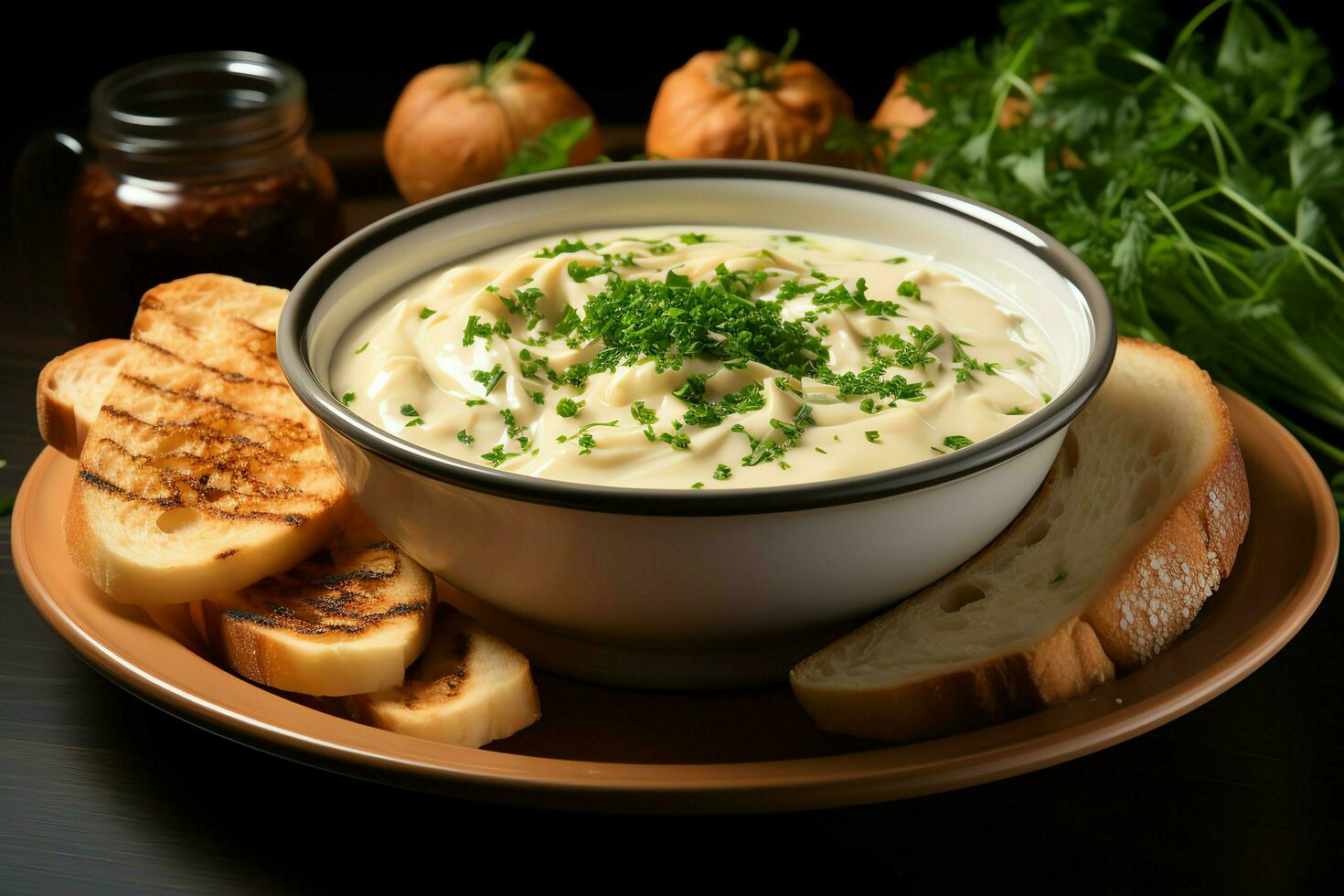
Traditional French onion soup is not gluten-free, as it typically contains croutons or bread made from wheat flour, which contains gluten. However, it is possible to make a gluten-free version of French onion soup by using gluten-free bread or omitting the bread entirely, and ensuring that all other ingredients, including the stock and any thickeners, are gluten-free.

TL;DR

Traditional French onion soup is not gluten-free, as it typically contains croutons or bread made from wheat flour, which contains gluten. However, it is possible to make a gluten-free version of French onion soup by using gluten-free bread or omitting the bread entirely, and ensuring that all other ingredients, including the stock and any thickeners, are gluten-free.

Quick Tips

1

Rich in antioxidants: Onions contain powerful antioxidants like quercetin, which can help reduce inflammation and fight free radicals.

2

Supports heart health: The sulfur compounds in onions may help lower blood pressure and reduce the risk of heart disease.

3

Boosts immune system: Onions contain vitamin C and other compounds that can help strengthen the immune system.

# In This Article

3 sections

Quick navigation to each section of this article:

1 Benefits of French Onion Soup

Rich in antioxidants: Onions contain powerful antioxidants like quercetin, which can help reduce inflammation and fight free radicals.

Jump
2 Who should avoid French Onion Soup

People with onion allergies or intolerances

Jump
3 Gluten Free Alternatives

Here are five gluten-free alternatives to French Onion Soup, along with short descriptions:

Jump

Benefits of French Onion Soup

Benefits of French Onion Soup
Rich in antioxidants: Onions contain powerful antioxidants like quercetin, which can help reduce inflammation and fight free radicals.
Supports heart health: The sulfur compounds in onions may help lower blood pressure and reduce the risk of heart disease.
Boosts immune system: Onions contain vitamin C and other compounds that can help strengthen the immune system.
Promotes bone health: The soup often contains beef broth, which is a good source of calcium and other minerals essential for bone health.
Aids digestion: Onions contain prebiotic fibers that can promote gut health and improve digestion.
May have anti-cancer properties: Some studies suggest that compounds in onions may help inhibit the growth of certain cancer cells.
Provides hydration: The soup’s high liquid content helps maintain proper hydration.
Low in calories: When prepared with minimal added fats, French Onion Soup can be a relatively low-calorie meal option.
Contains essential nutrients: Onions provide vitamins (like B6 and folate) and minerals (like potassium and manganese).
May help regulate blood sugar: Some research indicates that onions may help improve insulin sensitivity and regulate blood sugar levels.
Supports respiratory health: The sulfur compounds in onions may help reduce inflammation in the airways and alleviate symptoms of respiratory conditions.Remember that the overall health benefits can vary depending on the specific recipe and ingredients used in the soup.

Who should avoid French Onion Soup

Who should avoid French Onion Soup
People with onion allergies or intolerances
Individuals with dairy allergies or lactose intolerance (due to the cheese typically used)
Those following a gluten-free diet (unless a gluten-free version is prepared)
People on low-sodium diets (as the soup is often high in sodium)
Individuals with gastroesophageal reflux disease (GERD) or acid reflux (onions can trigger symptoms)
Those following a low-FODMAP diet for irritable bowel syndrome (IBS)
People with sulfite sensitivity (as onions naturally contain sulfites)
Individuals on certain medications that interact with vitamin K (French Onion Soup can be high in vitamin K due to the beef broth)
Those avoiding alcohol (as some recipes include wine)
Vegans and vegetarians (unless a plant-based version is prepared)
People with compromised immune systems (if the cheese used is unpasteurized)Always consult with a healthcare professional if you have specific dietary concerns or restrictions.
ENJOY YOUR FAVORITE FOODS FEARLESSLY!
Don’t let gluten hold you back. Take Anti-Gluten Pills before your meal and enjoy peace of mind.
SHOP ANTI-GLUTEN PILLS
Clinically proven · Up to 86% gluten reduction · Fast acting

Gluten Free Alternatives

Here are five gluten-free alternatives to French Onion Soup, along with short descriptions:

Gluten Free Alternatives
Mushroom and Thyme SoupA rich and savory soup made with a variety of mushrooms, fresh thyme, and a gluten-free broth. This alternative provides a similar depth of flavor and hearty texture to French Onion Soup.
Roasted Garlic and Cauliflower SoupA creamy, comforting soup that combines the sweetness of roasted garlic with the mild flavor of cauliflower. It's often topped with gluten-free croutons or cheese for added texture.
Caramelized Onion and Potato SoupThis soup captures the essence of French Onion Soup by using caramelized onions, but incorporates potatoes for a thicker consistency. It's typically made with a gluten-free broth and can be topped with melted cheese.
Butternut Squash and Sage SoupA smooth, velvety soup that offers a sweet and savory flavor profile. The sage provides an earthy note that complements the sweetness of the squash, creating a satisfying alternative to French Onion Soup.
Leek and White Bean SoupThis hearty soup combines the mild onion flavor of leeks with creamy white beans for a protein-rich alternative. It's often garnished with crispy gluten-free bacon or herbs for added flavor and texture.

Health Information

? Frequently Asked Questions

4 questions
1 Which mustard is gluten free?
Most traditional mustards are naturally gluten-free. This includes yellow mustard, Dijon mustard, and whole grain mustard. However, some specialty or flavored mustards may contain gluten-containing ingredients, so it's always best to check the label. If you have celiac disease or gluten sensitivity, look for mustards that are specifically labeled as gluten-free to be certain.
2 Can celiacs have Dijon mustard?
Generally, Dijon mustard is considered safe for people with celiac disease. Most commercial Dijon mustard brands are gluten-free, as they typically don't contain wheat or other gluten-containing ingredients. However, it's always important for celiacs to check the ingredient list and look for any potential gluten sources or cross-contamination warnings. If in doubt, it's best to contact the manufacturer directly or choose a certified gluten-free mustard brand.
3 Do mustard and ketchup have gluten?
Mustard and ketchup are generally gluten-free. However, some specialty or flavored varieties may contain gluten-containing ingredients. It's always best to check the label for specific ingredients or gluten warnings. If you have celiac disease or gluten sensitivity, opt for brands that are certified gluten-free for peace of mind.
4 Is French spicy brown mustard gluten-free?
French spicy brown mustard is typically gluten-free. The main ingredients in traditional French mustard are mustard seeds, vinegar, water, salt, and spices, which do not contain gluten. However, it's always important to check the label of specific brands, as some may add ingredients that contain gluten. If you have celiac disease or gluten sensitivity, look for mustards that are explicitly labeled as gluten-free to be absolutely certain.
LIVE GLUTEN-FREE WITHOUT THE FUSS!
Introducing Tolerase® G, clinically proven to reduce up to 86% of gluten in under 10 minutes. Experience the freedom to eat what you love.
SHOP ANTI-GLUTEN PILLS
150mg pure Tolerase® G · Reduces gluten by 86% · Under 10 minutes

Our Expert

Drs. Ilse van Asperen, Orthomolecular Therapist and Nutritional Coach

Drs. Ilse van Asperen

Orthomolecular Therapist, Nutritional Coach & Professional Editor

Drs. Ilse van Asperen is a medical doctor specialising in orthomolecular therapy and nutritional coaching. With a background in public and clinical health research and management, she focuses on addressing the root causes of health issues through diet, gut health, and stress reduction. As a professional editor for Little Helpers, she reviews all gluten-free content to ensure accuracy, safety, and scientific credibility. Read more on Drs. Ilse van Asperen's own website

Our Sources

The information on this page is based on reputable health and nutrition organisations, ensuring accuracy and reliability for anyone following a gluten-free diet. For further details, see the sources below.

Sources

Similar Articles

Back to blog