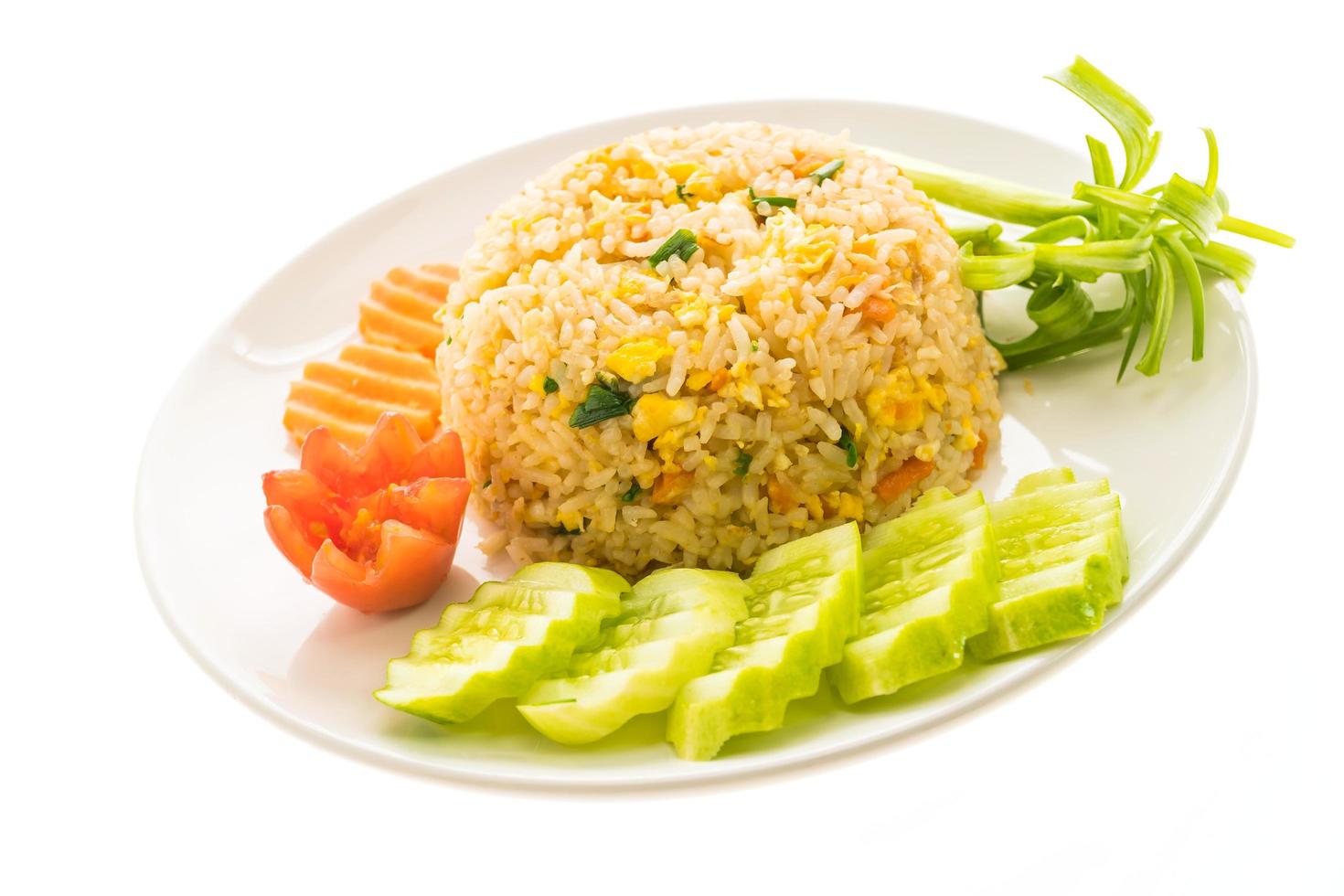
Is Fried Rice Gluten Free?

Is Fried Rice Gluten Free?

Fried rice can be gluten-free, but it depends on the specific ingredients and preparation method used. Traditional soy sauce, which is often used in fried rice, contains gluten, so a gluten-free version would need to use tamari or other gluten-free alternatives, and care must be taken to avoid cross-contamination with gluten-containing ingredients during preparation.

TL;DR

Fried rice can be gluten-free, but it depends on the specific ingredients and preparation method used. Traditional soy sauce, which is often used in fried rice, contains gluten, so a gluten-free version would need to use tamari or other gluten-free alternatives, and care must be taken to avoid cross-contamination with gluten-containing ingredients during preparation.

Quick Tips

1

Source of carbohydrates for energy

2

Can provide essential vitamins and minerals if made with vegetables

3

Potential source of protein if made with eggs, meat, or tofu

# In This Article

3 sections

Quick navigation to each section of this article:

1 Benefits of Fried Rice

Source of carbohydrates for energy

Jump
2 Who should avoid Fried Rice

Individuals with celiac disease or gluten sensitivity (if soy sauce containing wheat is used)

Jump
3 Gluten Free Alternatives

Here are five gluten-free alternatives to Fried Rice, along with brief descriptions:

Jump

Benefits of Fried Rice

Benefits of Fried Rice
Source of carbohydrates for energy
Can provide essential vitamins and minerals if made with vegetables
Potential source of protein if made with eggs, meat, or tofu
May contain beneficial antioxidants from ingredients like garlic and ginger
Can be a good way to use up leftover vegetables, reducing food waste
Rice provides some fiber, especially if brown rice is used
Can be a balanced meal if prepared with a variety of vegetables and lean proteins
Possible source of healthy fats if cooked with vegetable oils in moderation
May contain selenium from rice, which supports thyroid function
Can be customized to include healthier ingredients for improved nutritional valueIt’s worth noting that these benefits can vary greatly depending on the specific recipe and cooking method. Traditional fried rice is often high in calories, sodium, and unhealthy fats, so it’s best consumed in moderation as part of a balanced diet.

Who should avoid Fried Rice

Who should avoid Fried Rice
Individuals with celiac disease or gluten sensitivity (if soy sauce containing wheat is used)
People with high blood pressure (due to high sodium content)
Diabetics (due to high carbohydrate content)
Those on a low-fat diet (due to oil used in frying)
Individuals with egg allergies (if egg is used as an ingredient)
People with soy allergies (if soy sauce is used)
Those following a low-calorie diet (as fried rice is typically calorie-dense)
Individuals with certain gastrointestinal conditions that require a low-fiber diet
People with shellfish allergies (if shrimp or other seafood is included)
Those following a strict vegan diet (if egg or animal-based ingredients are used)
Individuals with MSG sensitivity (if MSG is used as a flavoring)Remember that fried rice recipes can vary, so some of these points may not apply to all versions of the dish.
ENJOY YOUR FAVORITE FOODS FEARLESSLY!
Don’t let gluten hold you back. Take Anti-Gluten Pills before your meal and enjoy peace of mind.
SHOP ANTI-GLUTEN PILLS
Clinically proven · Up to 86% gluten reduction · Fast acting

Gluten Free Alternatives

Here are five gluten-free alternatives to Fried Rice, along with brief descriptions:

Gluten Free Alternatives
Cauliflower Fried Rice- A low-carb alternative made by grating cauliflower to resemble rice grains. It's stir-fried with vegetables, eggs, and gluten-free soy sauce for a similar taste and texture to traditional fried rice.
Quinoa Fried "Rice"- Quinoa is a protein-rich, gluten-free grain that can be cooked and stir-fried with vegetables and seasonings to mimic fried rice. It offers a nutty flavor and fluffy texture.
Broccoli Rice Stir-Fry- Similar to cauliflower rice, broccoli can be grated into rice-like pieces and stir-fried with other ingredients. It provides a vibrant green color and additional nutritional benefits.
Zucchini Noodle Fried "Rice"- Spiralized zucchini noodles can be chopped into smaller pieces to resemble rice. When stir-fried with typical fried rice ingredients, it creates a low-carb, gluten-free alternative with a slightly crunchy texture.
Shirataki Rice- Made from konjac yam, shirataki rice is a zero-calorie, gluten-free alternative. It has a slightly chewy texture and can absorb flavors well, making it suitable for a fried rice-style dish when stir-fried with vegetables and proteins.

Health Information

? Frequently Asked Questions

4 questions
1 Does fried sushi have gluten?
Drunken noodles, also known as pad kee mao, typically contain rice noodles which are naturally gluten-free. However, some restaurants may use wheat-based noodles instead, which do contain gluten. Additionally, soy sauce, which is commonly used in the dish, often contains wheat unless it's specifically labeled gluten-free. To be certain, it's best to ask about ingredients when ordering drunken noodles at a restaurant or check labels carefully when preparing them at home.
2 What types of sushi are gluten-free?
Most traditional sushi rolls made with rice and fish or vegetables are naturally gluten-free. Sashimi, which consists of just raw fish without rice, is also gluten-free. However, some sushi ingredients like imitation crab meat, soy sauce, and certain sauces may contain gluten. It's important to check with the restaurant about specific ingredients and preparation methods to ensure a roll is truly gluten-free.
3 Does fried tempura have gluten?
Traditional tempura batter typically contains wheat flour, which contains gluten. However, gluten-free tempura can be made using alternative flours such as rice flour or cornstarch. It's important to check the ingredients or ask the chef if you have gluten sensitivities. Some restaurants may offer gluten-free tempura options, but it's not common unless specifically advertised.
4 Is the crunchy stuff in sushi gluten-free?
The crunchy topping often found in some sushi rolls is typically called tempura flakes or panko breadcrumbs. Traditional panko breadcrumbs are not gluten-free, as they are made from wheat flour. However, there are gluten-free alternatives available, such as rice-based panko or other gluten-free crunchy toppings. If you have celiac disease or gluten sensitivity, it's best to ask the sushi chef about the specific ingredients used in their crunchy toppings.
LIVE GLUTEN-FREE WITHOUT THE FUSS!
Introducing Tolerase® G, clinically proven to reduce up to 86% of gluten in under 10 minutes. Experience the freedom to eat what you love.
SHOP ANTI-GLUTEN PILLS
150mg pure Tolerase® G · Reduces gluten by 86% · Under 10 minutes

Our Expert

Drs. Ilse van Asperen, Orthomolecular Therapist and Nutritional Coach

Drs. Ilse van Asperen

Orthomolecular Therapist, Nutritional Coach & Professional Editor

Drs. Ilse van Asperen is a medical doctor specialising in orthomolecular therapy and nutritional coaching. With a background in public and clinical health research and management, she focuses on addressing the root causes of health issues through diet, gut health, and stress reduction. As a professional editor for Little Helpers, she reviews all gluten-free content to ensure accuracy, safety, and scientific credibility. Read more on Drs. Ilse van Asperen's own website

Our Sources

The information on this page is based on reputable health and nutrition organisations, ensuring accuracy and reliability for anyone following a gluten-free diet. For further details, see the sources below.
Sources

Similar Articles

Back to blog