Is Hamburger Gluten Free?

Is Hamburger Gluten Free?

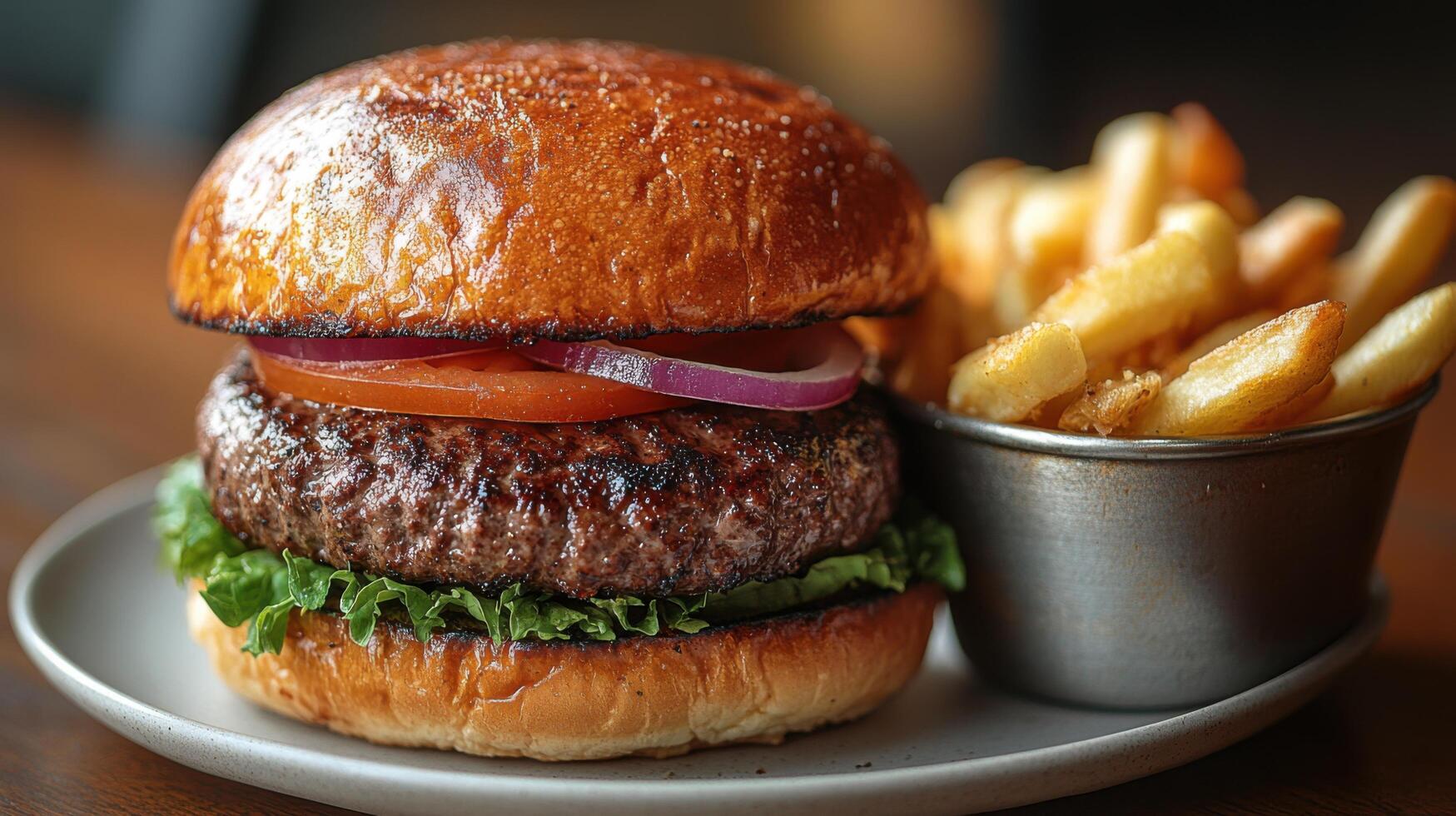
Hamburger patties made from pure ground beef are naturally gluten-free. However, many hamburger buns contain gluten, and toppings or seasonings added to the burger may also contain gluten, so a complete hamburger meal is often not gluten-free unless specifically prepared that way.

TL;DR

Hamburger patties made from pure ground beef are naturally gluten-free. However, many hamburger buns contain gluten, and toppings or seasonings added to the burger may also contain gluten, so a complete hamburger meal is often not gluten-free unless specifically prepared that way.

Quick Tips

1

Protein source: Hamburgers are a good source of protein, essential for muscle growth, repair, and overall body function.

2

Iron content: Beef patties contain iron, which is crucial for blood health and preventing anemia.

3

Vitamin B12: Hamburgers provide vitamin B12, important for nerve function and the formation of red blood cells.

# In This Article

3 sections

Quick navigation to each section of this article:

1 Benefits of Hamburger

Protein source: Hamburgers are a good source of protein, essential for muscle growth, repair, and overall body function.

Jump
2 Who should avoid Hamburger

People with high cholesterol levels, as hamburgers are often high in saturated fats

Jump
3 Gluten Free Alternatives

Here are five gluten-free alternatives to hamburgers, along with short descriptions:

Jump

Benefits of Hamburger

Benefits of Hamburger
Protein source: Hamburgers are a good source of protein, essential for muscle growth, repair, and overall body function.
Iron content: Beef patties contain iron, which is crucial for blood health and preventing anemia.
Vitamin B12: Hamburgers provide vitamin B12, important for nerve function and the formation of red blood cells.
Zinc: Beef contains zinc, which supports immune function and wound healing.
Selenium: This mineral found in beef patties acts as an antioxidant and supports thyroid function.
Energy boost: The combination of protein and carbohydrates in a hamburger can provide a quick energy boost.
Customizable nutrition: Hamburgers can be customized with various toppings like vegetables, which can add fiber, vitamins, and minerals.
Satiety: The protein and fat content in hamburgers can help you feel full and satisfied, potentially reducing overall calorie intake.
Conjugated Linoleic Acid (CLA): Grass-fed beef contains CLA, which may have anti-cancer and fat-reducing properties.
Psychological satisfaction: For some, enjoying a hamburger can provide emotional comfort and satisfaction, contributing to overall well-being.Remember, these benefits are most pronounced when hamburgers are made with lean, high-quality beef and served with nutritious toppings and sides. Overconsumption or relying on fast-food hamburgers can negate many of these potential benefits.

Who should avoid Hamburger

Who should avoid Hamburger
People with high cholesterol levels, as hamburgers are often high in saturated fats
Individuals with cardiovascular diseases or at high risk of heart problems
Those with hypertension (high blood pressure), due to the high sodium content in many hamburgers
People with gout or high uric acid levels, as red meat can exacerbate these conditions
Individuals trying to lose weight or maintain a healthy weight
Those with digestive issues like irritable bowel syndrome (IBS) or inflammatory bowel disease (IBD)
People with a history of colorectal cancer or at high risk for it
Pregnant women, who should ensure any hamburger meat is thoroughly cooked
Those with certain food allergies (e.g., to beef, wheat in buns, or common toppings)
Individuals following specific diets for religious or ethical reasons (e.g., vegetarians, vegans)
People with diabetes who need to carefully manage their carbohydrate and fat intake
Those with a history of foodborne illnesses, who should be cautious about undercooked meat
Individuals with certain autoimmune conditions that may be aggravated by red meat consumptionRemember, these are general guidelines, and individual dietary needs can vary. It’s always best to consult with a healthcare professional or registered dietitian for personalized advice.
ENJOY YOUR FAVORITE FOODS FEARLESSLY!
Don’t let gluten hold you back. Take Anti-Gluten Pills before your meal and enjoy peace of mind.
SHOP ANTI-GLUTEN PILLS
Clinically proven · Up to 86% gluten reduction · Fast acting

Gluten Free Alternatives

Here are five gluten-free alternatives to hamburgers, along with short descriptions:

Gluten Free Alternatives
Portobello Mushroom Burger:A large, grilled portobello mushroom cap serves as the patty. It has a meaty texture and can be seasoned to taste, providing a hearty and flavorful alternative.
Turkey Burger:Made from ground turkey, these patties are naturally gluten-free. They're leaner than beef burgers and can be seasoned with various herbs and spices for added flavor.
Quinoa Black Bean Burger:A vegetarian option made from cooked quinoa, black beans, and vegetables. It's high in protein and fiber, offering a nutritious and satisfying alternative.
Lettuce Wrap Burger:Use large lettuce leaves instead of a bun to wrap around your chosen patty. This low-carb option is crisp, refreshing, and adds a nice crunch to your meal.
Cauliflower Steak Burger:Thick slices of cauliflower are seasoned and grilled until tender. This vegetable-based alternative is low in calories and can be flavored to mimic traditional burger tastes.

Health Information

? Frequently Asked Questions

4 questions
1 Does a hamburger have gluten?
Most hamburgers contain gluten. The bun is typically made from wheat flour, which contains gluten. However, the meat patty itself is usually gluten-free. For those avoiding gluten, it's possible to order a hamburger without the bun or with a gluten-free bun alternative.
2 What beef burgers are gluten-free?
Most plain beef burgers are naturally gluten-free. However, some pre-made patties or seasoned burgers may contain gluten-containing additives or fillers. It's important to check labels carefully or ask about ingredients when dining out. For certainty, the safest option is to make your own burgers using pure ground beef and gluten-free seasonings.
3 Is McDonald's hamburger meat gluten-free?
McDonald's hamburger patties are generally considered gluten-free. The patties are made from 100% beef without any fillers or additives that contain gluten. However, it's important to note that cross-contamination can occur during food preparation in the restaurant. For those with celiac disease or severe gluten sensitivity, it's always best to consult directly with McDonald's or check their official allergen information.
4 Are store-bought burgers gluten-free?
Store-bought burgers may or may not be gluten-free, depending on the specific brand and ingredients used. Many plain beef patties are naturally gluten-free, but some may contain fillers or additives that contain gluten. Pre-seasoned or flavored burgers often have a higher risk of containing gluten. It's essential to carefully read ingredient labels or look for products specifically labeled as gluten-free to ensure they meet your dietary needs.
LIVE GLUTEN-FREE WITHOUT THE FUSS!
Introducing Tolerase® G, clinically proven to reduce up to 86% of gluten in under 10 minutes. Experience the freedom to eat what you love.
SHOP ANTI-GLUTEN PILLS
150mg pure Tolerase® G · Reduces gluten by 86% · Under 10 minutes

Our Expert

Drs. Ilse van Asperen, Orthomolecular Therapist and Nutritional Coach

Drs. Ilse van Asperen

Orthomolecular Therapist, Nutritional Coach & Professional Editor

Drs. Ilse van Asperen is a medical doctor specialising in orthomolecular therapy and nutritional coaching. With a background in public and clinical health research and management, she focuses on addressing the root causes of health issues through diet, gut health, and stress reduction. As a professional editor for Little Helpers, she reviews all gluten-free content to ensure accuracy, safety, and scientific credibility. Read more on Drs. Ilse van Asperen's own website

Our Sources

The information on this page is based on reputable health and nutrition organisations, ensuring accuracy and reliability for anyone following a gluten-free diet. For further details, see the sources below.

Sources

Similar Articles

Back to blog