Share
TL;DR
Malt vinegar is typically not gluten-free because it is made from barley, which contains gluten. However, there are some specialty malt vinegars made from gluten-free grains that can be considered gluten-free, but these are less common and should be clearly labeled as such.
Quick Tips
1Low in calories: Malt vinegar is very low in calories, making it a good option for those watching their calorie intake.
2May help with blood sugar control: Like other vinegars, malt vinegar may help lower blood sugar levels after meals.
3Potential antimicrobial properties: Vinegars in general have been shown to have some antimicrobial effects, which could help fight harmful bacteria.
# In This Article
3 sectionsQuick navigation to each section of this article:
1 Benefits of Malt Vinegar
Low in calories: Malt vinegar is very low in calories, making it a good option for those watching their calorie intake.
Jump2 Who should avoid Malt Vinegar
People with celiac disease or gluten sensitivity: Malt vinegar is derived from barley, which contains gluten.
Jump3 Related Gluten Free Products
Here are five gluten-free options similar to Malt Vinegar, along with short descriptions:
JumpBenefits of Malt Vinegar
| Benefits of Malt Vinegar |
|---|
| Low in calories: Malt vinegar is very low in calories, making it a good option for those watching their calorie intake. |
| May help with blood sugar control: Like other vinegars, malt vinegar may help lower blood sugar levels after meals. |
| Potential antimicrobial properties: Vinegars in general have been shown to have some antimicrobial effects, which could help fight harmful bacteria. |
| May aid in weight management: Some studies suggest that vinegar consumption might help with weight loss and reduced body fat. |
| Could support heart health: Vinegars may help reduce cholesterol levels and blood pressure, potentially benefiting cardiovascular health. |
| Provides some nutrients: Malt vinegar contains small amounts of vitamins and minerals, including potassium, calcium, and magnesium. |
| May improve digestion: Some people find that vinegar helps with digestion, though this effect is largely anecdotal. |
| Potential prebiotic effects: Vinegar may support gut health by encouraging the growth of beneficial bacteria. |
| Could help with nutrient absorption: The acidity in vinegar might enhance the body’s ability to absorb certain minerals from other foods.Remember to consume malt vinegar in moderation as part of a balanced diet, and consult with a healthcare professional before using it for any specific health purposes. |
Who should avoid Malt Vinegar
| Who should avoid Malt Vinegar |
|---|
| People with celiac disease or gluten sensitivity: Malt vinegar is derived from barley, which contains gluten. |
| Individuals with grain allergies: Particularly those allergic to barley. |
| People following a strict gluten-free diet: Even for reasons other than celiac disease. |
| Those with sulfite sensitivity: Malt vinegar may contain sulfites, which some people are sensitive to. |
| Individuals on a low-sodium diet: Vinegar is high in sodium and could affect their dietary restrictions. |
| People with certain digestive conditions: Those with acid reflux, GERD, or stomach ulcers might find vinegar irritating. |
| Individuals with damaged tooth enamel: The acidity in vinegar can further erode weakened tooth enamel. |
| Those on certain medications: Vinegar can interact with some medications, such as insulin or diuretics. |
| People with histamine intolerance: Vinegar is high in histamines, which can cause reactions in sensitive individuals. |
| Pregnant women: Should consult their doctor before consuming large amounts of any type of vinegar.Always consult with a healthcare professional if you have concerns about including malt vinegar in your diet. |
Related Gluten Free Products
Here are five gluten-free options similar to Malt Vinegar, along with short descriptions:
| Related Gluten Free Products |
|---|
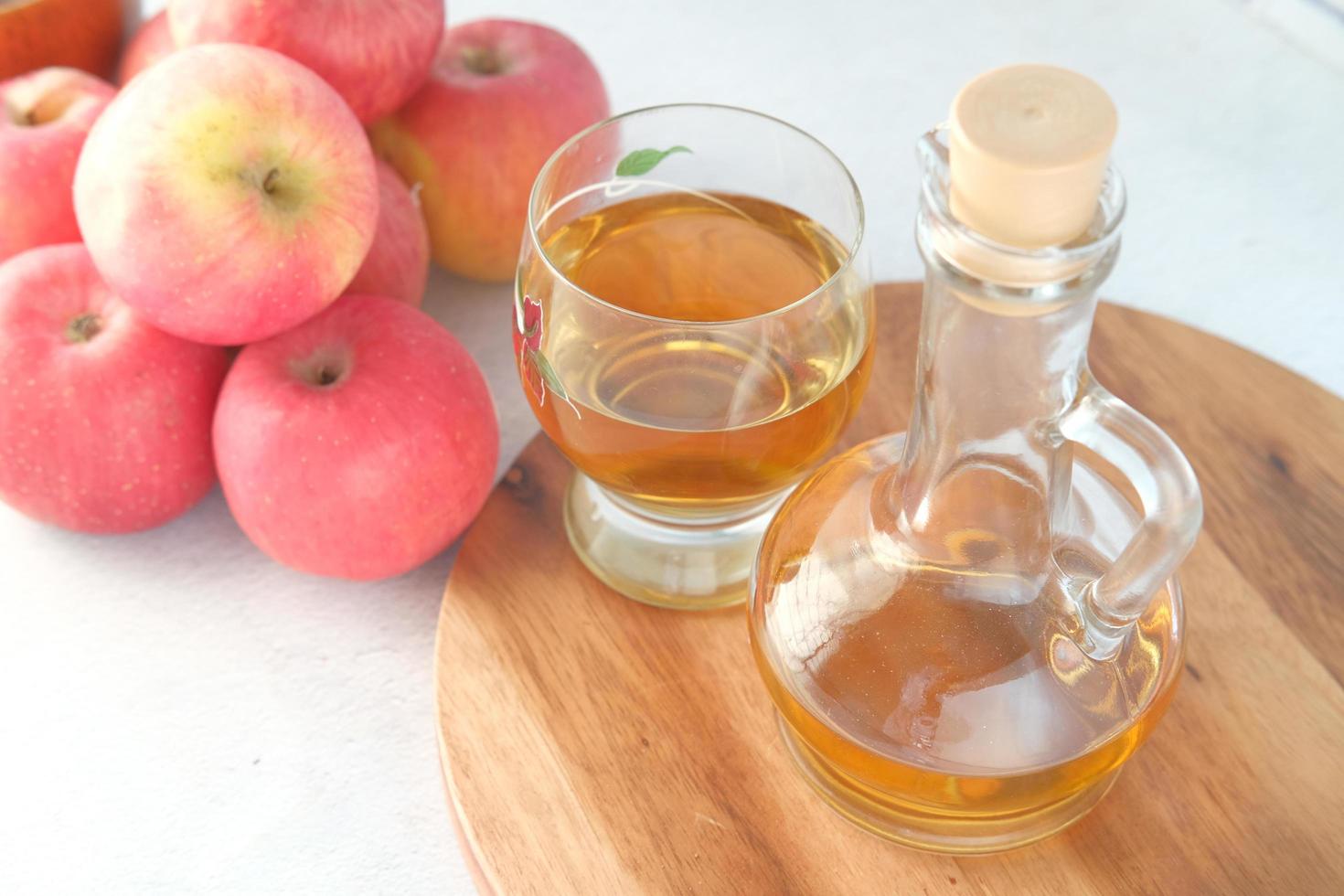
| Apple Cider Vinegar: Made from fermented apple juice, this vinegar has a fruity, tangy flavor and is often used in salad dressings, marinades, and as a condiment for fish and chips. |
| Balsamic Vinegar: Originating from Italy, this dark, sweet vinegar is made from grape must and aged in wooden barrels. It's great for salad dressings, drizzling over vegetables, or as a dipping sauce. |
| Wine Vinegar (Red or White): Produced from fermented wine, these vinegars offer a crisp, tart flavor. They're versatile in cooking and can be used in marinades, sauces, and dressings. |
| Rice Vinegar: A mild, slightly sweet vinegar made from fermented rice, it's commonly used in Asian cuisine. It's perfect for sushi rice, stir-fries, and light salad dressings. |
| Coconut Vinegar: Made from fermented coconut sap, this vinegar has a mild, slightly sweet taste. It's rich in nutrients and can be used in marinades, sauces, and as a substitute for other vinegars in recipes. |
Health Information
? Frequently Asked Questions
4 questions1 Is malt vinegar safe for celiacs?
2 Is there a gluten-free alternative to malt vinegar?
3 Why isn't malt vinegar gluten-free?
4 Is there gluten in malt vinegar Heinz?
Our Expert
Drs. Ilse van Asperen
Orthomolecular Therapist, Nutritional Coach & Professional Editor
Drs. Ilse van Asperen is a medical doctor specialising in orthomolecular therapy and nutritional coaching. With a background in public and clinical health research and management, she focuses on addressing the root causes of health issues through diet, gut health, and stress reduction. As a professional editor for Little Helpers, she reviews all gluten-free content to ensure accuracy, safety, and scientific credibility. Read more on Drs. Ilse van Asperen's own website
Our Sources
The information on this page is based on reputable health and nutrition organisations, ensuring accuracy and reliability for anyone following a gluten-free diet. For further details, see the sources below.