Is Paleo Diet Gluten Free?

Is Paleo Diet Gluten Free?

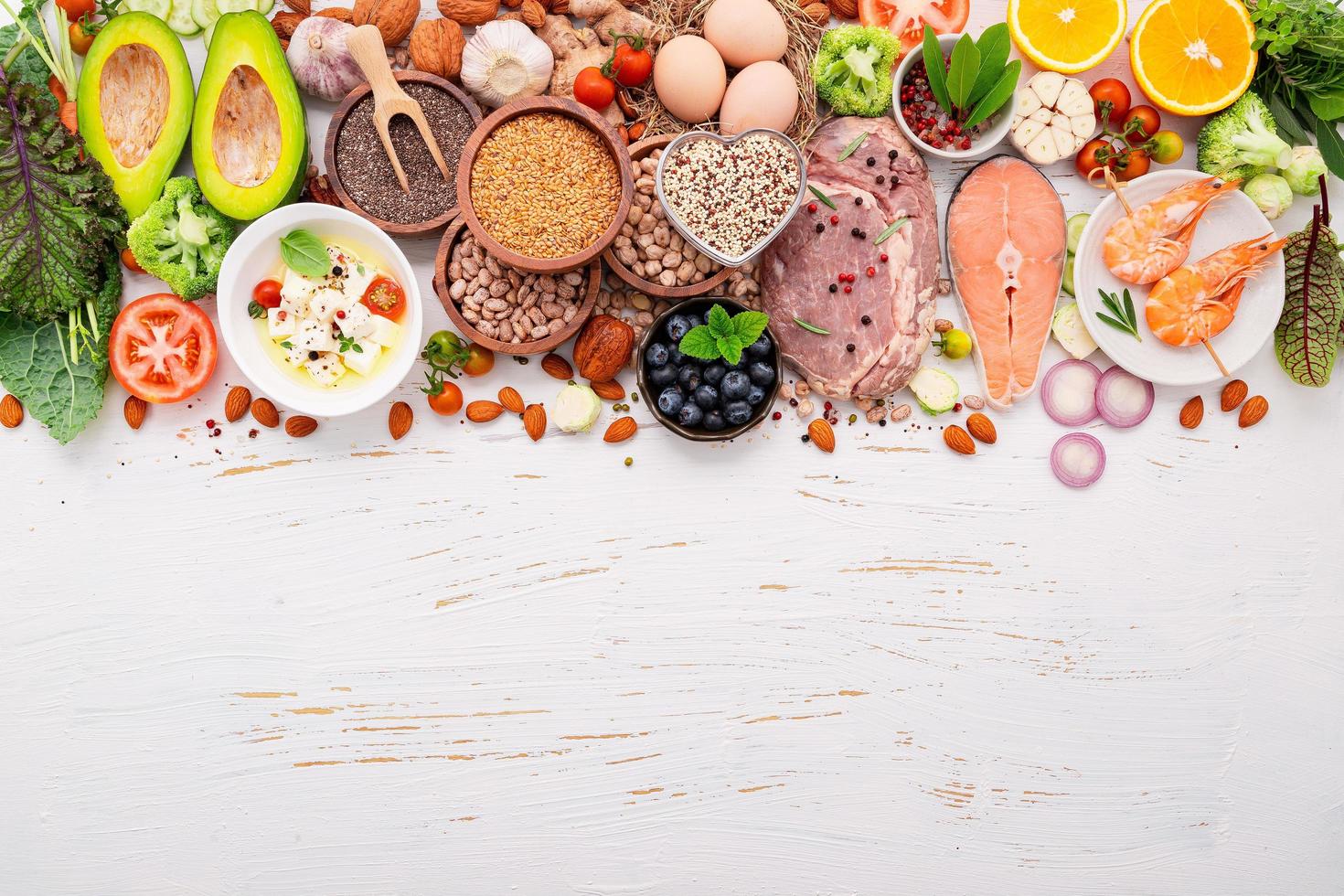
Yes, the Paleo diet is generally considered to be gluten-free. This is because the Paleo diet excludes grains, including wheat, barley, and rye, which are the primary sources of gluten in most diets.

TL;DR

Yes, the Paleo diet is generally considered to be gluten-free. This is because the Paleo diet excludes grains, including wheat, barley, and rye, which are the primary sources of gluten in most diets.

Quick Tips

1

Weight loss and improved body composition

2

Increased insulin sensitivity and better blood sugar control

3

Reduced inflammation in the body

# In This Article

3 sections

Quick navigation to each section of this article:

1 Benefits of Paleo Diet

Weight loss and improved body composition

Jump
2 Who should avoid Paleo Diet

People with kidney disease or reduced kidney function, due to the diet’s high protein content

Jump
3 Related Gluten Free Products

Here are five similar gluten-free options like the Paleo Diet, along with short descriptions:

Jump

Benefits of Paleo Diet

Benefits of Paleo Diet
Weight loss and improved body composition
Increased insulin sensitivity and better blood sugar control
Reduced inflammation in the body
Improved heart health and lower risk of cardiovascular disease
Better digestive health and reduced gastrointestinal issues
Increased nutrient density in the diet
Improved satiety and reduced hunger cravings
Potential reduction in allergies and food sensitivities
Enhanced athletic performance and recovery
Better sleep quality
Clearer skin and potential reduction in acne
Increased energy levels and improved mood
Reduced risk of autoimmune diseases
Lower risk of certain types of cancer
Improved brain function and reduced risk of neurodegenerative diseasesIt’s important to note that while many people report these benefits, scientific evidence varies, and the diet may not be suitable for everyone. Always consult with a healthcare professional before making significant changes to your diet.

Who should avoid Paleo Diet

Who should avoid Paleo Diet
People with kidney disease or reduced kidney function, due to the diet’s high protein content
Individuals with osteoporosis or at risk for bone loss, as the diet may limit calcium intake
Those with a history of eating disorders, as the restrictive nature of the diet could trigger disordered eating patterns
People with diabetes who are insulin-dependent, as the diet may affect blood sugar levels
Vegetarians and vegans, as the diet heavily relies on animal products
Individuals with high cholesterol, as the diet can be high in saturated fats
People with a history of heart disease, due to the potential increase in saturated fat intake
Those with digestive issues like irritable bowel syndrome (IBS), as the high fiber content may exacerbate symptoms
Endurance athletes or people with high energy needs, as the diet may not provide sufficient carbohydrates
Individuals with a history of diverticulitis, as the high fiber content may cause complications
Pregnant or breastfeeding women, who may require more varied nutrition
People on a tight budget, as the diet can be expensive due to its emphasis on high-quality meats and organic produce
Those with certain food allergies or intolerances that conflict with Paleo-approved foodsAlways consult with a healthcare professional or registered dietitian before starting any new diet, especially if you have pre-existing health conditions or concerns.
ENJOY YOUR FAVORITE FOODS FEARLESSLY!
Don’t let gluten hold you back. Take Anti-Gluten Pills before your meal and enjoy peace of mind.
SHOP ANTI-GLUTEN PILLS
Clinically proven · Up to 86% gluten reduction · Fast acting

Here are five similar gluten-free options like the Paleo Diet, along with short descriptions:

Related Gluten Free Products
Ketogenic Diet- High-fat, low-carb diet that induces ketosis- Emphasizes healthy fats, moderate protein, and very low carbohydrates- Gluten-free by nature, as it eliminates most grains
Autoimmune Protocol (AIP) Diet- Designed to reduce inflammation and autoimmune symptoms- Eliminates grains, legumes, dairy, nightshades, and other potential allergens- Focuses on nutrient-dense whole foods and gut health
Specific Carbohydrate Diet (SCD)- Developed to treat digestive disorders and celiac disease- Eliminates all grains, most dairy, and complex carbohydrates- Allows only specific carbohydrates that are easy to digest
GAPS Diet (Gut and Psychology Syndrome Diet)- Aims to heal the gut and improve mental health- Based on the SCD, but with additional focus on bone broth and fermented foods- Eliminates grains, processed foods, and most carbohydrates in its initial stagesThese diets all share similarities with the Paleo Diet in their focus on whole foods and elimination of gluten-containing grains, though each has its own specific rules and goals.

Health Information

? Frequently Asked Questions

4 questions
1 What is the difference between gluten-free and paleo diet?
The gluten-free diet specifically eliminates gluten, a protein found in wheat, barley, and rye, while the paleo diet is broader in scope. The paleo diet aims to mimic the eating habits of our prehistoric ancestors, excluding grains, legumes, dairy, and processed foods. While both diets exclude gluten-containing grains, the paleo diet is more restrictive overall. The gluten-free diet is often adopted for medical reasons like celiac disease, while the paleo diet is typically chosen for its potential health and weight loss benefits.
2 What are 5 negatives from the paleo diet?
The paleo diet can be overly restrictive, eliminating entire food groups like grains and legumes. It may lead to nutrient deficiencies, particularly in calcium and vitamin D. The diet can be expensive due to its emphasis on high-quality meats and organic produce. Some people may find it difficult to sustain long-term due to its strict rules and limitations.
3 Does paleo diet help celiac disease?
The paleo diet may be beneficial for some people with celiac disease. It naturally excludes gluten-containing grains, which is essential for managing celiac disease. However, the paleo diet is more restrictive than a standard gluten-free diet and may not be necessary for all celiac patients. It's important for individuals with celiac disease to consult with a healthcare professional or registered dietitian before making significant dietary changes.
4 Is the paleo diet inflammatory?
The paleo diet is generally considered anti-inflammatory by its proponents. It emphasizes whole foods like fruits, vegetables, nuts, and lean meats while eliminating processed foods, grains, and dairy. However, some research suggests the diet may actually increase certain inflammatory markers in some people. More studies are needed to definitively determine the diet's overall effects on inflammation.
LIVE GLUTEN-FREE WITHOUT THE FUSS!
Introducing Tolerase® G, clinically proven to reduce up to 86% of gluten in under 10 minutes. Experience the freedom to eat what you love.
SHOP ANTI-GLUTEN PILLS
150mg pure Tolerase® G · Reduces gluten by 86% · Under 10 minutes

Our Expert

Drs. Ilse van Asperen, Orthomolecular Therapist and Nutritional Coach

Drs. Ilse van Asperen

Orthomolecular Therapist, Nutritional Coach & Professional Editor

Drs. Ilse van Asperen is a medical doctor specialising in orthomolecular therapy and nutritional coaching. With a background in public and clinical health research and management, she focuses on addressing the root causes of health issues through diet, gut health, and stress reduction. As a professional editor for Little Helpers, she reviews all gluten-free content to ensure accuracy, safety, and scientific credibility. Read more on Drs. Ilse van Asperen's own website

Our Sources

The information on this page is based on reputable health and nutrition organisations, ensuring accuracy and reliability for anyone following a gluten-free diet. For further details, see the sources below.
Sources

Similar Articles

Back to blog