Is Palm Oil Gluten Free?

Is Palm Oil Gluten Free?

Yes, palm oil is naturally gluten-free. It is derived from the fruit of oil palm trees and does not contain any gluten proteins, making it safe for those with celiac disease or gluten sensitivity.

TL;DR

Yes, palm oil is naturally gluten-free. It is derived from the fruit of oil palm trees and does not contain any gluten proteins, making it safe for those with celiac disease or gluten sensitivity.

Quick Tips

1

Rich in vitamin E: Palm oil is a good source of tocotrienols, a form of vitamin E with antioxidant properties.

2

May support heart health: Some studies suggest palm oil might help reduce bad cholesterol levels.

3

Contains beta-carotene: A precursor to vitamin A, which is important for eye health and immune function.

# In This Article

3 sections

Quick navigation to each section of this article:

1 Benefits of Palm Oil

Rich in vitamin E: Palm oil is a good source of tocotrienols, a form of vitamin E with antioxidant properties.

Jump
2 Who should avoid Palm Oil

Those with palm oil allergies: Although rare, some individuals may have allergic reactions to palm oil.

Jump
3 Related Gluten Free Products

Here are five similar gluten-free options to Palm Oil, along with short descriptions:

Jump

Benefits of Palm Oil

Benefits of Palm Oil
Rich in vitamin E: Palm oil is a good source of tocotrienols, a form of vitamin E with antioxidant properties.
May support heart health: Some studies suggest palm oil might help reduce bad cholesterol levels.
Contains beta-carotene: A precursor to vitamin A, which is important for eye health and immune function.
Potential anti-inflammatory properties: Some components of palm oil may help reduce inflammation in the body.
May improve brain health: The vitamin E in palm oil might have neuroprotective effects.
Could aid in vitamin absorption: As a fat, it can help the body absorb fat-soluble vitamins (A, D, E, and K).
Potential anti-cancer properties: Some research suggests palm oil components might have anti-cancer effects, though more studies are needed.
May support skin health: When applied topically, palm oil might benefit skin hydration and elasticity.
Energy source: As a fat, palm oil provides a concentrated source of energy.
Stable at high temperatures: This makes it a healthier option for cooking compared to some other oils that oxidize easily.It’s important to note that while palm oil has these potential benefits, it’s also high in saturated fats, so it should be consumed in moderation as part of a balanced diet.

Who should avoid Palm Oil

Who should avoid Palm Oil
Those with palm oil allergies: Although rare, some individuals may have allergic reactions to palm oil.
People with certain genetic disorders: Individuals with disorders affecting fat metabolism, such as medium-chain acyl-CoA dehydrogenase (MCAD) deficiency, may need to avoid palm oil.
Individuals with cholesterol concerns: Palm oil is high in saturated fats, which may raise LDL (bad) cholesterol levels in some people.
Those with cardiovascular disease: Due to its high saturated fat content, people with heart disease may be advised to limit palm oil intake.
Individuals following specific diets: Some diets, such as certain plant-based or environmental sustainability-focused diets, may recommend avoiding palm oil.
People with ethical concerns: Those worried about deforestation and wildlife habitat destruction associated with palm oil production may choose to avoid it.
Individuals with sensitive skin: Some people may experience skin irritation from palm oil-based products in cosmetics or personal care items.
Those with specific health conditions: Some health conditions may require limiting saturated fat intake, which could include avoiding palm oil.Remember that individual dietary needs can vary, and it’s always best to consult with a healthcare professional or registered dietitian for personalized advice.
ENJOY YOUR FAVORITE FOODS FEARLESSLY!
Don’t let gluten hold you back. Take Anti-Gluten Pills before your meal and enjoy peace of mind.
SHOP ANTI-GLUTEN PILLS
Clinically proven · Up to 86% gluten reduction · Fast acting

Here are five similar gluten-free options to Palm Oil, along with short descriptions:

Related Gluten Free Products
Coconut Oil:A versatile oil extracted from coconut meat, known for its high saturated fat content and distinct flavor. It's solid at room temperature and often used in baking, cooking, and personal care products.
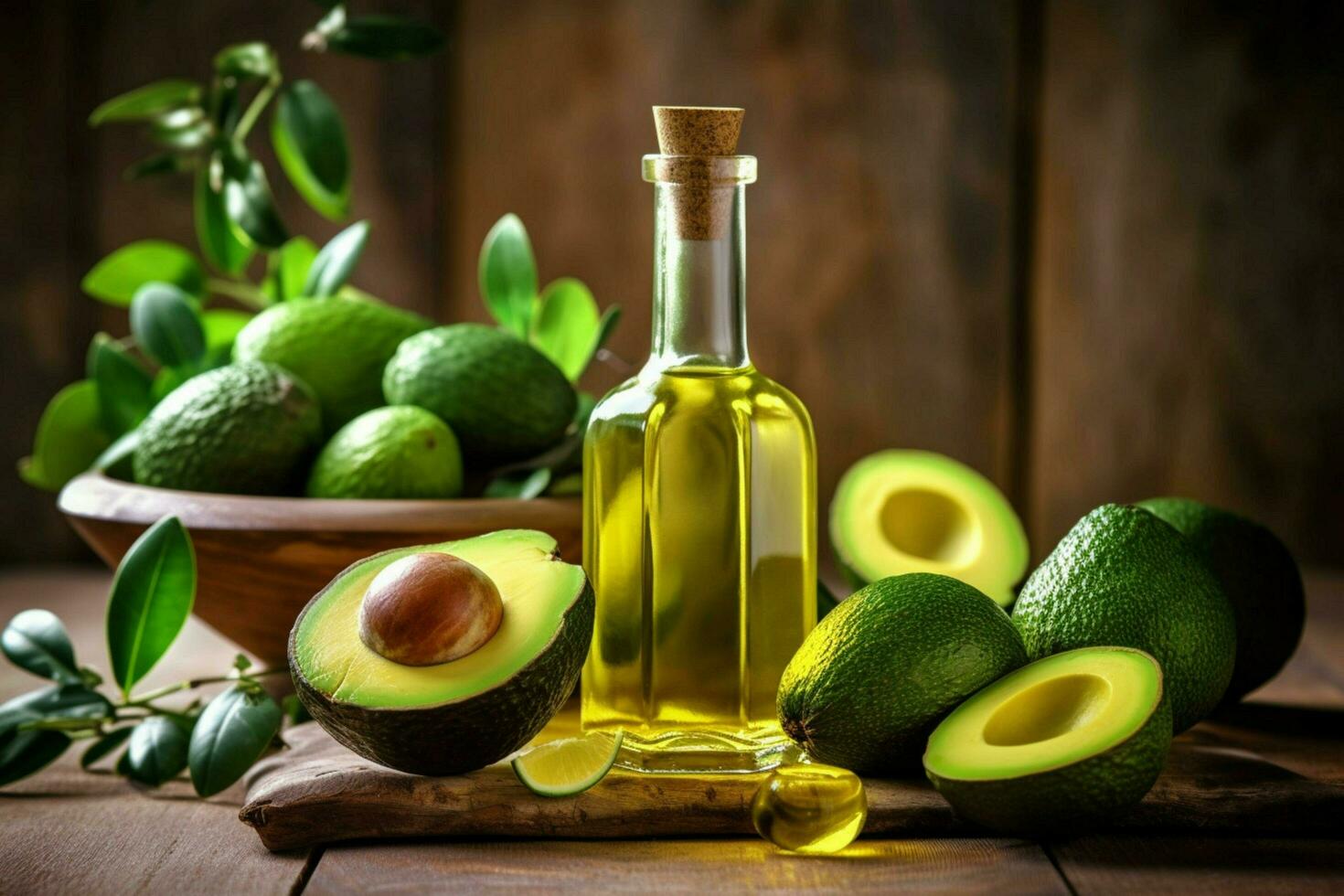
Avocado Oil:Extracted from avocados, this oil is rich in monounsaturated fats and has a high smoke point. It's ideal for cooking, frying, and as a salad dressing base, with a mild, buttery flavor.
Sunflower Oil:Pressed from sunflower seeds, this light oil is high in vitamin E and low in saturated fats. It has a neutral taste and is commonly used in cooking, baking, and as a base for salad dressings.
Olive Oil:Extracted from olives, this oil is rich in monounsaturated fats and antioxidants. It comes in various grades (extra virgin, virgin, refined) and is widely used in cooking, dressing, and as a flavor enhancer.
Grapeseed Oil:Derived from grape seeds, this oil has a high smoke point and neutral flavor. It's rich in polyunsaturated fats and vitamin E, making it suitable for cooking, baking, and as a base for salad dressings and marinades.

Health Information

? Frequently Asked Questions

4 questions
1 Is palm oil ok for celiacs?
Palm oil is generally considered safe for people with celiac disease. It is naturally gluten-free and does not contain any wheat, barley, or rye proteins. However, as with any food product, it's important to check labels for potential cross-contamination during processing. If you have any concerns, it's always best to consult with your doctor or a registered dietitian.
2 What oils are not gluten-free?
Most pure oils are naturally gluten-free. However, some specialty oils may contain gluten due to added flavorings or manufacturing processes. Wheat germ oil is not gluten-free as it's derived directly from wheat. Always check labels carefully, especially for flavored oils or those processed in facilities that also handle gluten-containing products.
3 What oil is safe for celiacs?
For celiacs, most pure, uncontaminated vegetable oils are safe to consume. This includes olive oil, coconut oil, avocado oil, and sunflower oil, among others. It's important to choose oils that are labeled as gluten-free to ensure there's no cross-contamination during processing. Always check the ingredient list and avoid any oils with added flavorings or seasonings that might contain gluten.
4 Why is palm oil avoided?
Palm oil is often avoided due to concerns about deforestation and habitat destruction. Its production has been linked to the loss of rainforests and the endangerment of species like orangutans. Some consumers also worry about the health impacts of palm oil in their diets. Additionally, there are ethical concerns about labor practices on some palm oil plantations.
LIVE GLUTEN-FREE WITHOUT THE FUSS!
Introducing Tolerase® G, clinically proven to reduce up to 86% of gluten in under 10 minutes. Experience the freedom to eat what you love.
SHOP ANTI-GLUTEN PILLS
150mg pure Tolerase® G · Reduces gluten by 86% · Under 10 minutes

Our Expert

Drs. Ilse van Asperen, Orthomolecular Therapist and Nutritional Coach

Drs. Ilse van Asperen

Orthomolecular Therapist, Nutritional Coach & Professional Editor

Drs. Ilse van Asperen is a medical doctor specialising in orthomolecular therapy and nutritional coaching. With a background in public and clinical health research and management, she focuses on addressing the root causes of health issues through diet, gut health, and stress reduction. As a professional editor for Little Helpers, she reviews all gluten-free content to ensure accuracy, safety, and scientific credibility. Read more on Drs. Ilse van Asperen's own website

Our Sources

The information on this page is based on reputable health and nutrition organisations, ensuring accuracy and reliability for anyone following a gluten-free diet. For further details, see the sources below.
Sources

Similar Articles

Back to blog