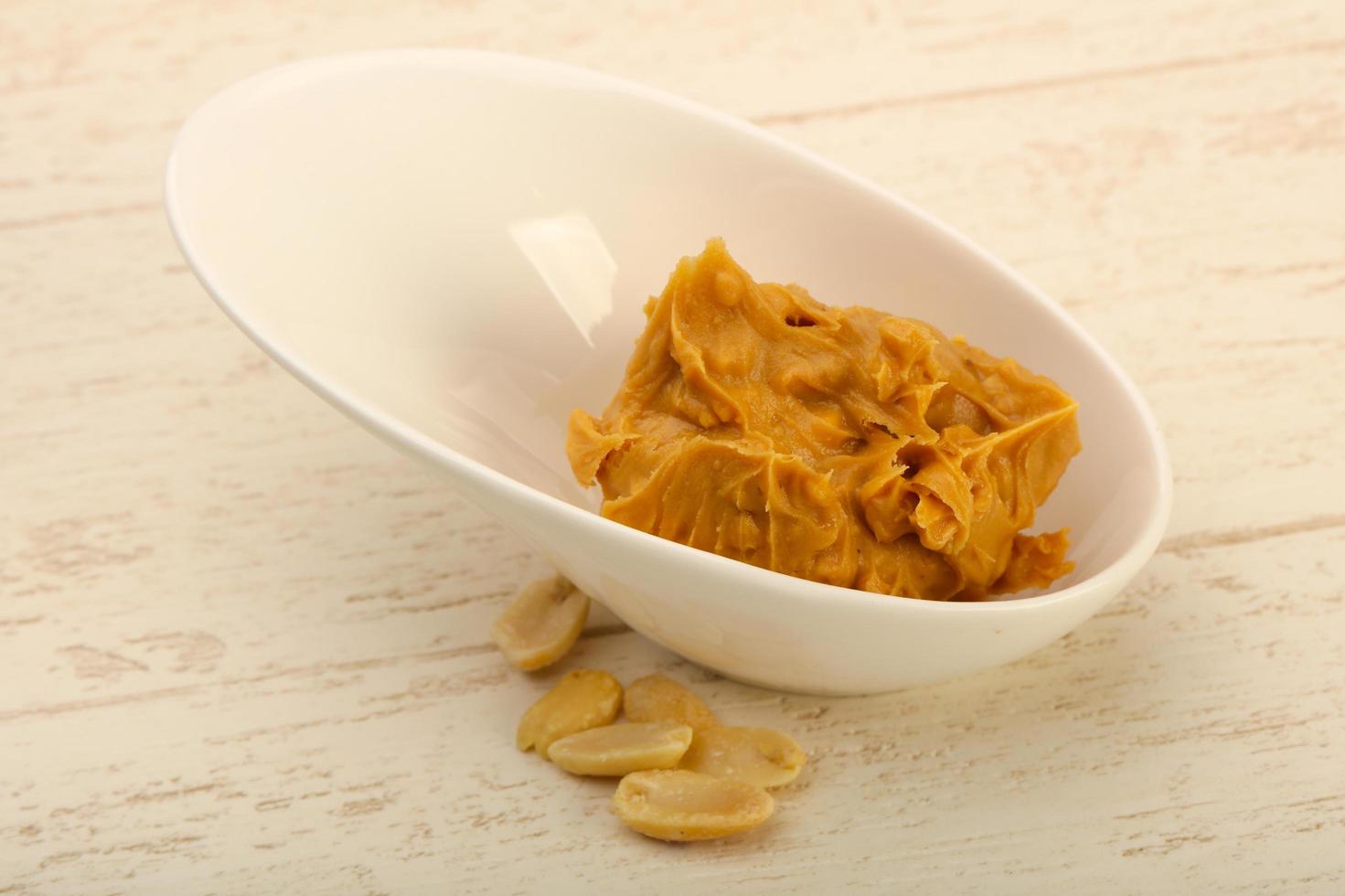
Is Peanut Gluten Free?

Is Peanut Gluten Free?

Yes, peanuts are naturally gluten-free. Pure peanut products, including raw peanuts and peanut butter without additives, do not contain gluten and are safe for those with celiac disease or gluten sensitivity to consume.

TL;DR

Yes, peanuts are naturally gluten-free. Pure peanut products, including raw peanuts and peanut butter without additives, do not contain gluten and are safe for those with celiac disease or gluten sensitivity to consume.

Quick Tips

1

Excellent source of protein: Peanuts are high in plant-based protein, which is essential for muscle growth and repair.

2

Heart health: Rich in monounsaturated and polyunsaturated fats that can help lower bad cholesterol levels.

3

Weight management: The protein and fiber content can help you feel full longer, potentially aiding in weight control.

# In This Article

3 sections

Quick navigation to each section of this article:

1 Benefits of Peanut

Excellent source of protein: Peanuts are high in plant-based protein, which is essential for muscle growth and repair.

Jump
2 Who should avoid Peanut

Individuals with diagnosed peanut allergies

Jump
3 Related Gluten Free Products

Here are five gluten-free options similar to peanuts, along with short descriptions:

Jump

Benefits of Peanut

Benefits of Peanut
Excellent source of protein: Peanuts are high in plant-based protein, which is essential for muscle growth and repair.
Heart health: Rich in monounsaturated and polyunsaturated fats that can help lower bad cholesterol levels.
Weight management: The protein and fiber content can help you feel full longer, potentially aiding in weight control.
Rich in antioxidants: Contain resveratrol, p-coumaric acid, and other antioxidants that fight cellular damage.
Good source of vitamins and minerals: Provide vitamins E, B3 (niacin), B1 (thiamin), folate, magnesium, phosphorus, and zinc.
May reduce diabetes risk: The low glycemic index can help regulate blood sugar levels.
Brain health: Contains niacin and vitamin E, which may protect against cognitive decline and Alzheimer’s disease.
Gallstone prevention: Regular consumption may lower the risk of gallstones in both men and women.
Anti-inflammatory properties: May help reduce inflammation in the body.
Skin health: The vitamin E content can contribute to healthy skin.
Fertility: Rich in folate, which is important for fetal development during pregnancy.Remember, while peanuts offer many health benefits, they are also calorie-dense and can cause allergic reactions in some individuals.

Who should avoid Peanut

Who should avoid Peanut
Individuals with diagnosed peanut allergies
People with a family history of peanut allergies, especially young children
Those who have experienced allergic reactions to other legumes or tree nuts
Individuals who have tested positive for peanut sensitivity in allergy tests
People with severe asthma or other existing food allergies, as they may be at higher risk for peanut allergies
Infants under 6 months of age, as per pediatric recommendations
Those who have been advised by their healthcare provider to avoid peanuts due to specific health conditions
Individuals experiencing unexplained allergic symptoms after consuming foods that may contain peanuts
People undergoing oral immunotherapy for peanut allergies, except under medical supervision
Those with exercise-induced anaphylaxis triggered by peanut consumptionRemember, if you suspect a peanut allergy, consult with an allergist or healthcare professional for proper diagnosis and guidance.
ENJOY YOUR FAVORITE FOODS FEARLESSLY!
Don’t let gluten hold you back. Take Anti-Gluten Pills before your meal and enjoy peace of mind.
SHOP ANTI-GLUTEN PILLS
Clinically proven · Up to 86% gluten reduction · Fast acting

Here are five gluten-free options similar to peanuts, along with short descriptions:

Related Gluten Free Products
Almonds: Nutrient-dense tree nuts rich in vitamin E, fiber, and healthy fats. They have a mild, slightly sweet flavor and can be eaten raw, roasted, or used in various recipes.
Cashews: Creamy, kidney-shaped nuts with a buttery texture and subtle sweetness. They're high in iron, zinc, and magnesium, and are versatile in both sweet and savory dishes.
Pistachios: Green-colored nuts with a distinctive flavor, high in protein and antioxidants. They're often eaten as a snack but can also be used in baking and cooking.
Sunflower seeds: Small, nutty-flavored seeds packed with vitamin E, selenium, and healthy fats. They can be eaten raw, roasted, or used as a topping for salads and baked goods.
Pumpkin seeds: Also known as pepitas, these flat, oval seeds are rich in iron, zinc, and omega-3 fatty acids. They have a slightly chewy texture and can be eaten as a snack or used in various recipes.

Health Information

? Frequently Asked Questions

4 questions
1 Why are peanuts not gluten-free?
Peanuts are naturally gluten-free. They do not contain gluten, which is a protein found in wheat, barley, and rye. The misconception that peanuts contain gluten likely stems from cross-contamination concerns or confusion with other nuts. In their pure form, peanuts are safe for those with celiac disease or gluten sensitivity to consume.
2 What nuts are not gluten-free?
All nuts in their natural, unprocessed form are inherently gluten-free. However, some packaged or processed nuts may contain gluten due to cross-contamination or added ingredients. For example, some flavored or coated nuts might use wheat-based ingredients or be processed in facilities that also handle gluten-containing products. It's always best to check the label or contact the manufacturer if you have concerns about gluten in packaged nut products.
3 Is Jif peanut gluten-free?
Yes, Jif peanut butter is generally considered gluten-free. The main ingredients in Jif peanut butter are typically peanuts, sugar, molasses, and vegetable oils, none of which contain gluten. However, it's always important to check the label for the most up-to-date information, as product formulations can change. Those with severe gluten sensitivities or celiac disease should also be aware of potential cross-contamination risks in manufacturing facilities.
4 Are peanuts bad for celiac disease?
Peanuts themselves are not inherently bad for people with celiac disease. Peanuts are naturally gluten-free and can be safely consumed by those with celiac disease. However, it's important to be cautious about potential cross-contamination during processing or packaging. Always check labels and choose peanut products that are certified gluten-free to ensure safety.
LIVE GLUTEN-FREE WITHOUT THE FUSS!
Introducing Tolerase® G, clinically proven to reduce up to 86% of gluten in under 10 minutes. Experience the freedom to eat what you love.
SHOP ANTI-GLUTEN PILLS
150mg pure Tolerase® G · Reduces gluten by 86% · Under 10 minutes

Our Expert

Drs. Ilse van Asperen, Orthomolecular Therapist and Nutritional Coach

Drs. Ilse van Asperen

Orthomolecular Therapist, Nutritional Coach & Professional Editor

Drs. Ilse van Asperen is a medical doctor specialising in orthomolecular therapy and nutritional coaching. With a background in public and clinical health research and management, she focuses on addressing the root causes of health issues through diet, gut health, and stress reduction. As a professional editor for Little Helpers, she reviews all gluten-free content to ensure accuracy, safety, and scientific credibility. Read more on Drs. Ilse van Asperen's own website

Our Sources

The information on this page is based on reputable health and nutrition organisations, ensuring accuracy and reliability for anyone following a gluten-free diet. For further details, see the sources below.
Sources

Similar Articles

Back to blog