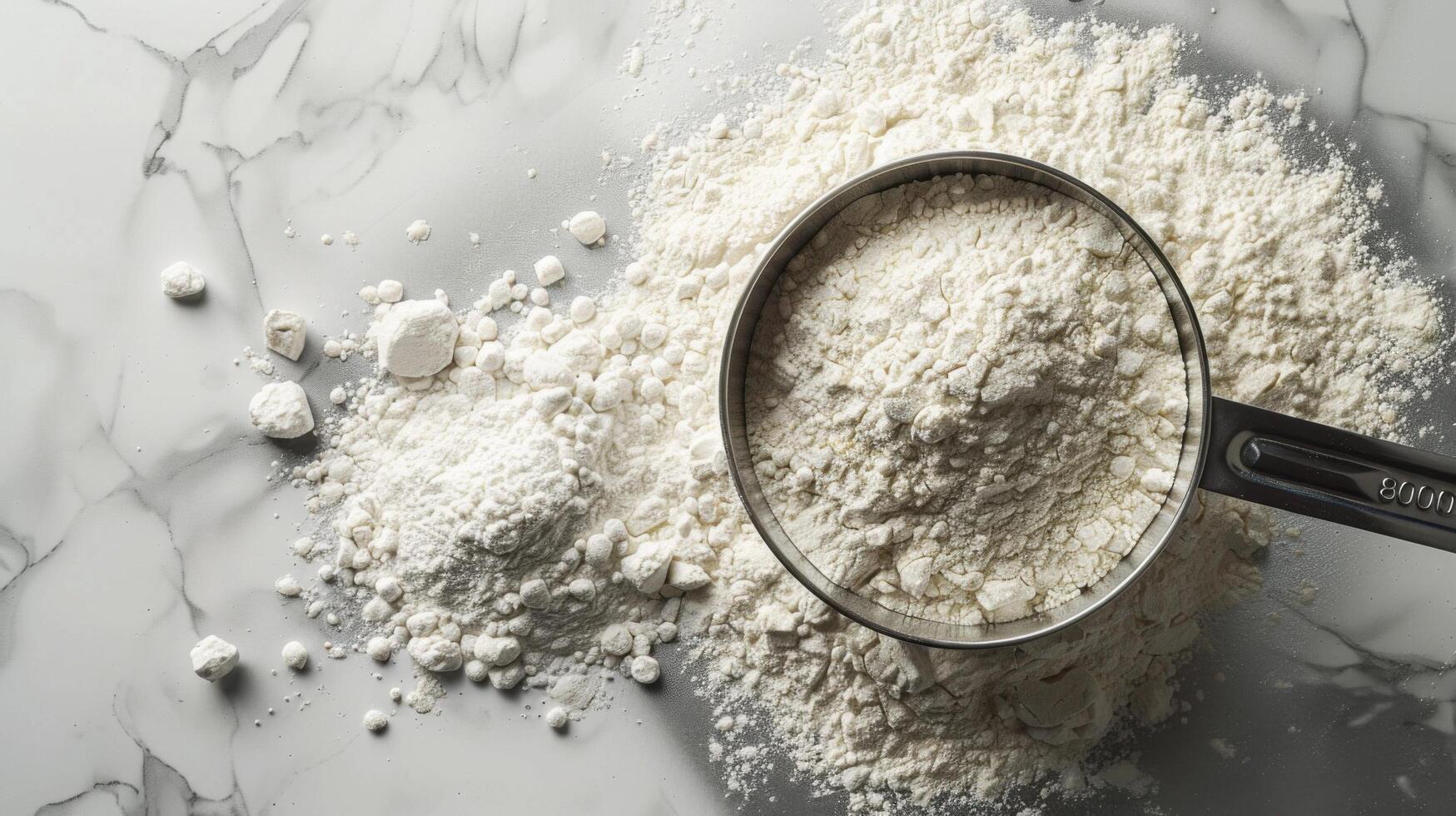
Is Powdered Cellulose Gluten Free?

Is Powdered Cellulose Gluten Free?

Yes, powdered cellulose is gluten-free. It is derived from plant fiber, typically from wood pulp or cotton, and does not contain any gluten proteins found in wheat, barley, or rye.

TL;DR

Yes, powdered cellulose is gluten-free. It is derived from plant fiber, typically from wood pulp or cotton, and does not contain any gluten proteins found in wheat, barley, or rye.

Quick Tips

1

Promotes digestive health: Acts as a bulking agent and helps maintain regular bowel movements

2

Supports weight management: Creates a feeling of fullness, potentially reducing overall calorie intake

3

Helps control blood sugar: May slow the absorption of sugar, aiding in blood glucose regulation

# In This Article

3 sections

Quick navigation to each section of this article:

1 Benefits of Powdered Cellulose

Promotes digestive health: Acts as a bulking agent and helps maintain regular bowel movements

Jump
2 Who should avoid Powdered Cellulose

People with cellulose sensitivity or allergy: Although rare, some individuals may have an allergic reaction to cellulose.

Jump
3 Related Gluten Free Products

Here are five similar gluten-free options to Powdered Cellulose, along with short descriptions:

Jump

Benefits of Powdered Cellulose

Benefits of Powdered Cellulose
Promotes digestive health: Acts as a bulking agent and helps maintain regular bowel movements
Supports weight management: Creates a feeling of fullness, potentially reducing overall calorie intake
Helps control blood sugar: May slow the absorption of sugar, aiding in blood glucose regulation
Lowers cholesterol: Can bind to cholesterol in the digestive tract, reducing its absorption
Provides prebiotic benefits: Feeds beneficial gut bacteria, supporting a healthy microbiome
Aids in detoxification: Helps remove toxins from the body through improved bowel movements
Supports heart health: May contribute to lower blood pressure and reduced risk of heart disease
Improves mineral absorption: Can enhance the absorption of certain minerals like calcium
Gluten-free alternative: Useful for those with celiac disease or gluten sensitivity
Low in calories: Adds bulk to foods without significantly increasing calorie content
Potential anti-inflammatory effects: May help reduce inflammation in the body
Supports healthy aging: Contains antioxidants that may protect against cellular damageIt’s important to note that while powdered cellulose offers these potential benefits, it should be consumed as part of a balanced diet and in moderation. Excessive intake may lead to digestive discomfort in some individuals.

Who should avoid Powdered Cellulose

Who should avoid Powdered Cellulose
People with cellulose sensitivity or allergy: Although rare, some individuals may have an allergic reaction to cellulose.
Those with digestive disorders: Individuals with conditions like irritable bowel syndrome (IBS), Crohn’s disease, or ulcerative colitis may experience discomfort or exacerbated symptoms.
People on a low-fiber diet: As cellulose is a form of insoluble fiber, those on medically prescribed low-fiber diets should avoid it.
Individuals prone to intestinal blockages: In rare cases, excessive consumption of powdered cellulose could potentially contribute to intestinal blockages in susceptible individuals.
Those with difficulty swallowing: Powdered cellulose can absorb water and expand, potentially causing choking in people with swallowing difficulties.
Individuals taking certain medications: Cellulose might interfere with the absorption of some medications, so it’s best to consult a healthcare provider.
People preparing for certain medical procedures: Some medical tests or surgeries may require limiting fiber intake, including cellulose.
Infants and young children: Their digestive systems may not be developed enough to handle large amounts of cellulose.
Those with a history of eating disorders: In some cases, the non-caloric bulk provided by cellulose could be misused by individuals with eating disorders.Always consult with a healthcare professional if you have concerns about consuming powdered cellulose, especially if you have any pre-existing health conditions.
ENJOY YOUR FAVORITE FOODS FEARLESSLY!
Don’t let gluten hold you back. Take Anti-Gluten Pills before your meal and enjoy peace of mind.
SHOP ANTI-GLUTEN PILLS
Clinically proven · Up to 86% gluten reduction · Fast acting

Here are five similar gluten-free options to Powdered Cellulose, along with short descriptions:

Related Gluten Free Products
Guar Gum- Derived from guar beans, this powder is used as a thickener and binder in various food products. It helps improve texture and moisture retention in gluten-free baked goods.
Psyllium Husk- A fiber derived from plantain seeds, it's used as a binding agent in gluten-free baking. It helps improve texture and provides a good source of dietary fiber.
Methylcellulose- A chemically modified form of cellulose, it's used as a thickener, emulsifier, and binding agent in gluten-free foods. It helps improve texture and moisture retention.
Carrageenan- Extracted from red seaweed, this natural ingredient is used as a thickener, stabilizer, and gelling agent in various food products. It helps improve texture and mouthfeel in gluten-free foods.These alternatives can be used in various gluten-free food applications to improve texture, stability, and overall quality, similar to powdered cellulose.

Health Information

? Frequently Asked Questions

4 questions
1 Can cellulose be made from wheat?
Yes, cellulose can be made from wheat. Wheat straw, which is the stalk left over after harvesting wheat grains, contains significant amounts of cellulose. The cellulose can be extracted from wheat straw through various chemical and mechanical processes. This wheat-derived cellulose can then be used in a variety of applications, including paper production, textiles, and as a feedstock for biofuels.
2 Is all shredded cheese gluten-free?
Not all shredded cheese is gluten-free. While cheese itself is naturally gluten-free, some pre-shredded cheeses may contain anti-caking agents or other additives that contain gluten. It's important to check the ingredient list or look for a "gluten-free" label if you need to avoid gluten. For those with celiac disease or gluten sensitivity, it's safest to buy block cheese and shred it yourself or choose specifically labeled gluten-free shredded cheese options.
3 Can celiacs have cellulose gum?
Cellulose gum is generally considered safe for people with celiac disease. It is derived from plant sources and does not contain gluten. However, as with any food ingredient, some individuals may have sensitivities or allergies to cellulose gum unrelated to celiac disease. It's always best for those with celiac disease to consult their doctor or dietitian about specific ingredients if they have concerns.
4 What cheese is not gluten-free?
Most cheese is naturally gluten-free. However, some processed cheeses or cheese products may contain gluten as an additive or from cross-contamination during manufacturing. Examples of cheeses that may contain gluten include beer-washed cheeses, blue cheese (if the mold is grown on bread), and some cheese spreads or dips. It's always best to check the label or contact the manufacturer if you have concerns about gluten in cheese products.
LIVE GLUTEN-FREE WITHOUT THE FUSS!
Introducing Tolerase® G, clinically proven to reduce up to 86% of gluten in under 10 minutes. Experience the freedom to eat what you love.
SHOP ANTI-GLUTEN PILLS
150mg pure Tolerase® G · Reduces gluten by 86% · Under 10 minutes

Our Expert

Drs. Ilse van Asperen, Orthomolecular Therapist and Nutritional Coach

Drs. Ilse van Asperen

Orthomolecular Therapist, Nutritional Coach & Professional Editor

Drs. Ilse van Asperen is a medical doctor specialising in orthomolecular therapy and nutritional coaching. With a background in public and clinical health research and management, she focuses on addressing the root causes of health issues through diet, gut health, and stress reduction. As a professional editor for Little Helpers, she reviews all gluten-free content to ensure accuracy, safety, and scientific credibility. Read more on Drs. Ilse van Asperen's own website

Our Sources

The information on this page is based on reputable health and nutrition organisations, ensuring accuracy and reliability for anyone following a gluten-free diet. For further details, see the sources below.
Sources

Similar Articles

Back to blog