Share
TL;DR
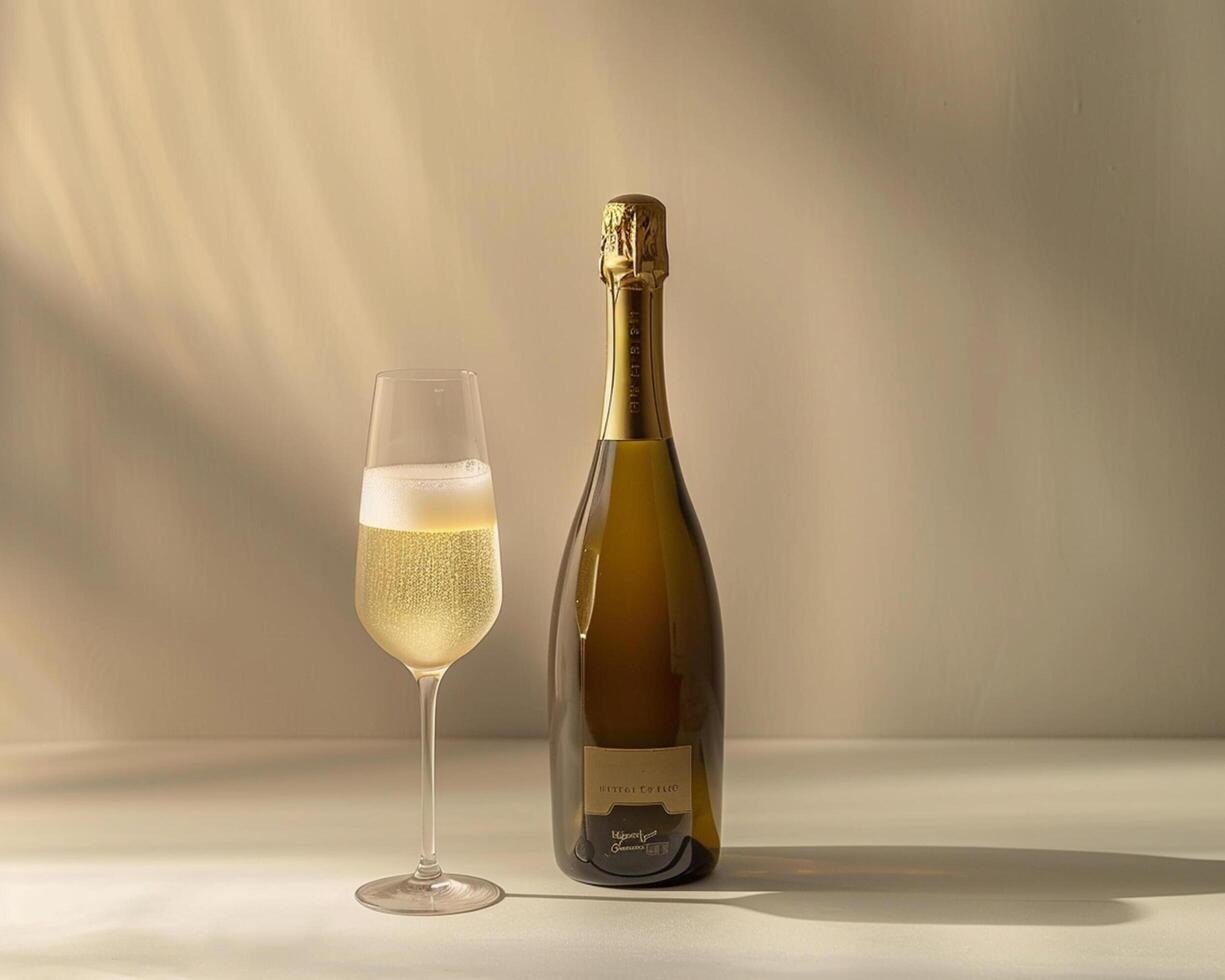
Yes, Prosecco is generally considered gluten-free. As a sparkling wine made primarily from grapes, it does not contain any gluten-containing ingredients in its production process.
Quick Tips
1Low calorie content: Prosecco typically contains fewer calories than other alcoholic beverages.
2Antioxidants: Contains polyphenols, which may help protect against cell damage.
3Heart health: Moderate consumption may improve cardiovascular health by increasing HDL (good) cholesterol.
# In This Article
3 sectionsQuick navigation to each section of this article:
1 Benefits of Prosecco
Low calorie content: Prosecco typically contains fewer calories than other alcoholic beverages.
Jump2 Who should avoid Prosecco
Pregnant women: Alcohol consumption during pregnancy can lead to fetal alcohol spectrum disorders.
Jump3 Related Gluten Free Products
Here are five gluten-free options similar to Prosecco, along with short descriptions:
JumpBenefits of Prosecco
| Benefits of Prosecco |
|---|
| Low calorie content: Prosecco typically contains fewer calories than other alcoholic beverages. |
| Antioxidants: Contains polyphenols, which may help protect against cell damage. |
| Heart health: Moderate consumption may improve cardiovascular health by increasing HDL (good) cholesterol. |
| Reduced stress: Can help relax and reduce stress levels when consumed responsibly. |
| Improved cognitive function: Some studies suggest moderate wine consumption may support brain health. |
| Bone health: May contribute to increased bone density. |
| Lower risk of diabetes: Moderate consumption has been associated with a reduced risk of type 2 diabetes. |
| Improved lung function: Some research suggests it may have a positive effect on lung function. |
| Longevity: Moderate wine consumption has been linked to increased life expectancy in some studies. |
| Reduced inflammation: Contains anti-inflammatory properties that may benefit overall health.Remember, these benefits are associated with moderate consumption. Excessive alcohol intake can lead to numerous health problems and negate any potential benefits. |
Who should avoid Prosecco
| Who should avoid Prosecco |
|---|
| Pregnant women: Alcohol consumption during pregnancy can lead to fetal alcohol spectrum disorders. |
| Individuals with alcohol use disorders or those in recovery from alcoholism. |
| People taking medications that interact negatively with alcohol, such as certain antibiotics, antidepressants, or blood thinners. |
| Those with liver disease or other conditions that affect alcohol metabolism. |
| Individuals with gout, as the purines in wine can trigger flare-ups. |
| People with sulfite sensitivities, as Prosecco often contains sulfites. |
| Those with a history of migraines triggered by alcohol or wine specifically. |
| Individuals following religions or lifestyles that prohibit alcohol consumption. |
| People with certain digestive issues that are aggravated by carbonated beverages. |
| Individuals with a history of alcohol-induced pancreatitis. |
| Those who need to avoid empty calories for health or weight management reasons. |
| People operating heavy machinery or vehicles, or engaging in activities requiring full concentration. |
| Individuals under the legal drinking age in their jurisdiction.Always consult with a healthcare professional for personalized advice regarding alcohol consumption. |
Related Gluten Free Products
Here are five gluten-free options similar to Prosecco, along with short descriptions:
| Related Gluten Free Products |
|---|
| Champagne: A sparkling wine from the Champagne region of France, made primarily from Chardonnay, Pinot Noir, and Pinot Meunier grapes. It's known for its crisp acidity, fine bubbles, and complex flavors. |
| Cava: A Spanish sparkling wine produced mainly in Catalonia using the traditional method. It's typically made from Macabeo, Parellada, and Xarel-lo grapes, offering a dry, crisp taste with subtle fruit flavors. |
| Crémant: A French sparkling wine made using the traditional method but outside the Champagne region. It's produced in various regions of France, each with its own unique characteristics and grape varieties. |
| Franciacorta: An Italian sparkling wine from Lombardy, made using the traditional method with Chardonnay, Pinot Noir, and Pinot Blanc grapes. It's known for its elegance, complexity, and fine bubbles. |
| Sekt: A German sparkling wine that can be made using various methods and grape varieties. It ranges from dry to sweet and can be produced from both German and imported grapes, offering a diverse range of styles and flavors.All of these options are naturally gluten-free, as they are made from grapes and do not contain any gluten-containing ingredients or additives. |
Health Information
? Frequently Asked Questions
4 questions1 What alcohol can celiacs drink?
2 Does Lamarca Prosecco have gluten?
3 What alcohol does not have gluten?
4 Why is Champagne not gluten-free?
Our Expert
Drs. Ilse van Asperen
Orthomolecular Therapist, Nutritional Coach & Professional Editor
Drs. Ilse van Asperen is a medical doctor specialising in orthomolecular therapy and nutritional coaching. With a background in public and clinical health research and management, she focuses on addressing the root causes of health issues through diet, gut health, and stress reduction. As a professional editor for Little Helpers, she reviews all gluten-free content to ensure accuracy, safety, and scientific credibility. Read more on Drs. Ilse van Asperen's own website
Our Sources
The information on this page is based on reputable health and nutrition organisations, ensuring accuracy and reliability for anyone following a gluten-free diet. For further details, see the sources below.