Share
TL;DR
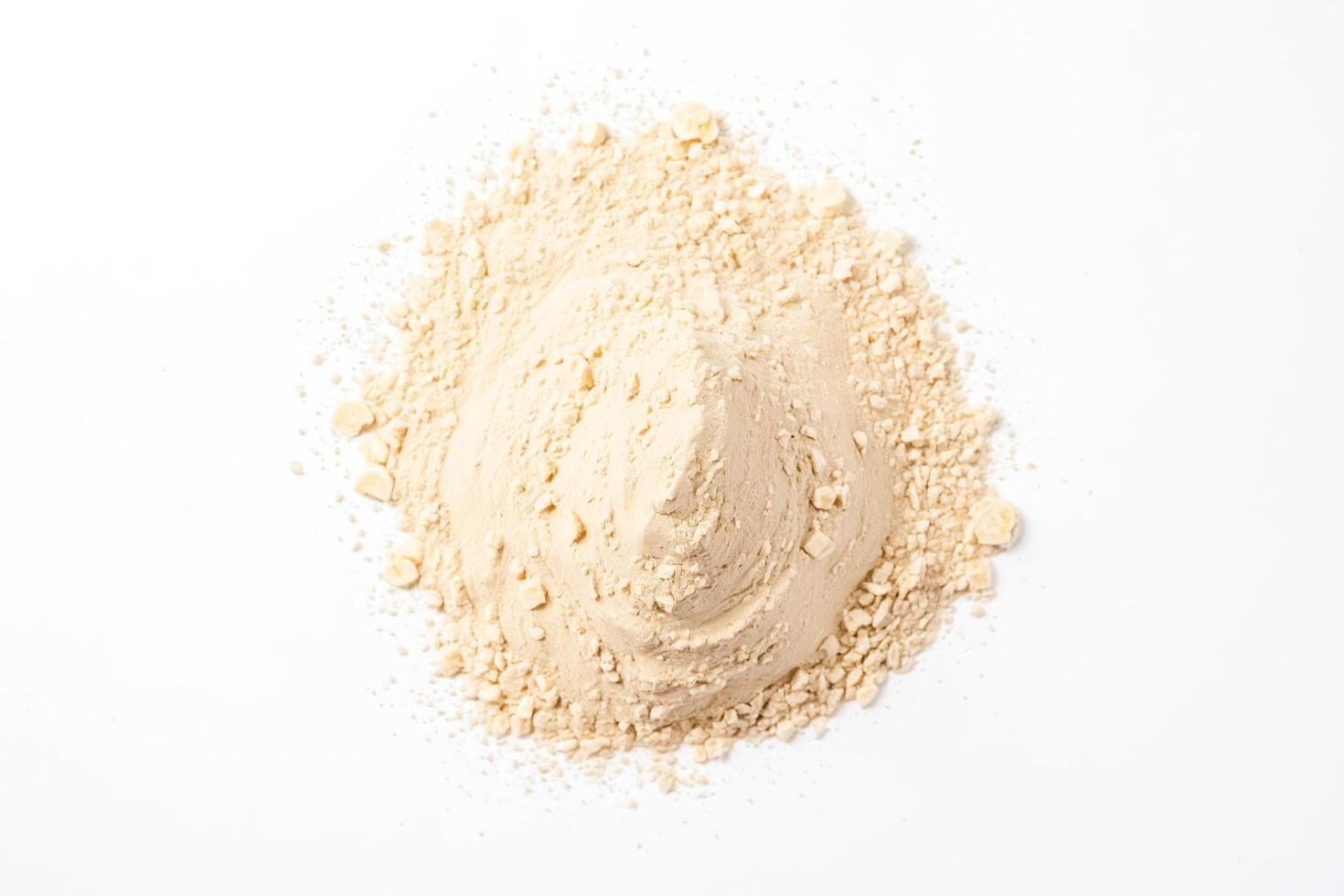
Generally speaking, most pure protein powders are gluten-free, as they are typically made from sources like whey, casein, egg, pea, or rice protein which do not naturally contain gluten. However, it’s important to always check the label and ingredient list, as some protein powders may contain added ingredients that include gluten or may be processed in facilities that also handle gluten-containing products, potentially leading to cross-contamination.
Quick Tips
1Supports muscle growth and repair
2Aids in weight management and satiety
3Helps with post-workout recovery
# In This Article
3 sectionsQuick navigation to each section of this article:
Benefits of Protein Powder
| Benefits of Protein Powder |
|---|
| Supports muscle growth and repair |
| Aids in weight management and satiety |
| Helps with post-workout recovery |
| Can supplement protein intake for those with dietary restrictions |
| May help maintain bone health |
| Supports healthy aging and preservation of lean body mass |
| Can boost metabolism |
| Provides essential amino acids for various bodily functions |
| May help control blood sugar levels |
| Can support immune system function |
| Convenient source of protein for busy lifestyles |
| May help reduce blood pressure |
| Can aid in wound healing |
| Supports hair, skin, and nail health |
| May help reduce inflammation in the bodyIt’s important to note that the specific benefits can vary depending on the type of protein powder (whey, casein, soy, pea, etc.) and individual health factors. Always consult with a healthcare professional before adding supplements to your diet. |
Who should avoid Protein Powder
| Who should avoid Protein Powder |
|---|
| People with kidney disease or reduced kidney function |
| Those with dairy allergies or lactose intolerance (for whey or casein-based protein powders) |
| Individuals with gout or at high risk for gout |
| People with certain inherited metabolic disorders (e.g., phenylketonuria for some protein powders) |
| Pregnant or breastfeeding women (unless approved by a healthcare provider) |
| Children and adolescents (unless recommended by a pediatrician) |
| Those taking certain medications that may interact with protein supplements |
| People with digestive disorders or sensitivities |
| Individuals with a history of eating disorders |
| Those who already consume adequate protein through their regular diet |
| People with liver disease or reduced liver function |
| Individuals with a history of calcium oxalate kidney stones |
| Those with certain hormone-sensitive conditions (for soy protein powders) |
| People allergic to specific ingredients commonly found in protein powdersIt’s always best to consult with a healthcare professional before adding protein powder or any supplement to your diet, especially if you have any pre-existing health conditions or concerns. |
Gluten Free Alternatives
Here are five gluten-free alternatives to protein powder, along with short descriptions for each:
| Gluten Free Alternatives |
|---|
| Pea Protein:A plant-based protein derived from yellow split peas. It's hypoallergenic, easily digestible, and rich in essential amino acids. Pea protein has a smooth texture and mild flavor, making it versatile for various recipes. |
| Hemp Protein:Made from ground hemp seeds, this protein is rich in omega-3 fatty acids and contains all nine essential amino acids. It has a nutty flavor and grainy texture, providing additional fiber and minerals to your diet. |
| Rice Protein:Derived from brown rice, this hypoallergenic protein is easily digestible and gentle on the stomach. It's low in lysine but can be combined with other protein sources for a complete amino acid profile. Rice protein has a slightly gritty texture and mild taste. |
| Egg White Protein:A highly bioavailable protein source made from dehydrated egg whites. It's rich in essential amino acids and particularly high in leucine, which supports muscle growth and recovery. Egg white protein has a neutral flavor and mixes well in shakes. |
| Collagen Peptides:Derived from animal connective tissues, collagen peptides support skin, hair, nail, and joint health. While not a complete protein, it's rich in specific amino acids like glycine and proline. Collagen is flavorless and dissolves easily in both hot and cold liquids. |
Health Information
? Frequently Asked Questions
4 questions1 Can celiacs eat whey powder?
2 What is the best protein for celiac disease?
3 Is my protein gluten-free?
4 Is now protein powder gluten-free?
Our Expert
Drs. Ilse van Asperen
Orthomolecular Therapist, Nutritional Coach & Professional Editor
Drs. Ilse van Asperen is a medical doctor specialising in orthomolecular therapy and nutritional coaching. With a background in public and clinical health research and management, she focuses on addressing the root causes of health issues through diet, gut health, and stress reduction. As a professional editor for Little Helpers, she reviews all gluten-free content to ensure accuracy, safety, and scientific credibility. Read more on Drs. Ilse van Asperen's own website
Our Sources
The information on this page is based on reputable health and nutrition organisations, ensuring accuracy and reliability for anyone following a gluten-free diet. For further details, see the sources below.