Is Queso Gluten Free?

Is Queso Gluten Free?

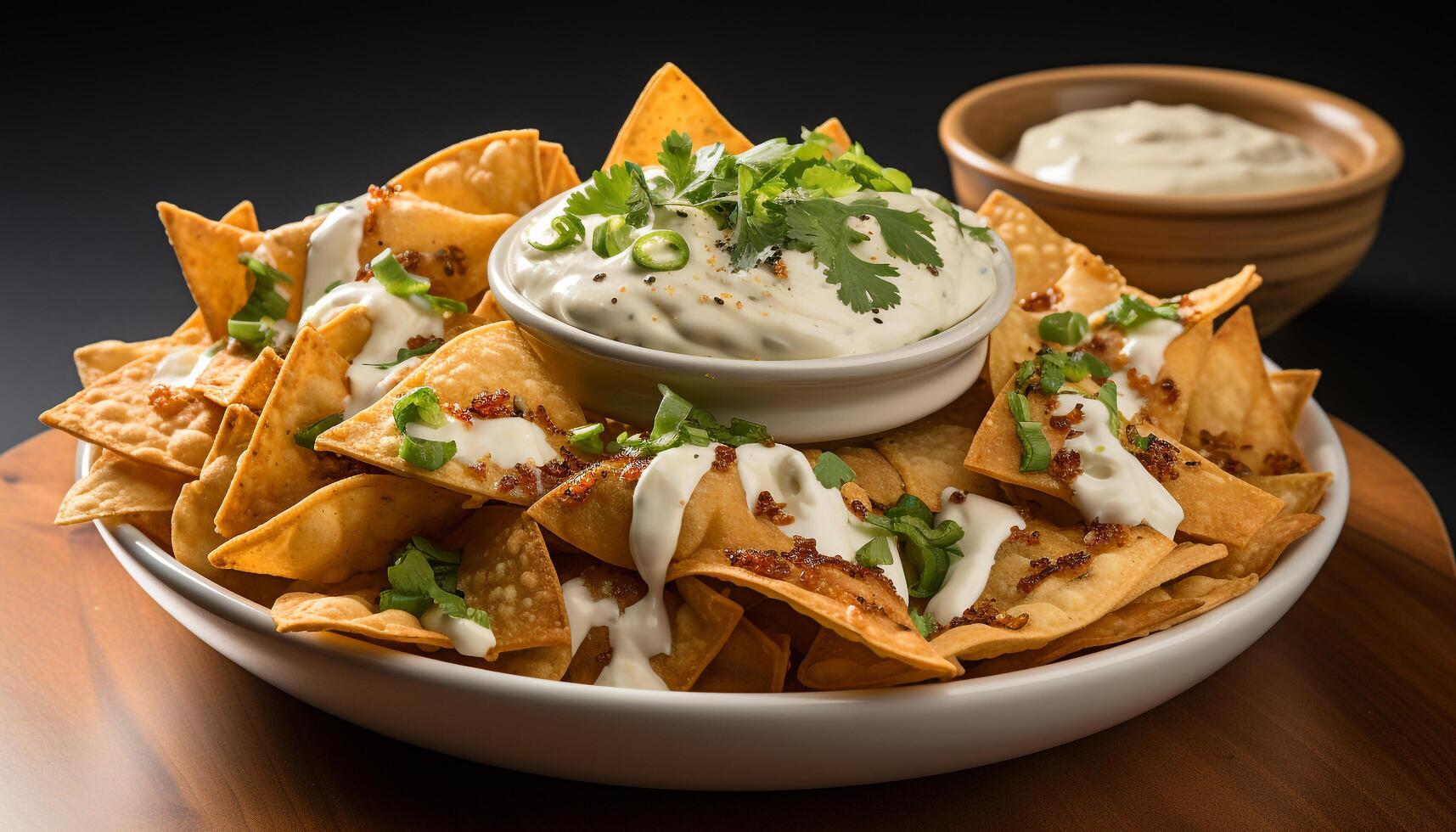
Generally speaking, traditional queso (cheese dip) is gluten-free as it’s typically made from cheese, milk, and spices, which do not contain gluten. However, it’s important to check ingredient labels or ask about preparation methods, as some queso recipes might include additives or thickeners that contain gluten, or the dip could be subject to cross-contamination in preparation.

TL;DR

Generally speaking, traditional queso (cheese dip) is gluten-free as it’s typically made from cheese, milk, and spices, which do not contain gluten. However, it’s important to check ingredient labels or ask about preparation methods, as some queso recipes might include additives or thickeners that contain gluten, or the dip could be subject to cross-contamination in preparation.

Quick Tips

1

Calcium: Cheese is a good source of calcium, which is essential for strong bones and teeth.

2

Protein: Cheese provides protein, which is important for muscle growth and repair.

3

Vitamin B12: Many cheeses contain vitamin B12, which is crucial for nerve function and red blood cell formation.

# In This Article

3 sections

Quick navigation to each section of this article:

1 Benefits of Queso

Calcium: Cheese is a good source of calcium, which is essential for strong bones and teeth.

Jump
2 Who should avoid Queso

Individuals with lactose intolerance

Jump
3 Related Gluten Free Products

Here are five gluten-free options similar to Queso, along with short descriptions:

Jump

Benefits of Queso

Benefits of Queso
Calcium: Cheese is a good source of calcium, which is essential for strong bones and teeth.
Protein: Cheese provides protein, which is important for muscle growth and repair.
Vitamin B12: Many cheeses contain vitamin B12, which is crucial for nerve function and red blood cell formation.
Phosphorus: Cheese contains phosphorus, which works with calcium to build strong bones.
Zinc: Some cheeses provide zinc, which is important for immune function and wound healing.
Vitamin A: Cheese can be a source of vitamin A, which is beneficial for eye health and immune function.
Conjugated Linoleic Acid (CLA): Some cheeses contain CLA, which may have anti-inflammatory properties.
Probiotics: Certain cheeses, especially those made from raw milk, may contain beneficial probiotics.
Satiety: The protein and fat content in cheese can help you feel full and satisfied.Remember that these benefits come with the caveat that queso is high in saturated fat and calories, so it should be consumed in moderation as part of a balanced diet.

Who should avoid Queso

Who should avoid Queso
Individuals with lactose intolerance
Those with dairy allergies
People following a vegan diet
Individuals on a low-fat diet
Those trying to reduce their calorie intake
People with high cholesterol levels
Individuals with heart conditions who need to limit saturated fat intake
Those following a low-sodium diet (some queso recipes are high in salt)
People with certain gastrointestinal conditions that are aggravated by dairy or high-fat foods
Individuals following a strict kosher diet (if the queso contains non-kosher ingredients)
Those on a low-FODMAP diet (due to the lactose content)
People with a history of gallbladder issues or gallstones
Individuals trying to avoid processed foods (particularly for store-bought queso)Remember, the suitability of queso in one’s diet can vary based on individual health conditions and dietary needs. It’s always best to consult with a healthcare professional or registered dietitian for personalized advice.
ENJOY YOUR FAVORITE FOODS FEARLESSLY!
Don’t let gluten hold you back. Take Anti-Gluten Pills before your meal and enjoy peace of mind.
SHOP ANTI-GLUTEN PILLS
Clinically proven · Up to 86% gluten reduction · Fast acting

Here are five gluten-free options similar to Queso, along with short descriptions:

Related Gluten Free Products
Guacamole: A Mexican avocado-based dip made with mashed avocados, lime juice, cilantro, onions, and tomatoes. It's rich in healthy fats and can be customized with additional ingredients like jalapeños or garlic.
Baba Ganoush: A Mediterranean eggplant dip made by roasting eggplant and blending it with tahini, olive oil, lemon juice, and garlic. It has a smoky flavor and creamy texture.
Tzatziki: A Greek yogurt-based dip made with cucumber, garlic, olive oil, and herbs like dill or mint. It's refreshing and tangy, often used as a condiment or dip for vegetables and meats.
Cashew Cheese Dip: A vegan alternative made from soaked and blended cashews, nutritional yeast, and various seasonings. It can be flavored to mimic different cheese flavors and has a creamy, spreadable consistency.

Health Information

? Frequently Asked Questions

4 questions
1 What Mexican food items are gluten-free?
Many traditional Mexican dishes are naturally gluten-free. Corn-based items like corn tortillas, tamales, and corn chips are typically safe choices. Popular options include tacos, enchiladas (when made with corn tortillas), fajitas, and guacamole. However, it's important to be cautious of sauces and seasonings that may contain gluten, and always verify ingredients with the restaurant or chef to ensure a dish is truly gluten-free.
2 Is queso at Chipotle gluten-free?
Chipotle's queso is generally considered gluten-free. The ingredients used in their queso do not typically contain gluten. However, Chipotle does not guarantee that any of their products are completely free from gluten due to the possibility of cross-contamination in their kitchens. If you have celiac disease or severe gluten sensitivity, it's best to consult with Chipotle directly or avoid the queso to be safe.
3 Does queso usually have flour?
Queso, in its traditional Mexican form, typically does not contain flour. However, some American-style queso dips may include flour as a thickening agent. The use of flour in queso can vary depending on the recipe and regional preferences. Generally, authentic queso is made primarily with cheese, cream, and various seasonings, without the need for flour.
4 What Mexican cheese is gluten-free?
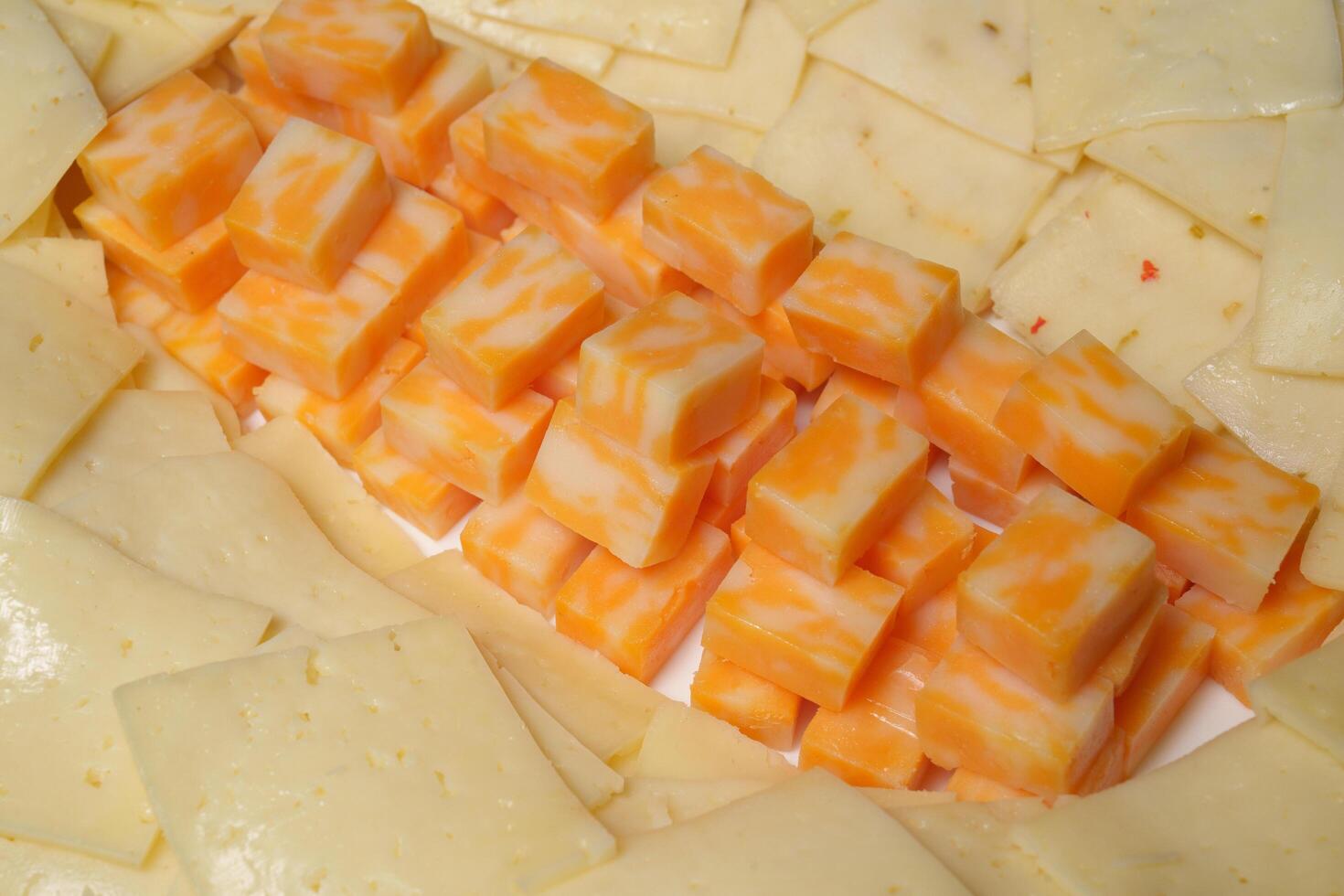
All traditional Mexican cheeses are naturally gluten-free. This includes popular varieties like queso fresco, cotija, Oaxaca, and manchego. Gluten is a protein found in wheat, barley, and rye, which are not typically used in cheese production. However, it's always best to check labels for any added ingredients or potential cross-contamination if you have celiac disease or severe gluten sensitivity.
LIVE GLUTEN-FREE WITHOUT THE FUSS!
Introducing Tolerase® G, clinically proven to reduce up to 86% of gluten in under 10 minutes. Experience the freedom to eat what you love.
SHOP ANTI-GLUTEN PILLS
150mg pure Tolerase® G · Reduces gluten by 86% · Under 10 minutes

Our Expert

Drs. Ilse van Asperen, Orthomolecular Therapist and Nutritional Coach

Drs. Ilse van Asperen

Orthomolecular Therapist, Nutritional Coach & Professional Editor

Drs. Ilse van Asperen is a medical doctor specialising in orthomolecular therapy and nutritional coaching. With a background in public and clinical health research and management, she focuses on addressing the root causes of health issues through diet, gut health, and stress reduction. As a professional editor for Little Helpers, she reviews all gluten-free content to ensure accuracy, safety, and scientific credibility. Read more on Drs. Ilse van Asperen's own website

Our Sources

The information on this page is based on reputable health and nutrition organisations, ensuring accuracy and reliability for anyone following a gluten-free diet. For further details, see the sources below.
Sources

Similar Articles

Back to blog