Is Red 40 Gluten Free?

Is Red 40 Gluten Free?

Yes, Red 40 is gluten-free. This artificial food coloring is not derived from any gluten-containing grains and is considered safe for people with celiac disease or gluten sensitivity.

TL;DR

Yes, Red 40 is gluten-free. This artificial food coloring is not derived from any gluten-containing grains and is considered safe for people with celiac disease or gluten sensitivity.

Quick Tips

1

Red 40 is not a nutritional supplement or ingredient with health benefits.

2

It is a synthetic dye used to add color to foods, beverages, and cosmetics.

3

The FDA has approved it for use in food products in the United States.

# In This Article

3 sections

Quick navigation to each section of this article:

1 Benefits of Red 40

Red 40 is not a nutritional supplement or ingredient with health benefits.

Jump
2 Who should avoid Red 40

People with known allergies or sensitivities to Red 40

Jump
3 Related Gluten Free Products

Red 40 is an artificial food coloring that is inherently gluten-free, as it is a synthetic dye not derived from gluten-containing grains. For those looking to avoid artificial colors, natural alternatives can provide vibrant hues without gluten.

Jump

Benefits of Red 40

Benefits of Red 40
Red 40 is not a nutritional supplement or ingredient with health benefits.
It is a synthetic dye used to add color to foods, beverages, and cosmetics.
The FDA has approved it for use in food products in the United States.
Some studies have suggested potential links between artificial food dyes, including Red 40, and: – Hyperactivity in children – Allergic reactions in some individuals – Potential carcinogenic effects (though evidence is limited and inconclusive)
Many health-conscious consumers and some health professionals recommend avoiding or limiting consumption of artificial food dyes, including Red 40.
Some countries have banned or restricted the use of Red 40 due to health concerns.
Natural alternatives like beetroot juice or other plant-based colorants are often considered healthier options for food coloring.In summary, Red 40 is not associated with health benefits, and its consumption is generally recommended to be limited or avoided by those concerned about potential health impacts of artificial food additives.

Who should avoid Red 40

Who should avoid Red 40
People with known allergies or sensitivities to Red 40
Individuals with asthma, as Red 40 may exacerbate symptoms in some cases
Those with attention deficit hyperactivity disorder (ADHD), as some studies suggest a possible link between artificial food dyes and increased hyperactivity
People with migraines or headaches that may be triggered by food additives
Individuals with autoimmune disorders, as some believe artificial food dyes may contribute to inflammation
Those following a natural or organic diet
People with a family history of adverse reactions to food dyes
Young children, as they may be more sensitive to the effects of artificial food dyes
Pregnant women, as a precautionary measure
Individuals with inflammatory bowel diseases, such as Crohn’s disease or ulcerative colitis
Those with a history of hives or urticaria that may be triggered by food additives
People trying to avoid artificial ingredients in their diet for general health reasonsIt’s important to note that while these groups may be advised to avoid Red 40, individual reactions can vary. Always consult with a healthcare professional for personalized advice.
ENJOY YOUR FAVORITE FOODS FEARLESSLY!
Don’t let gluten hold you back. Take Anti-Gluten Pills before your meal and enjoy peace of mind.
SHOP ANTI-GLUTEN PILLS
Clinically proven · Up to 86% gluten reduction · Fast acting

Red 40 is an artificial food coloring that is inherently gluten-free, as it is a synthetic dye not derived from gluten-containing grains. For those looking to avoid artificial colors, natural alternatives can provide vibrant hues without gluten. Options like beet juice, hibiscus powder, pomegranate juice, raspberry or strawberry puree, and turmeric can serve as effective substitutes. These natural colorings not only enhance the visual appeal of food but also often add nutritional benefits.

Related Gluten Free Products
Annatto: Extracted from the seeds of the achiote tree, it produces a range of colors from yellow to deep orange-red.
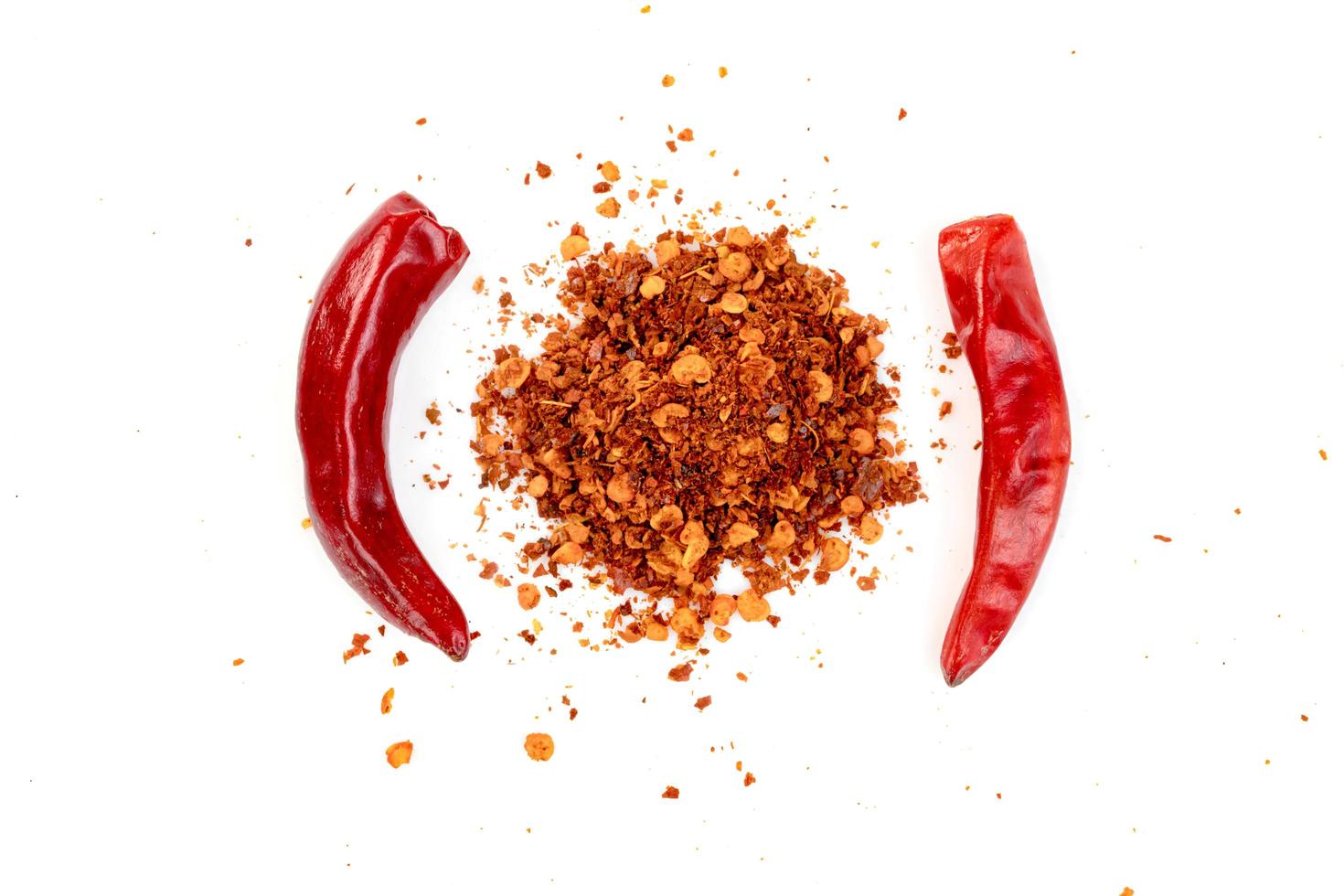
Paprika: A spice made from dried and ground red peppers, offering a warm red to orange color.
Carmine: A bright red pigment derived from cochineal insects, commonly used in food and cosmetics.
Lycopene: A natural pigment found in tomatoes and other red fruits, providing a bright red color.These natural alternatives are all gluten-free and can be used to add color to foods and beverages without the use of synthetic dyes like Red 40.

Health Information

? Frequently Asked Questions

4 questions
1 Does red 40 contain gluten?
Red 40 does not contain gluten. It is a synthetic food coloring derived from petroleum. Gluten is a protein found in wheat, barley, and rye, which is not related to the production of Red 40. Therefore, Red 40 is generally considered safe for people with celiac disease or gluten sensitivity.
2 What is red 40 made of?
Red 40 is an artificial food coloring made from petroleum byproducts. It is synthesized through a chemical process involving the reaction of aromatic hydrocarbons with sulfuric acid and other substances. The resulting compound is then purified and mixed with stabilizers to create the final dye product. Red 40 is not derived from any natural sources and is entirely synthetic in nature.
3 Is food coloring for celiac safe?
Food coloring is generally considered safe for people with celiac disease. Most food dyes are made from synthetic chemicals that do not contain gluten. However, it's always important to check labels and verify ingredients with manufacturers to be absolutely certain. In rare cases, some natural food colorings may contain gluten-based ingredients, so caution is advised.
4 Why is red wine not gluten-free?
Red wine is generally considered gluten-free. The grapes used to make wine do not contain gluten. The fermentation process does not introduce gluten into the wine. Any concerns about gluten in red wine are usually related to potential cross-contamination during processing or the use of certain fining agents, but these instances are rare.
LIVE GLUTEN-FREE WITHOUT THE FUSS!
Introducing Tolerase® G, clinically proven to reduce up to 86% of gluten in under 10 minutes. Experience the freedom to eat what you love.
SHOP ANTI-GLUTEN PILLS
150mg pure Tolerase® G · Reduces gluten by 86% · Under 10 minutes

Our Expert

Drs. Ilse van Asperen, Orthomolecular Therapist and Nutritional Coach

Drs. Ilse van Asperen

Orthomolecular Therapist, Nutritional Coach & Professional Editor

Drs. Ilse van Asperen is a medical doctor specialising in orthomolecular therapy and nutritional coaching. With a background in public and clinical health research and management, she focuses on addressing the root causes of health issues through diet, gut health, and stress reduction. As a professional editor for Little Helpers, she reviews all gluten-free content to ensure accuracy, safety, and scientific credibility. Read more on Drs. Ilse van Asperen's own website

Our Sources

The information on this page is based on reputable health and nutrition organisations, ensuring accuracy and reliability for anyone following a gluten-free diet. For further details, see the sources below.

Sources

Similar Articles

Back to blog