Is Soy lecithin Gluten Free?

Is Soy lecithin Gluten Free?

Yes, soy lecithin is generally considered gluten-free. It is derived from soybeans, which do not contain gluten, and the processing of lecithin does not typically introduce any gluten-containing ingredients.

TL;DR

Yes, soy lecithin is generally considered gluten-free. It is derived from soybeans, which do not contain gluten, and the processing of lecithin does not typically introduce any gluten-containing ingredients.

Quick Tips

1

Emulsifier: Helps mix and stabilize ingredients that don’t normally combine well, like oil and water.

2

Improved texture: Can enhance the texture of foods, making them smoother and creamier.

3

Antioxidant properties: May help protect cells from damage caused by free radicals.

# In This Article

3 sections

Quick navigation to each section of this article:

1 Benefits of Soy lecithin

Emulsifier: Helps mix and stabilize ingredients that don’t normally combine well, like oil and water.

Jump
2 Who should avoid Soy lecithin

People with soy allergies: Soy lecithin is derived from soybeans and may contain trace amounts of soy proteins, which could trigger an allergic reaction in sensitive individuals.

Jump
3 Related Gluten Free Products

Here are five similar gluten-free options to soy lecithin, along with brief descriptions:

Jump

Benefits of Soy lecithin

Benefits of Soy lecithin
Emulsifier: Helps mix and stabilize ingredients that don’t normally combine well, like oil and water.
Improved texture: Can enhance the texture of foods, making them smoother and creamier.
Antioxidant properties: May help protect cells from damage caused by free radicals.
Potential cholesterol reduction: Some studies suggest it may help lower LDL (bad) cholesterol levels.
Brain health: Contains choline, which is important for brain function and development.
Liver support: May help protect the liver from fatty build-up.
Improved digestion: Can help in the breakdown of fats during digestion.
Skin health: When applied topically, may help improve skin hydration and barrier function.
Potential anti-inflammatory effects: Some research indicates it may have anti-inflammatory properties.
Nutrient absorption: May enhance the absorption of certain nutrients in the body.
Food preservation: Helps extend shelf life of certain products by preventing separation.
Potential cognitive benefits: Some studies suggest it may support memory and cognitive function.Remember that while these benefits have been suggested by various studies, more research is needed to confirm some of these effects conclusively.

Who should avoid Soy lecithin

Who should avoid Soy lecithin
People with soy allergies: Soy lecithin is derived from soybeans and may contain trace amounts of soy proteins, which could trigger an allergic reaction in sensitive individuals.
Those with severe soybean sensitivities: Even though soy lecithin contains very little soy protein, highly sensitive individuals may still react to it.
Individuals following a strict soy-free diet: For medical or personal reasons, some people choose to eliminate all soy products from their diet.
People with concerns about genetically modified organisms (GMOs): Most soy lecithin is derived from genetically modified soybeans, so those avoiding GMOs may want to seek out non-GMO alternatives.
Individuals with specific health conditions: Some people with certain digestive disorders or autoimmune conditions may be advised by their healthcare providers to avoid soy products, including lecithin.
Those following certain religious or cultural dietary restrictions: Some diets may prohibit or limit soy consumption for various reasons.
People with concerns about phytoestrogens: Soy contains phytoestrogens, which some individuals may choose to avoid, although the amount in soy lecithin is typically very small.It’s important to note that for most people, soy lecithin is safe and well-tolerated. Always consult with a healthcare professional if you have specific concerns about your diet or health conditions.
ENJOY YOUR FAVORITE FOODS FEARLESSLY!
Don’t let gluten hold you back. Take Anti-Gluten Pills before your meal and enjoy peace of mind.
SHOP ANTI-GLUTEN PILLS
Clinically proven · Up to 86% gluten reduction · Fast acting

Here are five similar gluten-free options to soy lecithin, along with brief descriptions:

Related Gluten Free Products
Sunflower lecithin: - Derived from sunflower seeds - Excellent emulsifier and stabilizer - Rich in phospholipids and choline - Often used in baked goods, chocolate, and supplements
Egg lecithin: - Extracted from egg yolks - Natural emulsifier with excellent binding properties - Contains essential fatty acids and choline - Commonly used in mayonnaise and salad dressings
Rice bran lecithin: - Obtained from rice bran oil - Hypoallergenic alternative to soy lecithin - Rich in antioxidants and vitamin E - Used in various food products and cosmetics
Canola lecithin: - Extracted from canola oil - Non-GMO and allergen-free option - Good emulsifying and stabilizing properties - Used in food products, supplements, and personal care items
Guar gum: - Derived from guar beans - Thickening and stabilizing agent - High in soluble fiber - Widely used in gluten-free baking and dairy productsThese alternatives can be used in various applications where soy lecithin is typically employed, providing similar functionality while catering to different dietary needs or preferences.

Health Information

? Frequently Asked Questions

1 questions
1 What is soy lecithin made of?
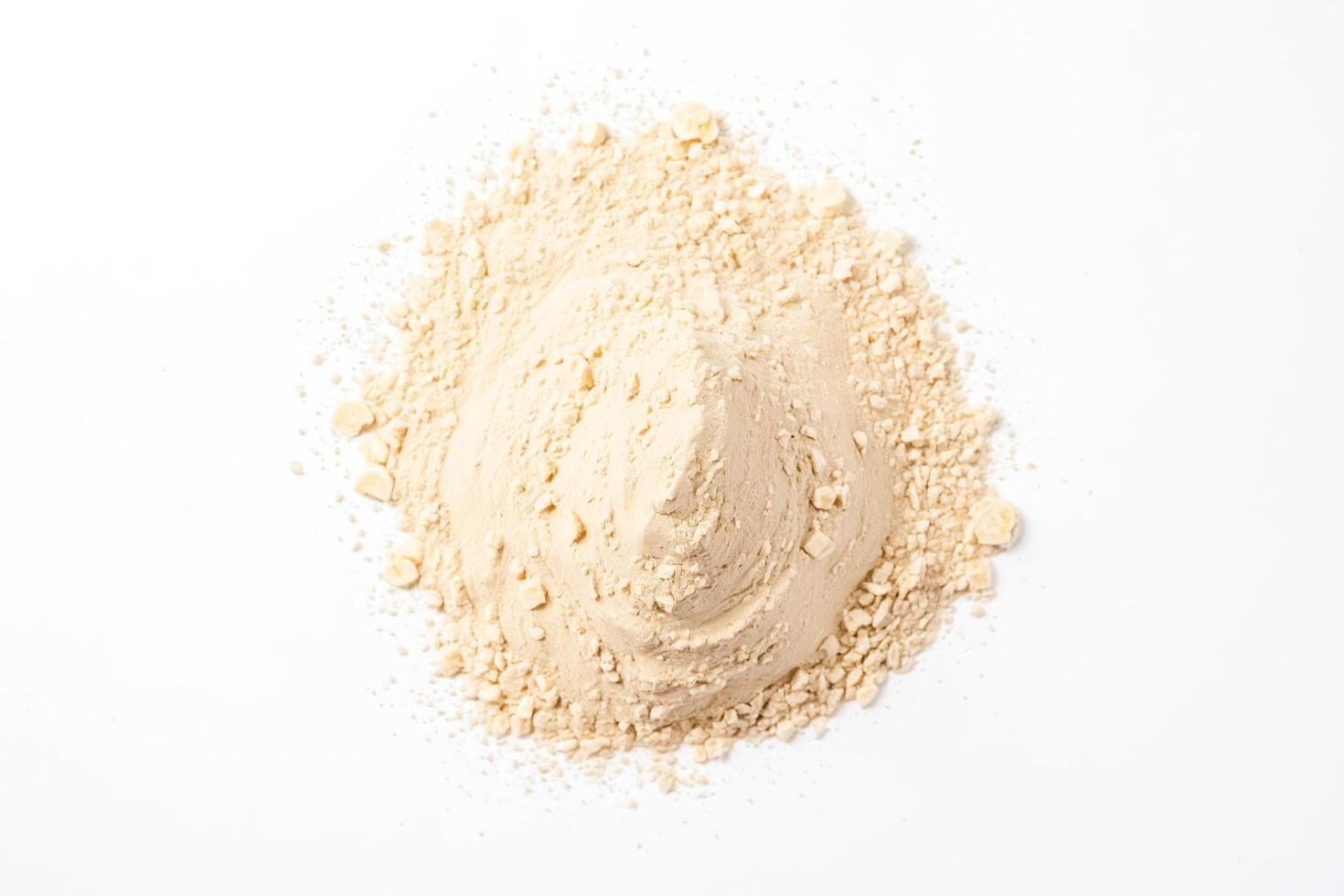
Soy lecithin is primarily made from soybeans. It is a byproduct of soybean oil production, extracted from soybean oil during the degumming process. Soy lecithin consists mainly of phospholipids, along with smaller amounts of triglycerides and glycolipids. It also contains various other compounds found in soybeans, such as proteins, carbohydrates, and trace amounts of vitamins and minerals.
LIVE GLUTEN-FREE WITHOUT THE FUSS!
Introducing Tolerase® G, clinically proven to reduce up to 86% of gluten in under 10 minutes. Experience the freedom to eat what you love.
SHOP ANTI-GLUTEN PILLS
150mg pure Tolerase® G · Reduces gluten by 86% · Under 10 minutes

Our Expert

Drs. Ilse van Asperen, Orthomolecular Therapist and Nutritional Coach

Drs. Ilse van Asperen

Orthomolecular Therapist, Nutritional Coach & Professional Editor

Drs. Ilse van Asperen is a medical doctor specialising in orthomolecular therapy and nutritional coaching. With a background in public and clinical health research and management, she focuses on addressing the root causes of health issues through diet, gut health, and stress reduction. As a professional editor for Little Helpers, she reviews all gluten-free content to ensure accuracy, safety, and scientific credibility. Read more on Drs. Ilse van Asperen's own website

Our Sources

The information on this page is based on reputable health and nutrition organisations, ensuring accuracy and reliability for anyone following a gluten-free diet. For further details, see the sources below.

Sources

Similar Articles

Back to blog