Share
TL;DR
Yes, spinach is naturally gluten-free. As a leafy green vegetable, spinach does not contain any gluten proteins, which are typically found in wheat, barley, and rye.
Quick Tips
1High in nutrients and low in calories
2Rich in antioxidants, including vitamin C, lutein, and zeaxanthin
3Excellent source of vitamin K, important for bone health
# In This Article
3 sectionsQuick navigation to each section of this article:
Benefits of Spinach
| Benefits of Spinach |
|---|
| High in nutrients and low in calories |
| Rich in antioxidants, including vitamin C, lutein, and zeaxanthin |
| Excellent source of vitamin K, important for bone health |
| Contains iron, which helps prevent anemia and supports oxygen transport |
| Good source of folate, essential for DNA synthesis and cell division |
| Provides nitrates, which may help lower blood pressure |
| Contains quercetin, which may reduce inflammation and prevent infections |
| Rich in fiber, promoting digestive health and regularity |
| May help with weight management due to low calorie content |
| Contains kaempferol, which may reduce the risk of cancer |
| Supports eye health due to high levels of lutein and zeaxanthin |
| Provides magnesium, which is important for energy production and muscle function |
| Contains potassium, which helps maintain healthy blood pressure levels |
| May help regulate blood sugar levels due to its high antioxidant content |
| Supports brain health and may slow cognitive decline |
| Promotes healthy skin and hair due to its vitamin A contentRemember that while spinach is highly nutritious, it’s important to consume it as part of a balanced diet for optimal health benefits. |
Who should avoid Spinach
| Who should avoid Spinach |
|---|
| People taking blood thinners (e.g., warfarin): Spinach is high in vitamin K, which can interfere with these medications. |
| Individuals with kidney stones or a history of kidney stones: Spinach is high in oxalates, which can contribute to kidney stone formation. |
| Those with gout or at risk for gout: Spinach contains purines, which can increase uric acid levels. |
| People with iron overload disorders (e.g., hemochromatosis): Spinach contains iron, which could exacerbate their condition. |
| Individuals with thyroid issues: Spinach contains goitrogens, which can interfere with thyroid function in large amounts. |
| Those with a known allergy or sensitivity to spinach. |
| People taking certain medications that interact with vitamin K (consult with a healthcare provider). |
| Individuals with calcium oxalate stones: Spinach’s high oxalate content may be problematic. |
| Those on a low-potassium diet: Spinach is high in potassium, which may be an issue for some people with kidney problems. |
| Infants under 4 months old: Spinach contains nitrates, which can be harmful to very young babies.It’s always best to consult with a healthcare professional for personalized advice regarding diet and nutrition. |
Related Gluten Free Products
Here are five similar gluten-free options like spinach, along with short descriptions:
| Related Gluten Free Products |
|---|
| Kale: A nutrient-dense leafy green with a slightly bitter taste, known for its high content of vitamins A, C, and K. It can be eaten raw in salads or cooked in various dishes. |
| Swiss Chard: A colorful leafy green with large, tender leaves and crunchy stalks. Rich in vitamins A, C, and K, it has a mild, slightly sweet flavor and can be used in both raw and cooked preparations. |
| Collard Greens: A staple in Southern cuisine, these large, tough leaves are packed with vitamins and minerals. They have a slightly bitter taste and are typically cooked to soften their texture. |
| Arugula: Also known as rocket, this peppery leafy green is rich in antioxidants and has a distinctive, nutty flavor. It's often used raw in salads or as a garnish but can also be lightly cooked. |
| Watercress: A small-leaved aquatic plant with a pungent, slightly spicy flavor. High in vitamins A and C, it's commonly used in salads, sandwiches, and as a garnish, but can also be cooked in soups or stir-fries. |
Health Information
? Frequently Asked Questions
4 questions1 Is there any gluten in spinach?
2 Which vegetable is gluten-free?
3 What popular foods are not gluten-free?
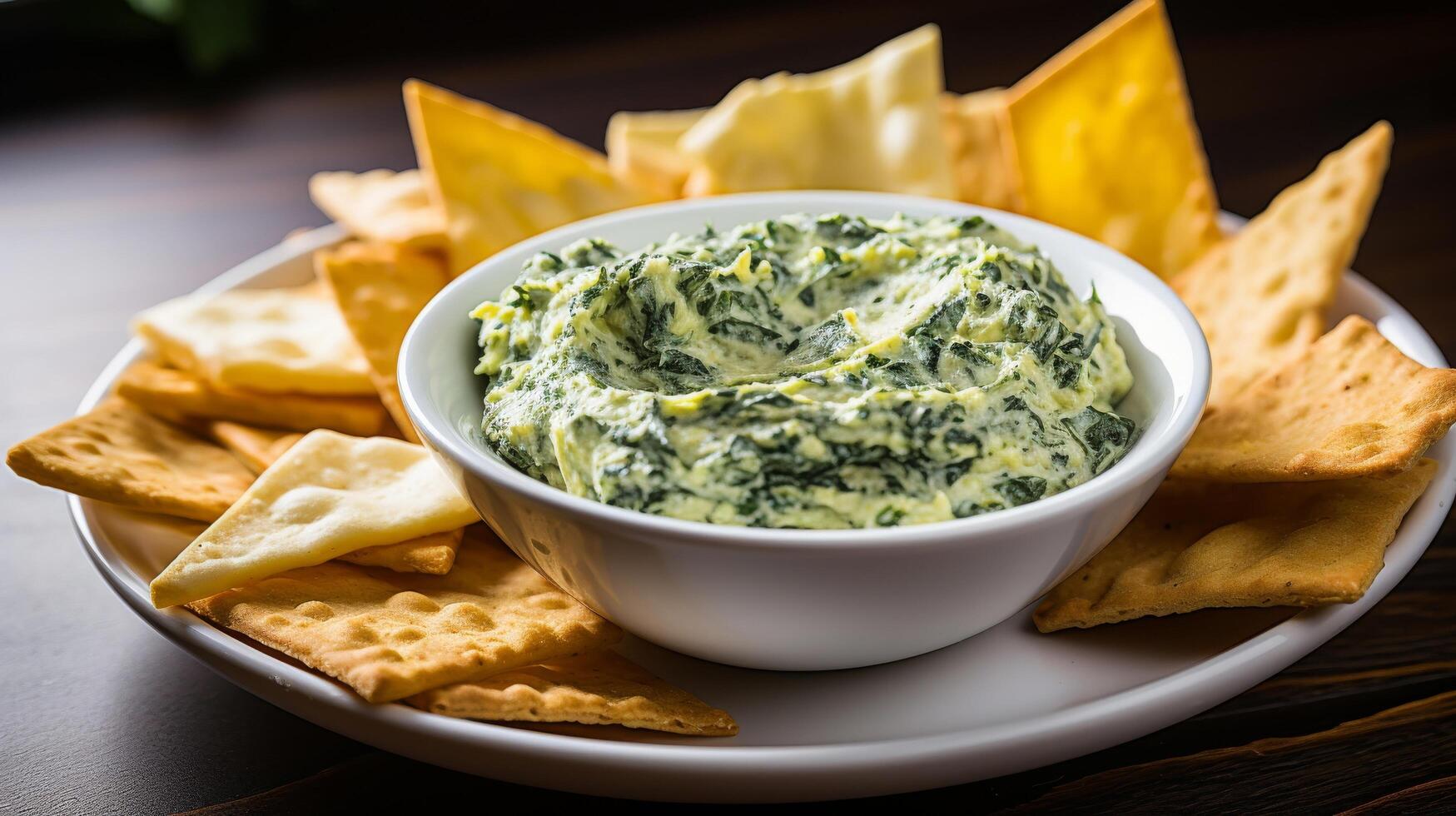
4 Why is spinach dip not gluten-free?
Our Expert
Drs. Ilse van Asperen
Orthomolecular Therapist, Nutritional Coach & Professional Editor
Drs. Ilse van Asperen is a medical doctor specialising in orthomolecular therapy and nutritional coaching. With a background in public and clinical health research and management, she focuses on addressing the root causes of health issues through diet, gut health, and stress reduction. As a professional editor for Little Helpers, she reviews all gluten-free content to ensure accuracy, safety, and scientific credibility. Read more on Drs. Ilse van Asperen's own website
Our Sources
The information on this page is based on reputable health and nutrition organisations, ensuring accuracy and reliability for anyone following a gluten-free diet. For further details, see the sources below.