Share
TL;DR
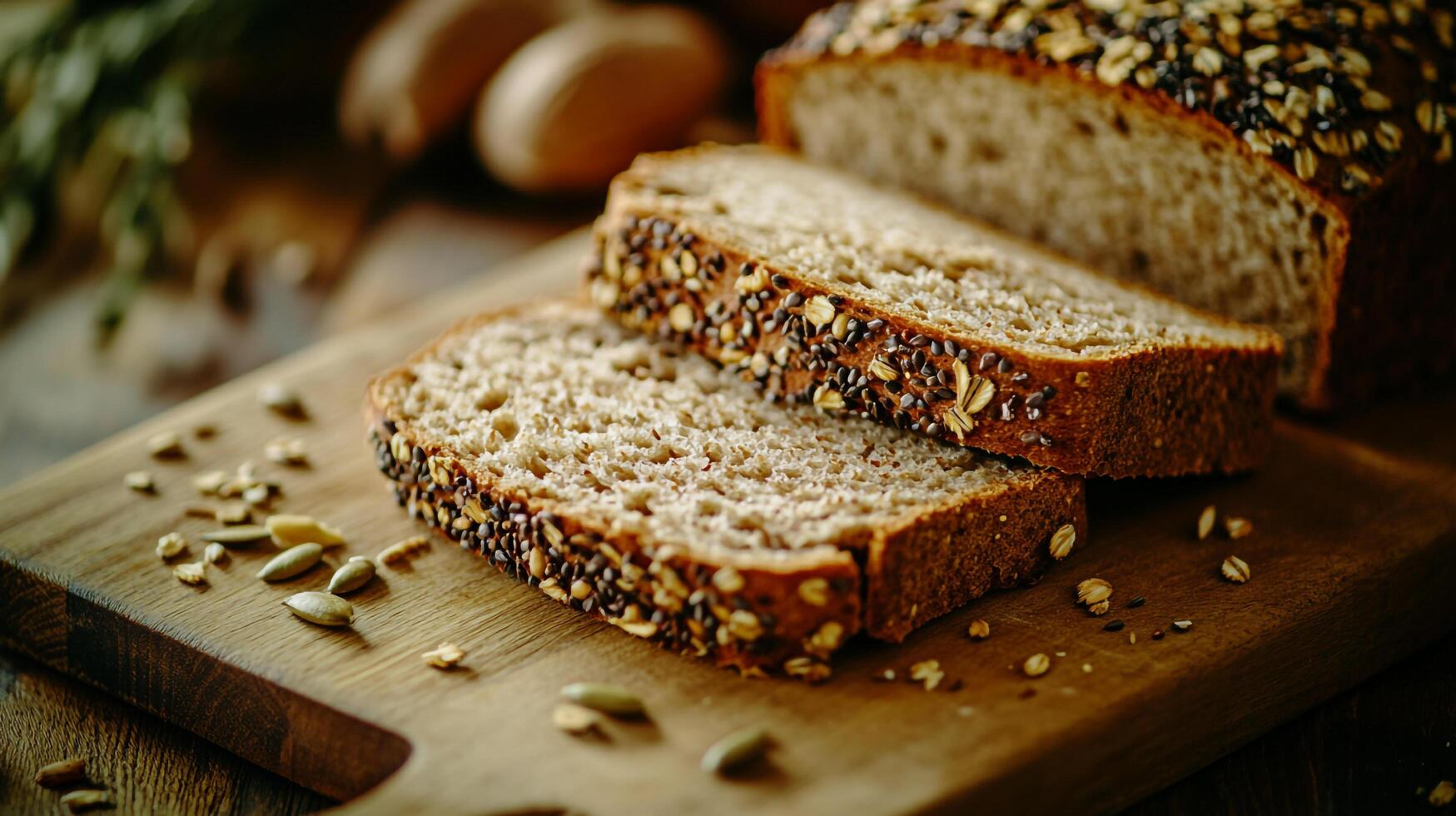
Sprouted bread made from wheat, barley, or rye is not gluten-free, as these grains contain gluten even after sprouting. However, sprouted bread made from naturally gluten-free grains like quinoa, millet, or buckwheat can be gluten-free if processed in a gluten-free facility.
Quick Tips
1Higher nutrient content: Sprouting increases the availability of vitamins and minerals.
2Increased protein quality: Sprouting can improve the amino acid profile of grains.
3Better digestibility: Sprouting breaks down some of the starches, making it easier to digest.
# In This Article
3 sectionsQuick navigation to each section of this article:
1 Benefits of Sprouted Bread
Higher nutrient content: Sprouting increases the availability of vitamins and minerals.
Jump2 Who should avoid Sprouted Bread
People with compromised immune systems: The moist environment required for sprouting can potentially harbor harmful bacteria.
Jump3 Gluten Free Alternatives
Here are five gluten-free alternatives to Sprouted Bread, along with short descriptions:
JumpBenefits of Sprouted Bread
| Benefits of Sprouted Bread |
|---|
| Higher nutrient content: Sprouting increases the availability of vitamins and minerals. |
| Increased protein quality: Sprouting can improve the amino acid profile of grains. |
| Better digestibility: Sprouting breaks down some of the starches, making it easier to digest. |
| Lower glycemic index: May cause a slower, more gradual rise in blood sugar compared to regular bread. |
| More fiber: Sprouted grains often contain more fiber than their non-sprouted counterparts. |
| Reduced antinutrients: Sprouting can decrease compounds that interfere with nutrient absorption. |
| Increased antioxidants: Sprouting can boost the levels of beneficial antioxidants in grains. |
| Potential prebiotic effects: May support gut health by promoting beneficial bacteria growth. |
| Lower gluten content: While not gluten-free, sprouted wheat bread may have less gluten than regular wheat bread. |
| Increased enzyme activity: Sprouting activates enzymes that can aid in digestion. |
| Potential allergen reduction: Some people with mild wheat sensitivities may tolerate sprouted wheat better. |
| No added sugars: Many sprouted breads are made without added sugars.Remember that while sprouted bread offers these potential benefits, it’s still important to consume it as part of a balanced diet. |
Who should avoid Sprouted Bread
| Who should avoid Sprouted Bread |
|---|
| People with compromised immune systems: The moist environment required for sprouting can potentially harbor harmful bacteria. |
| Individuals with severe gluten sensitivities or celiac disease: While sprouting may reduce gluten content, it doesn’t eliminate it entirely. |
| Those with allergies to specific grains: Sprouted breads often contain various grains that could trigger allergic reactions. |
| Pregnant women: Due to the potential risk of bacterial contamination during the sprouting process. |
| People with digestive issues: Some may find sprouted grains harder to digest than regular grains. |
| Individuals on low-carb diets: Sprouted bread still contains carbohydrates, though potentially less than regular bread. |
| Those with yeast sensitivities: Many sprouted breads still use yeast in the baking process. |
| People with kidney problems: Sprouted grains can be high in phosphorus and potassium, which may be problematic for some kidney patients. |
| Individuals taking certain medications: The increased nutrient availability in sprouted grains could potentially interact with some medications. |
| Those with a history of foodborne illness susceptibility: Due to the slight increase in contamination risk during sprouting.Always consult with a healthcare professional or registered dietitian before making significant changes to your diet, especially if you have specific health concerns or conditions. |
Gluten Free Alternatives
Here are five gluten-free alternatives to Sprouted Bread, along with short descriptions:
| Gluten Free Alternatives |
|---|
| Almond Flour Bread- Made from finely ground almonds, this bread is high in protein and healthy fats. It has a slightly nutty flavor and dense texture, making it a popular choice for those following low-carb diets as well as gluten-free diets. |
| Coconut Flour Bread- Produced using dried, ground coconut meat, this bread is high in fiber and low in carbohydrates. It has a slightly sweet taste and tends to be more moist than traditional wheat bread. |
| Flaxseed Bread- Rich in omega-3 fatty acids and lignans, flaxseed bread is made from ground flaxseeds. It has a nutty flavor and dense texture, and is often combined with other gluten-free flours for improved consistency. |
| Buckwheat Bread- Despite its name, buckwheat is not related to wheat and is naturally gluten-free. Buckwheat bread has a strong, earthy flavor and is rich in minerals and antioxidants. It often has a darker color than wheat bread. |
| Quinoa Bread- Made from quinoa flour, this bread is high in protein and contains all nine essential amino acids. It has a slightly nutty, earthy flavor and can have a denser texture than wheat bread. Quinoa bread is also rich in minerals like iron and magnesium. |
Health Information
? Frequently Asked Questions
4 questions1 Is sprouted bread good for gluten intolerance?
2 Who should not eat sprouted bread?
3 Which bread is gluten-free?
4 Is sprouted bread inflammatory?
Our Expert
Drs. Ilse van Asperen
Orthomolecular Therapist, Nutritional Coach & Professional Editor
Drs. Ilse van Asperen is a medical doctor specialising in orthomolecular therapy and nutritional coaching. With a background in public and clinical health research and management, she focuses on addressing the root causes of health issues through diet, gut health, and stress reduction. As a professional editor for Little Helpers, she reviews all gluten-free content to ensure accuracy, safety, and scientific credibility. Read more on Drs. Ilse van Asperen's own website
Our Sources
The information on this page is based on reputable health and nutrition organisations, ensuring accuracy and reliability for anyone following a gluten-free diet. For further details, see the sources below.