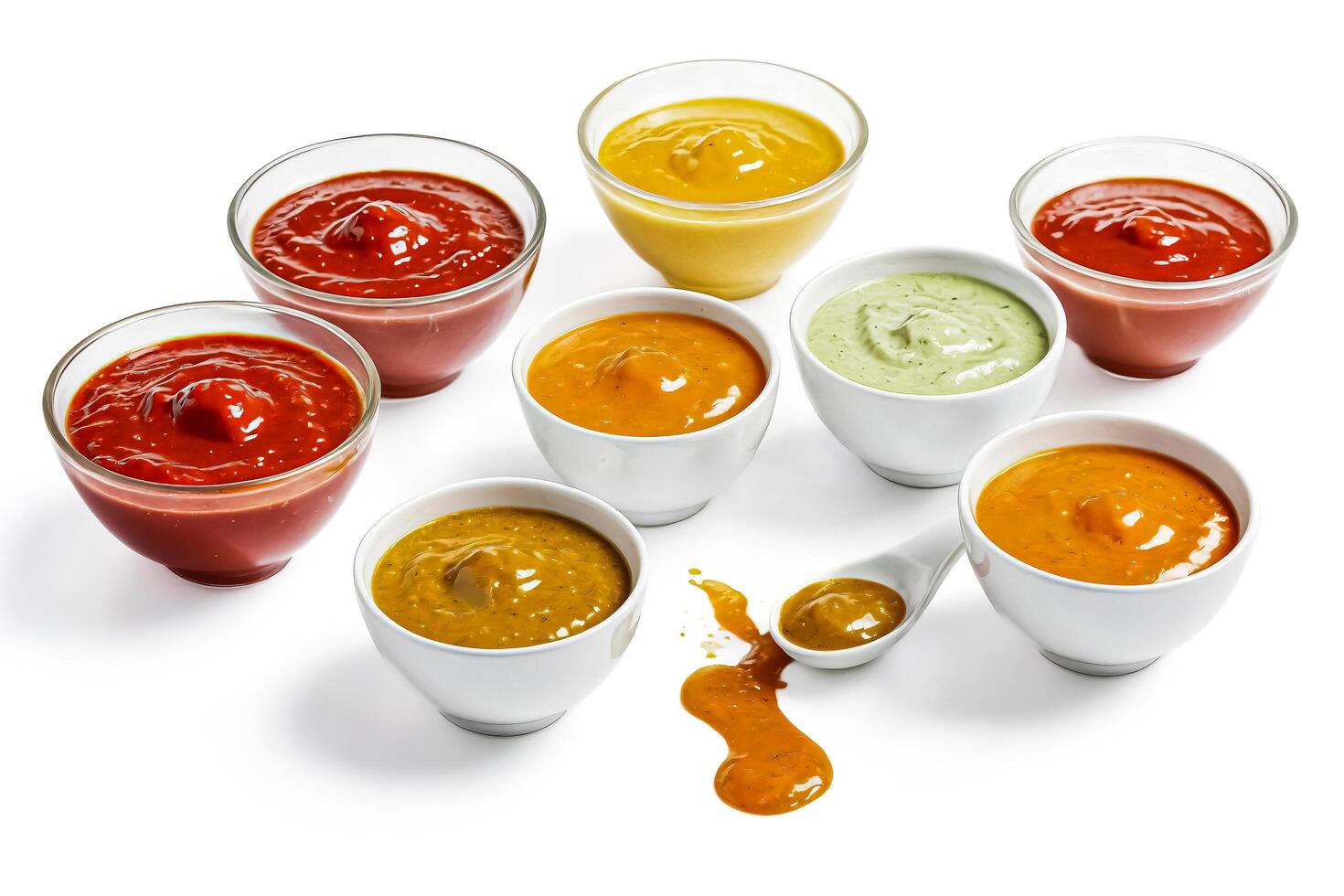
Is Teriyaki Sauce Gluten Free?

Is Teriyaki Sauce Gluten Free?

Teriyaki sauce is traditionally made with soy sauce, which typically contains wheat and is therefore not gluten-free. However, some brands now offer gluten-free teriyaki sauce options made with tamari or other gluten-free soy sauce alternatives, so it’s important to check labels carefully if you need to avoid gluten.

TL;DR

Teriyaki sauce is traditionally made with soy sauce, which typically contains wheat and is therefore not gluten-free. However, some brands now offer gluten-free teriyaki sauce options made with tamari or other gluten-free soy sauce alternatives, so it’s important to check labels carefully if you need to avoid gluten.

Quick Tips

1

Low in calories: When used in moderation, teriyaki sauce can add flavor without significantly increasing calorie intake.

2

Contains antioxidants: The soy sauce base provides some antioxidants, which can help protect cells from damage.

3

Source of essential minerals: It contains small amounts of iron, manganese, and phosphorus.

# In This Article

3 sections

Quick navigation to each section of this article:

1 Benefits of Teriyaki Sauce

Low in calories: When used in moderation, teriyaki sauce can add flavor without significantly increasing calorie intake.

Jump
2 Who should avoid Teriyaki Sauce

People with soy allergies, as soy sauce is a primary ingredient in teriyaki sauce

Jump
3 Gluten Free Alternatives

Here are five gluten-free alternatives to Teriyaki Sauce, along with brief descriptions:

Jump

Benefits of Teriyaki Sauce

Benefits of Teriyaki Sauce
Low in calories: When used in moderation, teriyaki sauce can add flavor without significantly increasing calorie intake.
Contains antioxidants: The soy sauce base provides some antioxidants, which can help protect cells from damage.
Source of essential minerals: It contains small amounts of iron, manganese, and phosphorus.
May have anti-inflammatory properties: Some ingredients like ginger (if included) can have anti-inflammatory effects.
Potential heart health benefits: The soy content may contribute to improved cholesterol levels.
Can enhance nutrient absorption: When paired with certain foods, it may help the body absorb nutrients more effectively.
Supports digestive health: Fermented ingredients like soy sauce can provide probiotics.
May have antimicrobial properties: Some studies suggest soy sauce has antimicrobial effects.
Can be a lower-sodium alternative: Compared to some other sauces, it can be a lower-sodium option (though still high in sodium overall).
Potential blood sugar regulation: Some studies suggest soy products may help regulate blood sugar levels.
Note: While teriyaki sauce does have some potential benefits, it’s also high in sodium and sugar, so it should be consumed in moderation as part of a balanced diet.

Who should avoid Teriyaki Sauce

Who should avoid Teriyaki Sauce
People with soy allergies, as soy sauce is a primary ingredient in teriyaki sauce
Individuals with wheat or gluten sensitivities, as many teriyaki sauces contain wheat-based soy sauce
Those on a low-sodium diet, as teriyaki sauce is typically high in sodium
People with celiac disease, unless the sauce is specifically labeled gluten-free
Individuals managing diabetes, due to the high sugar content in most teriyaki sauces
Those following a low-FODMAP diet, as garlic and onion (common ingredients) can be problematic
People with MSG sensitivities, as some teriyaki sauces may contain MSG
Individuals on certain medications that interact with high-tyramine foods (soy sauce contains tyramine)
Those following a strict paleo or whole30 diet, which typically exclude soy and added sugars
Vegans, unless the sauce is specifically labeled as vegan (some may contain honey or animal-derived ingredients)
Individuals with sesame allergies, as some teriyaki sauces may contain sesame oilRemember, always check ingredient labels and consult with a healthcare professional if you have specific dietary concerns or restrictions.
ENJOY YOUR FAVORITE FOODS FEARLESSLY!
Don’t let gluten hold you back. Take Anti-Gluten Pills before your meal and enjoy peace of mind.
SHOP ANTI-GLUTEN PILLS
Clinically proven · Up to 86% gluten reduction · Fast acting

Gluten Free Alternatives

Here are five gluten-free alternatives to Teriyaki Sauce, along with brief descriptions:

Gluten Free Alternatives
Coconut Aminos:A soy-free sauce made from coconut sap, sea salt, and water. It has a slightly sweet flavor and is lower in sodium than traditional soy sauce. It's an excellent alternative for those avoiding both gluten and soy.
Tamari:A Japanese sauce made from fermented soybeans. Unlike regular soy sauce, tamari is typically made without wheat, making it gluten-free. It has a rich, savory flavor similar to traditional soy sauce but is slightly thicker and less salty.
Liquid Aminos:A gluten-free and soy-based seasoning sauce made from non-GMO soybeans and purified water. It has a similar taste to soy sauce but is generally lower in sodium and contains essential amino acids.
Homemade Gluten-Free Teriyaki Sauce:A sauce made with gluten-free soy sauce or tamari, rice vinegar, honey or brown sugar, ginger, and garlic. This allows you to control the ingredients and adjust the flavor to your liking while ensuring it's gluten-free.
Worcestershire Sauce (gluten-free varieties):Some brands offer gluten-free versions of Worcestershire sauce, which can be used as a teriyaki alternative. It has a complex, savory flavor with hints of sweetness and tanginess. Always check the label to ensure it's gluten-free, as traditional Worcestershire sauce contains gluten.

Health Information

? Frequently Asked Questions

4 questions
1 Does all teriyaki sauce have gluten?
Not all teriyaki sauce contains gluten. Traditional teriyaki sauce is typically made with soy sauce, which usually contains wheat and therefore gluten. However, there are gluten-free versions of teriyaki sauce available on the market. It's important for those with gluten sensitivities or celiac disease to carefully check ingredient labels or opt for specifically labeled gluten-free teriyaki sauces.
2 Does Kikkoman teriyaki sauce have gluten?
Kikkoman teriyaki sauce typically contains gluten. The main source of gluten in this sauce is wheat, which is used as a fermented ingredient. Specifically, Kikkoman's traditional teriyaki sauce contains soy sauce made with wheat. However, Kikkoman does offer a gluten-free teriyaki sauce option for those with gluten sensitivities or celiac disease.
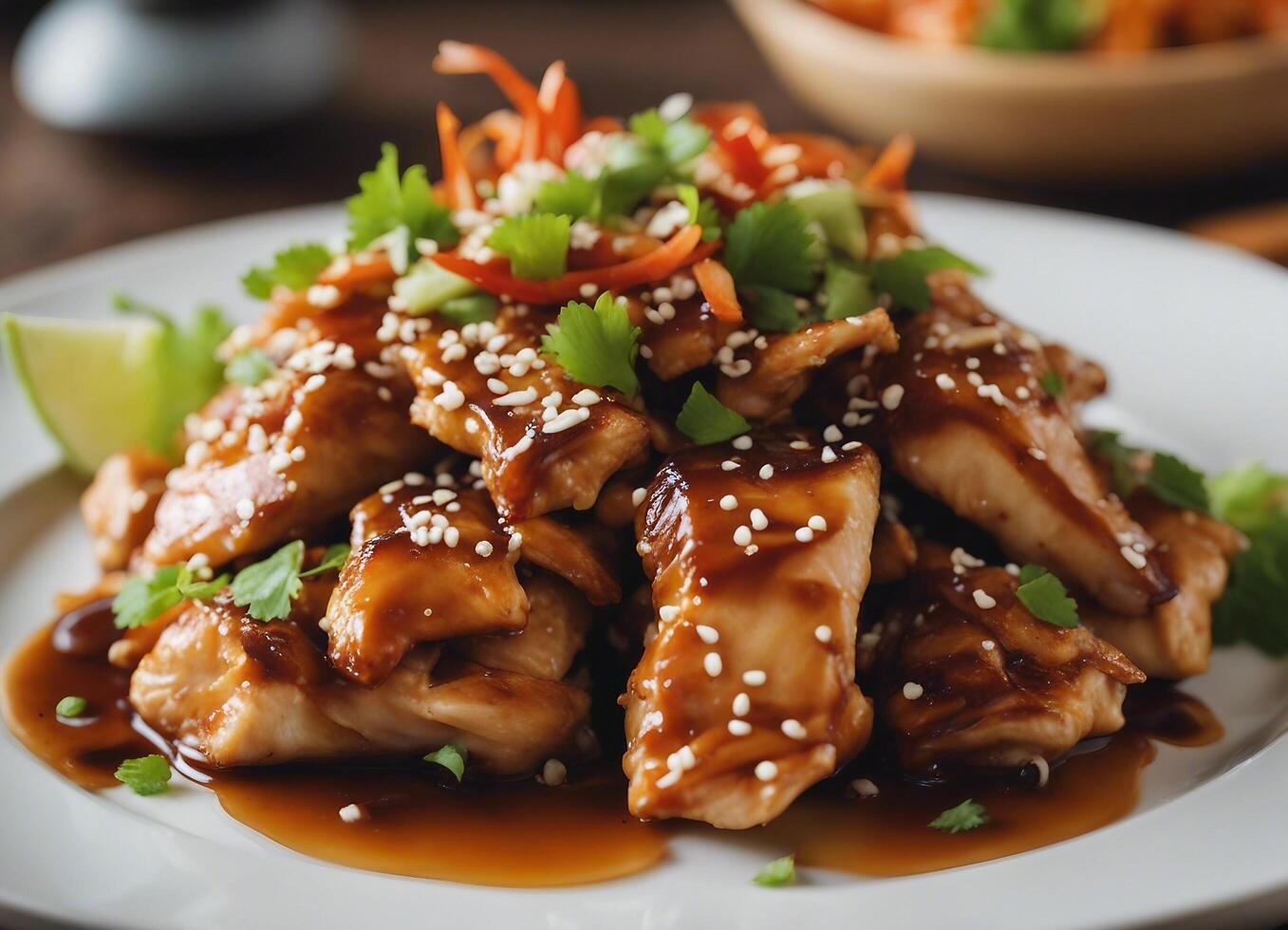
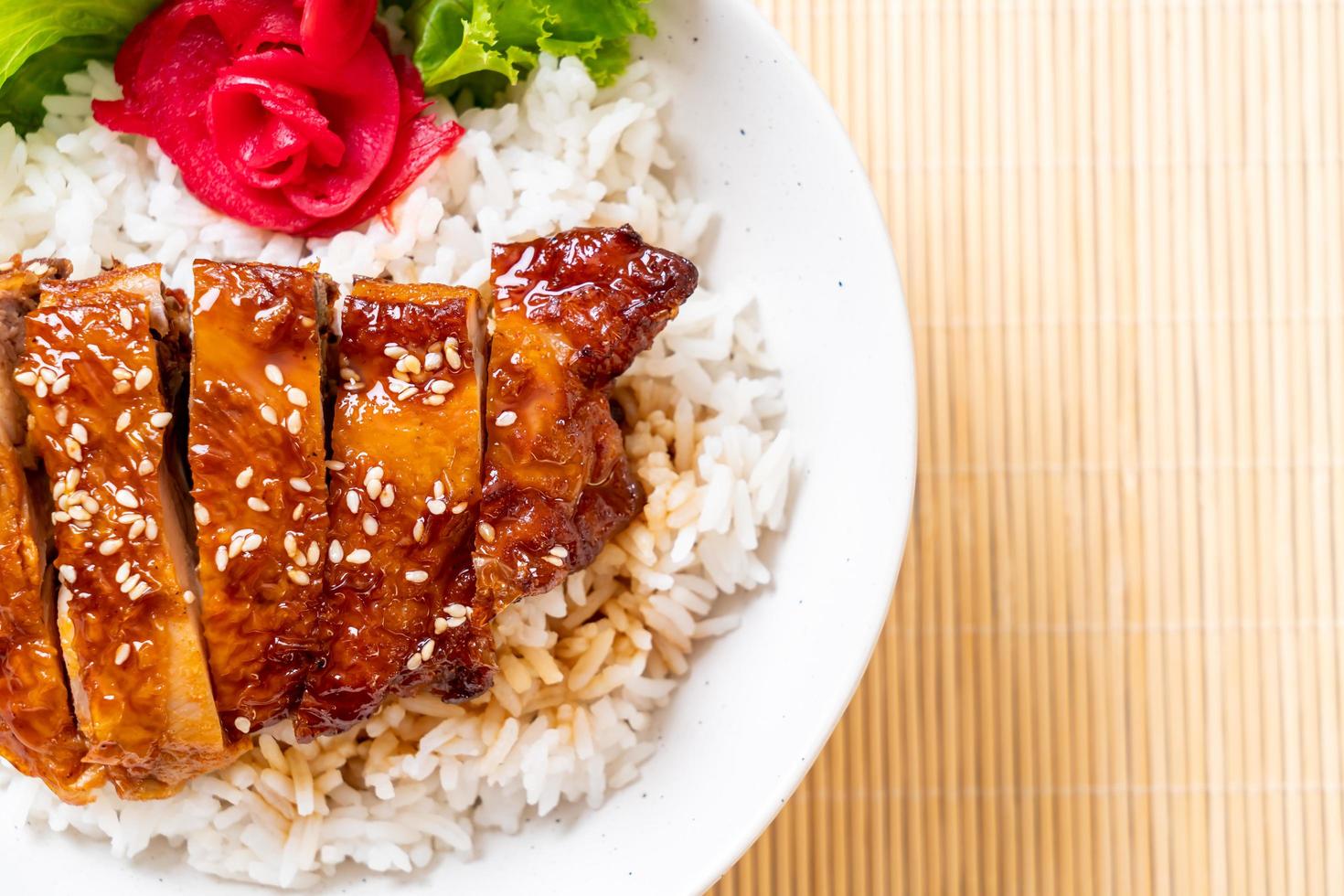
3 Can celiacs eat teriyaki chicken?
Celiacs need to be cautious with teriyaki chicken. Traditional teriyaki sauce often contains wheat-based soy sauce, which is not gluten-free. However, some restaurants or brands may offer gluten-free teriyaki options using tamari or other gluten-free alternatives. It's essential for celiacs to always verify ingredients and preparation methods before consuming teriyaki chicken.
4 What is teriyaki sauce made of?
Teriyaki sauce is primarily made of soy sauce, mirin (sweet rice wine), and sugar. These ingredients are typically simmered together to create a thick, glossy sauce. Some variations may include additional components like sake, ginger, or garlic for added flavor. The word "teriyaki" refers to a cooking method in Japanese cuisine, where foods are grilled or broiled with a glaze of this sweet and savory sauce.
LIVE GLUTEN-FREE WITHOUT THE FUSS!
Introducing Tolerase® G, clinically proven to reduce up to 86% of gluten in under 10 minutes. Experience the freedom to eat what you love.
SHOP ANTI-GLUTEN PILLS
150mg pure Tolerase® G · Reduces gluten by 86% · Under 10 minutes

Our Expert

Drs. Ilse van Asperen, Orthomolecular Therapist and Nutritional Coach

Drs. Ilse van Asperen

Orthomolecular Therapist, Nutritional Coach & Professional Editor

Drs. Ilse van Asperen is a medical doctor specialising in orthomolecular therapy and nutritional coaching. With a background in public and clinical health research and management, she focuses on addressing the root causes of health issues through diet, gut health, and stress reduction. As a professional editor for Little Helpers, she reviews all gluten-free content to ensure accuracy, safety, and scientific credibility. Read more on Drs. Ilse van Asperen's own website

Our Sources

The information on this page is based on reputable health and nutrition organisations, ensuring accuracy and reliability for anyone following a gluten-free diet. For further details, see the sources below.
Sources

Similar Articles

Back to blog