Is Textured Soy Flour Gluten Free?

Is Textured Soy Flour Gluten Free?

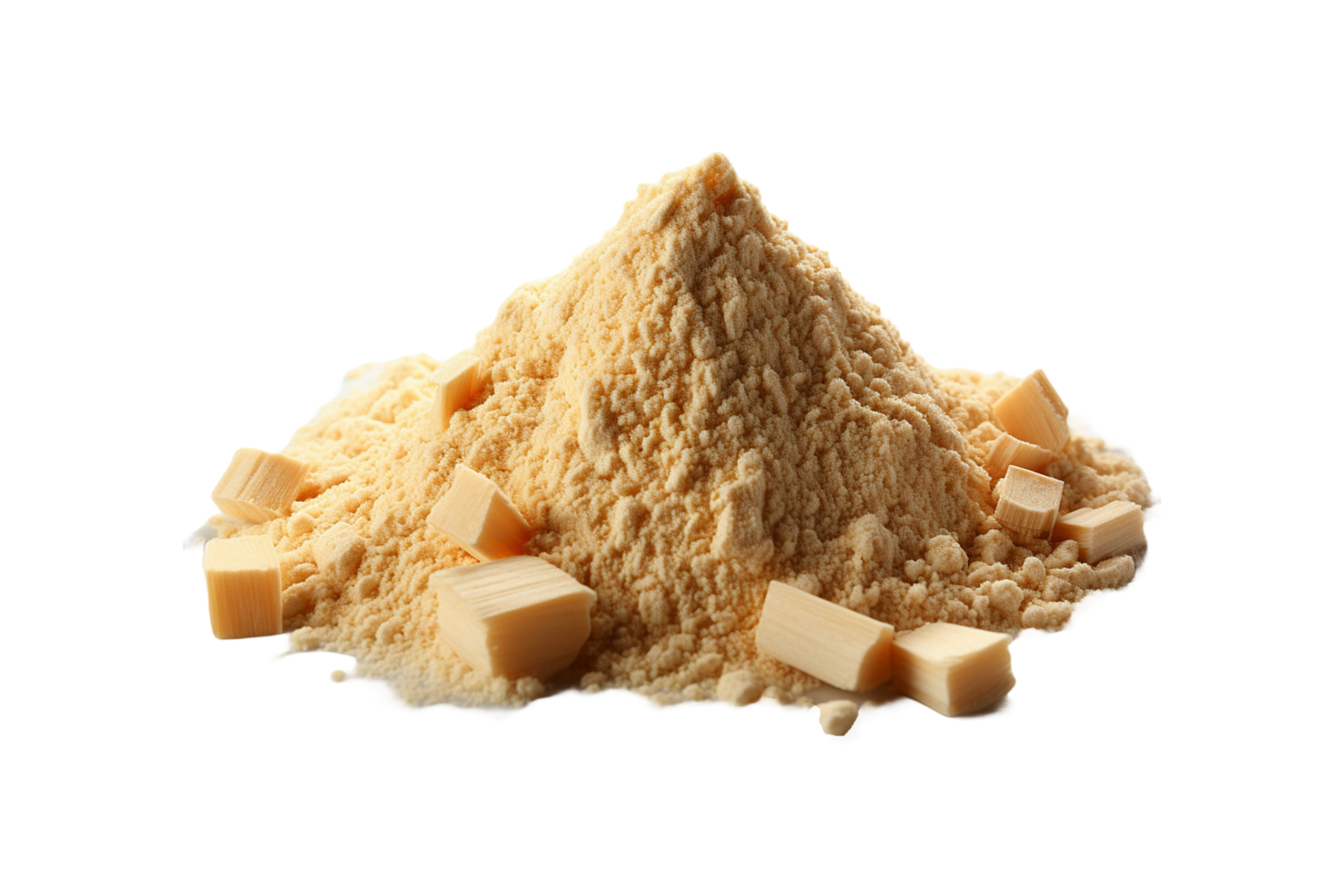
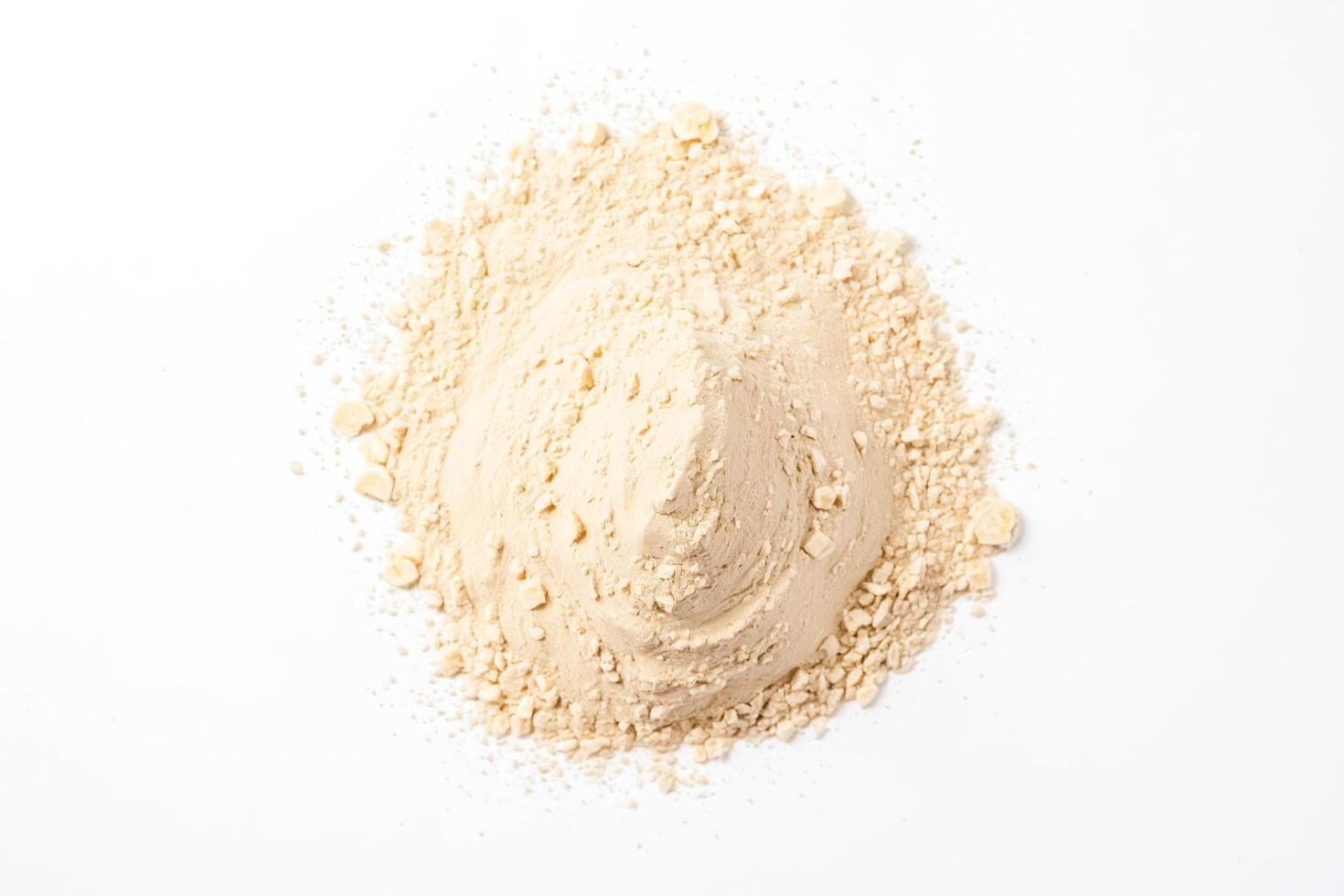
Textured soy flour is naturally gluten-free as it is made from soybeans, which do not contain gluten. However, it’s important to check product labels or contact manufacturers to ensure there has been no cross-contamination with gluten-containing ingredients during processing or packaging.

TL;DR

Textured soy flour is naturally gluten-free as it is made from soybeans, which do not contain gluten. However, it’s important to check product labels or contact manufacturers to ensure there has been no cross-contamination with gluten-containing ingredients during processing or packaging.

Quick Tips

1

High-quality protein source: TSF is rich in complete protein, containing all essential amino acids.

2

Low in saturated fat: It’s a heart-healthy alternative to many animal-based proteins.

3

Cholesterol-free: TSF contains no cholesterol, supporting cardiovascular health.

# In This Article

3 sections

Quick navigation to each section of this article:

1 Benefits of Textured Soy Flour

High-quality protein source: TSF is rich in complete protein, containing all essential amino acids.

Jump
2 Who should avoid Textured Soy Flour

People with soy allergies

Jump
3 Gluten Free Alternatives

Here are five gluten-free alternatives to Textured Soy Flour, along with brief descriptions:

Jump

Benefits of Textured Soy Flour

Benefits of Textured Soy Flour
High-quality protein source: TSF is rich in complete protein, containing all essential amino acids.
Low in saturated fat: It’s a heart-healthy alternative to many animal-based proteins.
Cholesterol-free: TSF contains no cholesterol, supporting cardiovascular health.
Rich in isoflavones: These compounds may help reduce the risk of certain cancers and improve bone density.
Good source of fiber: TSF provides dietary fiber, promoting digestive health and helping to maintain stable blood sugar levels.
Contains essential minerals: It’s a good source of iron, calcium, and zinc.
May help lower blood pressure: Some studies suggest soy protein can help reduce hypertension.
Potential menopausal symptom relief: Isoflavones in soy may help alleviate some menopausal symptoms.
Weight management: The protein and fiber content can promote feelings of fullness, potentially aiding in weight control.
Versatile meat substitute: TSF can replace meat in many dishes, making it easier to reduce saturated fat intake.
Non-dairy protein option: It’s suitable for those with lactose intolerance or following a vegan diet.
May support bone health: Soy isoflavones may help maintain bone density, especially in postmenopausal women.
Remember that while TSF offers these potential benefits, it’s important to consume it as part of a balanced diet and to consult with a healthcare professional about incorporating it into your diet, especially if you have any existing health conditions or concerns.

Who should avoid Textured Soy Flour

Who should avoid Textured Soy Flour
People with soy allergies
Those with thyroid disorders, particularly hypothyroidism
Individuals with gout or a history of gout
People with kidney stones or at high risk for developing them
Those with estrogen-sensitive conditions (e.g., certain breast cancers, endometriosis)
Individuals taking MAO inhibitors (a type of antidepressant)
People with a history of hormone-sensitive cancers
Those with digestive issues or sensitivities to FODMAPs
Individuals following a low-phytate diet
People with certain genetic variations that affect soy metabolism
Those on blood-thinning medications (due to soy’s vitamin K content)
Infants and young children (as a primary protein source)
Individuals with celiac disease or non-celiac gluten sensitivity (unless certified gluten-free)Note that for many of these groups, moderation rather than complete avoidance may be appropriate. Always consult with a healthcare professional for personalized advice.
ENJOY YOUR FAVORITE FOODS FEARLESSLY!
Don’t let gluten hold you back. Take Anti-Gluten Pills before your meal and enjoy peace of mind.
SHOP ANTI-GLUTEN PILLS
Clinically proven · Up to 86% gluten reduction · Fast acting

Gluten Free Alternatives

Here are five gluten-free alternatives to Textured Soy Flour, along with brief descriptions:

Gluten Free Alternatives
Textured Pea Protein:Made from pea protein, this alternative offers a similar texture to TVP and is high in protein. It's allergen-free and has a mild flavor that easily absorbs seasonings.
Jackfruit:While not high in protein, jackfruit has a meaty texture when unripe. It's often used as a meat substitute in dishes like pulled "pork" and is rich in fiber and various nutrients.
Mushrooms:Certain varieties like portobello or king oyster mushrooms can provide a meaty texture. They're low in calories, high in fiber, and contain various vitamins and minerals.
Quinoa:A complete protein source, quinoa can be used to add bulk and nutrition to dishes. It has a slightly nutty flavor and can be prepared in various ways to alter its texture.
Textured Sunflower Protein:Made from sunflower seeds, this alternative is allergen-friendly and high in protein. It has a neutral flavor and can be used similarly to TVP in recipes.

Health Information

? Frequently Asked Questions

4 questions
1 Does textured soy flour have gluten?
Textured soy flour itself does not naturally contain gluten. It is made from soybeans, which are inherently gluten-free. However, cross-contamination during processing or the addition of other ingredients could potentially introduce gluten. It's important for those with gluten sensitivities to check product labels or contact manufacturers to confirm gluten-free status.
2 Can celiacs eat soy flour?
Yes, celiacs can generally eat soy flour. Soy flour is naturally gluten-free and safe for people with celiac disease to consume. However, it's important to check labels to ensure the soy flour hasn't been cross-contaminated with gluten-containing grains during processing. As with any food, individuals with celiac disease should consult their doctor or dietitian if they have concerns about incorporating soy flour into their diet.
3 What are the disadvantages of TVP?
TVP (textured vegetable protein) can have a bland taste and unappealing texture if not prepared properly. It may cause digestive issues like gas or bloating in some people, especially when first introducing it to their diet. Some brands of TVP may contain additives or preservatives that some consumers prefer to avoid. Additionally, as a processed food, TVP lacks some of the nutrients found in whole soy products.
4 What is textured soy flour used for?
Textured soy flour is primarily used as a meat substitute or extender in various dishes. It's popular in vegetarian and vegan recipes to mimic the texture of ground meat. Textured soy flour can be rehydrated and added to stews, chili, tacos, and pasta sauces to boost protein content. It's also used in some commercial food products as a low-cost protein filler.
LIVE GLUTEN-FREE WITHOUT THE FUSS!
Introducing Tolerase® G, clinically proven to reduce up to 86% of gluten in under 10 minutes. Experience the freedom to eat what you love.
SHOP ANTI-GLUTEN PILLS
150mg pure Tolerase® G · Reduces gluten by 86% · Under 10 minutes

Our Expert

Drs. Ilse van Asperen, Orthomolecular Therapist and Nutritional Coach

Drs. Ilse van Asperen

Orthomolecular Therapist, Nutritional Coach & Professional Editor

Drs. Ilse van Asperen is a medical doctor specialising in orthomolecular therapy and nutritional coaching. With a background in public and clinical health research and management, she focuses on addressing the root causes of health issues through diet, gut health, and stress reduction. As a professional editor for Little Helpers, she reviews all gluten-free content to ensure accuracy, safety, and scientific credibility. Read more on Drs. Ilse van Asperen's own website

Our Sources

The information on this page is based on reputable health and nutrition organisations, ensuring accuracy and reliability for anyone following a gluten-free diet. For further details, see the sources below.
Sources

Similar Articles

Back to blog