Share
TL;DR
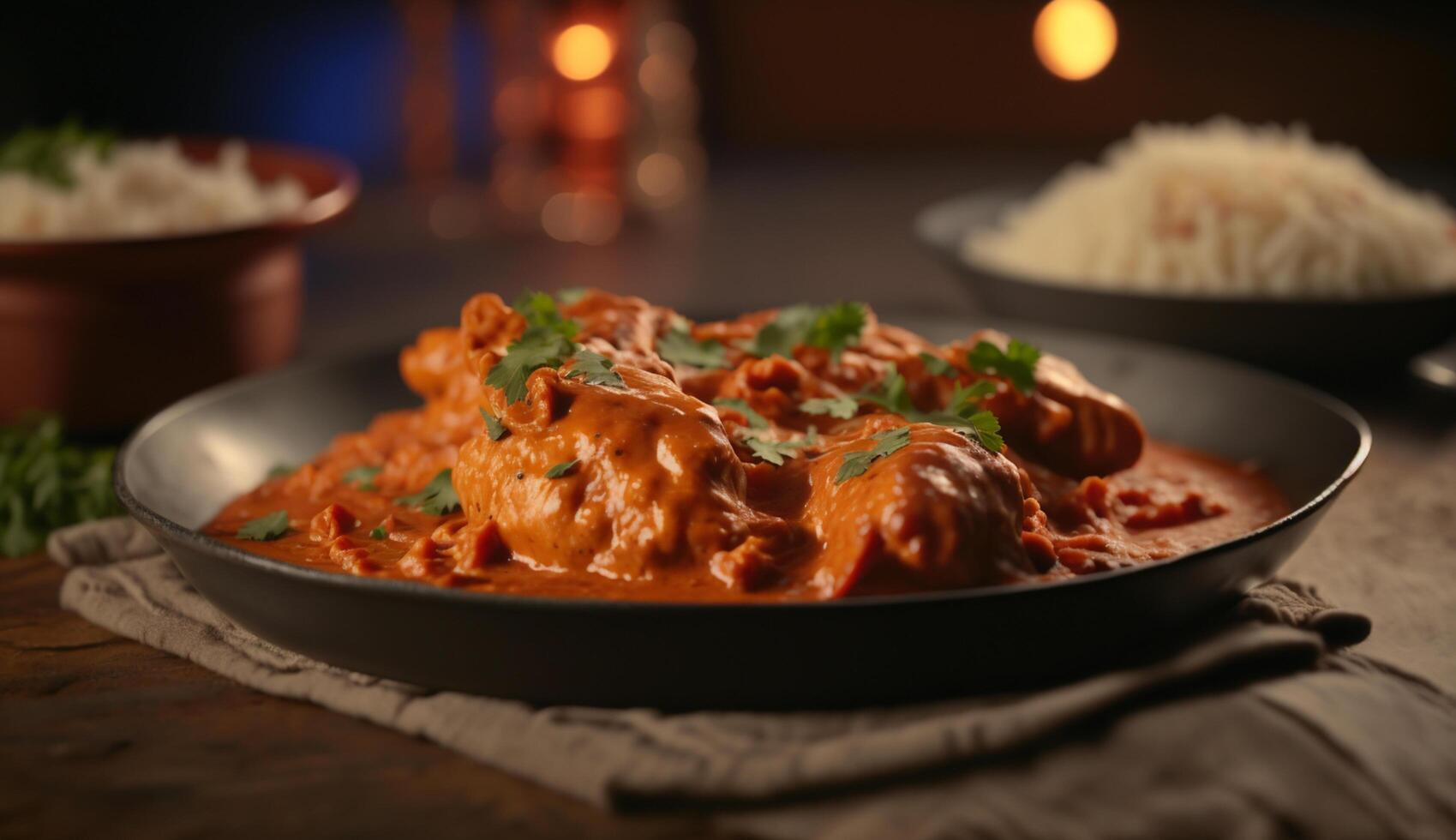
Tikka Masala is typically gluten-free as its main ingredients (chicken, yogurt, tomatoes, and spices) do not contain gluten. However, it’s important to verify with the specific restaurant or recipe, as some versions may use flour as a thickener or include other gluten-containing ingredients.
Quick Tips
1Source of protein: The chicken or other meat used provides essential amino acids for muscle growth and repair.
2Antioxidants: Tomatoes in the sauce contain lycopene, a powerful antioxidant.
3Anti-inflammatory properties: Spices like turmeric and ginger have potential anti-inflammatory effects.
# In This Article
3 sectionsQuick navigation to each section of this article:
1 Benefits of Tikka Masala
Source of protein: The chicken or other meat used provides essential amino acids for muscle growth and repair.
Jump2 Who should avoid Tikka Masala
People with dairy allergies or lactose intolerance (due to the cream used in the sauce)
Jump3 Related Gluten Free Products
Here are five gluten-free options similar to Tikka Masala, along with short descriptions:
JumpBenefits of Tikka Masala
| Benefits of Tikka Masala |
|---|
| Source of protein: The chicken or other meat used provides essential amino acids for muscle growth and repair. |
| Antioxidants: Tomatoes in the sauce contain lycopene, a powerful antioxidant. |
| Anti-inflammatory properties: Spices like turmeric and ginger have potential anti-inflammatory effects. |
| Digestive aid: Spices such as cumin and coriander may help improve digestion. |
| Vitamin C: Tomatoes and bell peppers (if included) provide vitamin C, supporting immune function. |
| Calcium: If made with yogurt, it can contribute to calcium intake for bone health. |
| Metabolism boost: Spices like cayenne pepper may slightly increase metabolism. |
| Heart health: Garlic and onions contain compounds that may support cardiovascular health. |
| Vitamin A: If made with cream or butter, it provides some vitamin A for eye health. |
| Iron: When made with meat, it can be a good source of iron for red blood cell production.Remember that traditional Tikka Masala can be high in calories and fat, so moderation is key to enjoying its potential benefits while maintaining a healthy diet. |
Who should avoid Tikka Masala
| Who should avoid Tikka Masala |
|---|
| People with dairy allergies or lactose intolerance (due to the cream used in the sauce) |
| Individuals with nut allergies (as some recipes may include cashews or almonds) |
| Those with gluten sensitivities (if the dish is served with naan bread or if flour is used as a thickener) |
| People on low-fat diets (due to the high fat content from cream and oil) |
| Individuals with high blood pressure (due to the potentially high sodium content) |
| Those following a vegan or vegetarian diet (if the dish contains meat, though vegetarian versions exist) |
| People with garlic or onion allergies or intolerances |
| Individuals with tomato allergies or sensitivities |
| Those following a low-FODMAP diet (due to onions and garlic) |
| People with spice sensitivities or digestive issues exacerbated by spicy foods |
| Individuals on a low-calorie diet (as Tikka Masala can be high in calories) |
| Those with certain gastrointestinal conditions that are triggered by rich or spicy foodsRemember that many of these concerns can be addressed by modifying the recipe or choosing alternative ingredients. Always consult with a healthcare professional if you have specific dietary concerns or restrictions. |
Related Gluten Free Products
Here are five gluten-free options similar to Tikka Masala, along with short descriptions:
| Related Gluten Free Products |
|---|
| Tandoori Chicken: A popular Indian dish featuring chicken marinated in yogurt and spices, then cooked in a tandoor (clay oven). It's naturally gluten-free and offers a smoky, tangy flavor. |
| Butter Chicken: A creamy, tomato-based curry with tender pieces of chicken. This mild, slightly sweet dish is typically gluten-free and pairs well with rice or gluten-free naan. |
| Vindaloo: A spicy curry originating from Goa, India, usually made with pork, chicken, or lamb. It's naturally gluten-free and known for its fiery heat and tangy vinegar notes. |
| Rogan Josh: A aromatic Kashmiri dish made with lamb or goat, featuring a rich sauce of yogurt, tomatoes, and fragrant spices. It's typically gluten-free and offers a milder heat compared to other curries. |
| Saag: A leaf-based dish, often made with spinach or mustard greens, that can be prepared with meat or as a vegetarian option. It's naturally gluten-free and provides a creamy, nutrient-rich alternative to tomato-based curries. |
Health Information
? Frequently Asked Questions
4 questions1 Which Indian dishes are gluten-free?
2 Is tikka curry paste gluten-free?
3 Is meat masala gluten-free?
4 What does tikka masala sauce contain?
Our Expert
Drs. Ilse van Asperen
Orthomolecular Therapist, Nutritional Coach & Professional Editor
Drs. Ilse van Asperen is a medical doctor specialising in orthomolecular therapy and nutritional coaching. With a background in public and clinical health research and management, she focuses on addressing the root causes of health issues through diet, gut health, and stress reduction. As a professional editor for Little Helpers, she reviews all gluten-free content to ensure accuracy, safety, and scientific credibility. Read more on Drs. Ilse van Asperen's own website
Our Sources
The information on this page is based on reputable health and nutrition organisations, ensuring accuracy and reliability for anyone following a gluten-free diet. For further details, see the sources below.