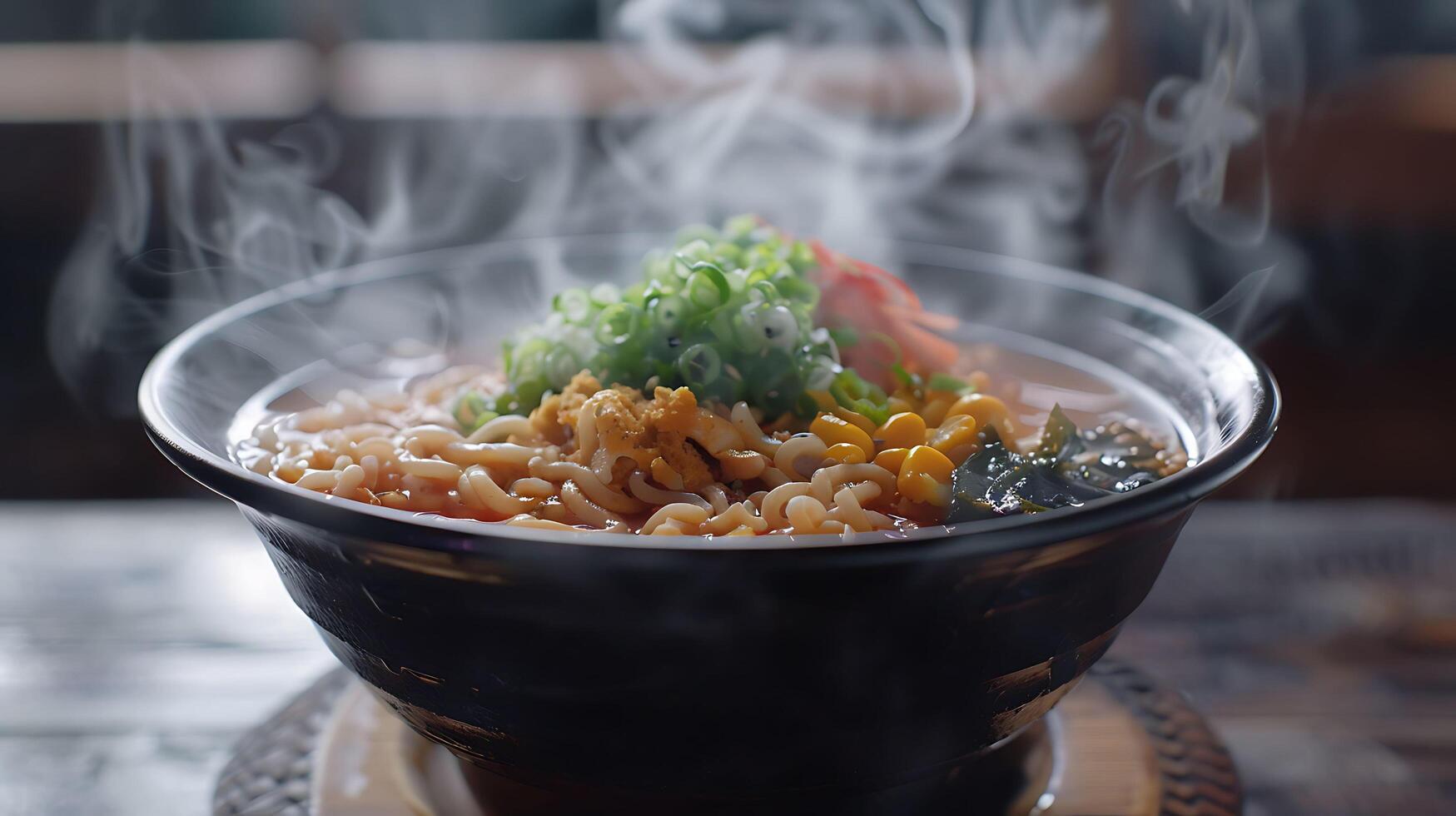
Is Top Ramen Gluten Free?

Is Top Ramen Gluten Free?

Top Ramen is not gluten-free, as it contains wheat flour as a main ingredient in its noodles. However, Nissin Foods (the company that makes Top Ramen) does offer a gluten-free option called “Rice Noodles” in some markets, which is made with rice flour instead of wheat flour.

TL;DR

Top Ramen is not gluten-free, as it contains wheat flour as a main ingredient in its noodles. However, Nissin Foods (the company that makes Top Ramen) does offer a gluten-free option called “Rice Noodles” in some markets, which is made with rice flour instead of wheat flour.

Quick Tips

1

Provides quick energy due to its high carbohydrate content

2

Can be a low-cost food option for those on a tight budget

3

Convenient and easy to prepare, requiring minimal cooking skills

# In This Article

3 sections

Quick navigation to each section of this article:

1 Benefits of Top Ramen

Provides quick energy due to its high carbohydrate content

Jump
2 Who should avoid Top Ramen

People with high blood pressure: Due to its high sodium content

Jump
3 Gluten Free Alternatives

Here are five gluten-free alternatives to Top Ramen, along with short descriptions for each:

Jump

Benefits of Top Ramen

Benefits of Top Ramen
Provides quick energy due to its high carbohydrate content
Can be a low-cost food option for those on a tight budget
Convenient and easy to prepare, requiring minimal cooking skills
Can be a comforting food during illness or recovery
May help maintain calorie intake for those struggling to eat enough
Can be customized with added vegetables or protein to improve nutritional value
Shelf-stable and portable, making it useful in emergency situations
Can be a source of warmth on cold daysIt’s important to emphasize that these benefits are limited, and Top Ramen should not be considered a health food or a regular part of a balanced diet. For optimal health, it’s best to focus on whole, nutrient-dense foods.

Who should avoid Top Ramen

Who should avoid Top Ramen
People with high blood pressure: Due to its high sodium content
Individuals with heart disease: Because of its high sodium and saturated fat content
Those with diabetes: Due to its high refined carbohydrate content and potential impact on blood sugar levels
People with celiac disease or gluten sensitivity: As most Top Ramen varieties contain wheat
Individuals with MSG sensitivity: Since many flavors contain monosodium glutamate
Those on a low-sodium diet: Because of its high salt content
People trying to lose weight: Due to its high calorie content and low nutritional value
Individuals with kidney problems: The high sodium content can be problematic for kidney function
Those with certain food allergies: Some varieties may contain allergens like soy or egg
People following a whole food or clean eating diet: Due to its highly processed nature
Pregnant women: Because of its low nutritional value and high sodium content
Individuals with certain gastrointestinal issues: The high sodium and MSG content may exacerbate symptomsRemember, occasional consumption may be fine for some people, but it’s always best to consult with a healthcare professional or nutritionist for personalized advice.
ENJOY YOUR FAVORITE FOODS FEARLESSLY!
Don’t let gluten hold you back. Take Anti-Gluten Pills before your meal and enjoy peace of mind.
SHOP ANTI-GLUTEN PILLS
Clinically proven · Up to 86% gluten reduction · Fast acting

Gluten Free Alternatives

Here are five gluten-free alternatives to Top Ramen, along with short descriptions for each:

Gluten Free Alternatives
Lotus Foods Rice Ramen:Made from organic rice, these noodles come in various flavors and are a popular gluten-free option. They cook quickly and have a texture similar to traditional wheat-based ramen.
Miracle Noodle Zero Carb, Gluten-Free Shirataki Ramen:These noodles are made from konjac root and are virtually calorie-free. They have a slightly different texture than wheat noodles but absorb flavors well and are ideal for those watching their carb intake.
Thai Kitchen Rice Noodle Soup Bowls:These convenient soup bowls feature rice noodles in a variety of Thai-inspired flavors. They're gluten-free and ready in minutes, making them a quick and easy meal option.
Pamela's Gluten-Free Ramen Soup Cups:Made with rice noodles, these soup cups come in classic ramen flavors. They're designed to mimic the taste and experience of traditional ramen while remaining gluten-free.
King Soba Organic Brown Rice Ramen Noodles:These noodles are made from organic brown rice, offering a nutty flavor and more fiber than white rice alternatives. They can be used in soups or stir-fries and cook in just a few minutes.

Health Information

? Frequently Asked Questions

4 questions
1 Why is ramen not gluten free?
Ramen is not gluten-free because its main ingredient is wheat flour. Wheat flour contains gluten, a protein found in wheat, barley, and rye. Traditional ramen noodles are made by kneading wheat flour, salt, and water, then cutting the dough into thin strips. While there are gluten-free ramen alternatives made from rice or other gluten-free flours, traditional ramen always contains gluten.
2 What is a gluten free alternative to ramen noodles?
Rice noodles are an excellent gluten-free alternative to ramen noodles. They have a similar texture and can be used in many of the same dishes. Another option is shirataki noodles, which are made from konjac yam and are virtually calorie-free. For those looking for a vegetable-based alternative, zucchini noodles or "zoodles" can be a healthy and gluten-free substitute in ramen-style dishes.
3 Is there gluten in Maruchan Ramen seasoning?
Maruchan Ramen seasoning packets typically contain gluten. The main source of gluten in these seasonings is usually wheat-based hydrolyzed vegetable protein. Some flavors may also include soy sauce, which often contains wheat. However, it's always best to check the specific ingredient list on the package, as formulations can change.
4 Is Top Ramen made of wheat?
Top Ramen noodles are typically made from wheat flour. The main ingredients usually include enriched wheat flour, vegetable oil, and various seasonings. However, some varieties of Top Ramen may use different types of flour or be wheat-free. It's always best to check the specific product's ingredient list for the most accurate information.
LIVE GLUTEN-FREE WITHOUT THE FUSS!
Introducing Tolerase® G, clinically proven to reduce up to 86% of gluten in under 10 minutes. Experience the freedom to eat what you love.
SHOP ANTI-GLUTEN PILLS
150mg pure Tolerase® G · Reduces gluten by 86% · Under 10 minutes

Our Expert

Drs. Ilse van Asperen, Orthomolecular Therapist and Nutritional Coach

Drs. Ilse van Asperen

Orthomolecular Therapist, Nutritional Coach & Professional Editor

Drs. Ilse van Asperen is a medical doctor specialising in orthomolecular therapy and nutritional coaching. With a background in public and clinical health research and management, she focuses on addressing the root causes of health issues through diet, gut health, and stress reduction. As a professional editor for Little Helpers, she reviews all gluten-free content to ensure accuracy, safety, and scientific credibility. Read more on Drs. Ilse van Asperen's own website

Our Sources

The information on this page is based on reputable health and nutrition organisations, ensuring accuracy and reliability for anyone following a gluten-free diet. For further details, see the sources below.
Sources

Similar Articles

Back to blog