Share
TL;DR
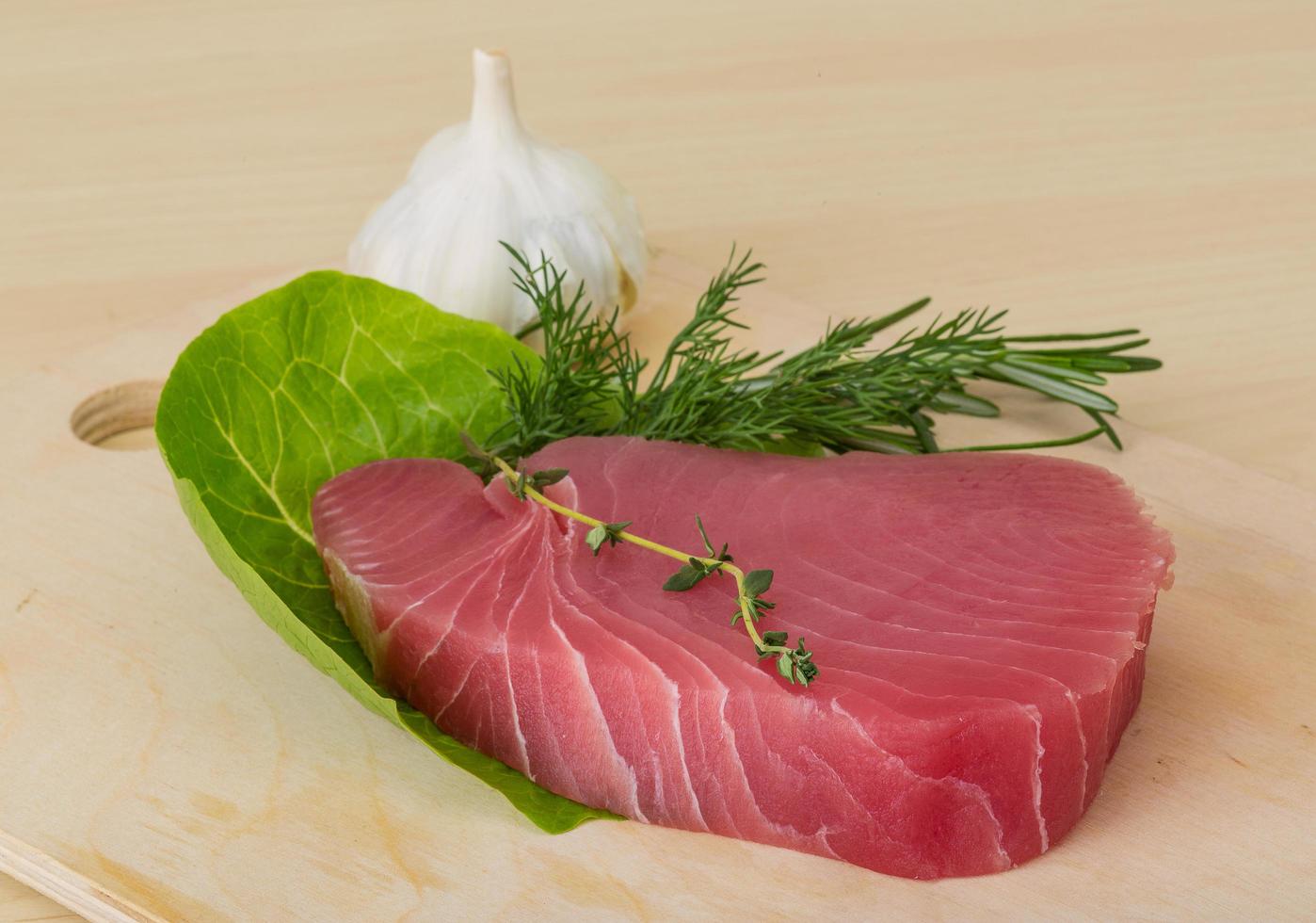
Yes, plain tuna fish is naturally gluten-free as it is simply fish and does not contain any wheat, barley, rye, or other gluten-containing grains. However, it’s important to check labels on canned or packaged tuna products, as some may contain additives or flavorings that could potentially include gluten.
Quick Tips
1High in protein: Tuna is an excellent source of lean protein, essential for muscle growth and repair.
2Rich in omega-3 fatty acids: These healthy fats support heart health, reduce inflammation, and promote brain function.
3Low in calories: Tuna is a low-calorie food, making it beneficial for weight management.
# In This Article
3 sectionsQuick navigation to each section of this article:
1 Benefits of Tuna Fish
High in protein: Tuna is an excellent source of lean protein, essential for muscle growth and repair.
Jump2 Who should avoid Tuna Fish
Pregnant women: Due to the risk of mercury exposure, which can harm fetal development.
Jump3 Related Gluten Free Products
Here are five similar gluten-free options to Tuna Fish, along with short descriptions:
JumpBenefits of Tuna Fish
| Benefits of Tuna Fish |
|---|
| High in protein: Tuna is an excellent source of lean protein, essential for muscle growth and repair. |
| Rich in omega-3 fatty acids: These healthy fats support heart health, reduce inflammation, and promote brain function. |
| Low in calories: Tuna is a low-calorie food, making it beneficial for weight management. |
| Contains essential vitamins: Tuna is a good source of vitamins B6 and B12, which support energy metabolism and nervous system function. |
| Provides minerals: It contains selenium, magnesium, and potassium, which are important for various bodily functions. |
| May lower blood pressure: The omega-3s in tuna can help reduce blood pressure. |
| Boosts immune system: Tuna contains zinc, which helps support immune function. |
| Supports eye health: The omega-3s in tuna may help prevent age-related macular degeneration. |
| May reduce the risk of certain cancers: Some studies suggest that consuming fish like tuna may lower the risk of certain types of cancer. |
| Helps in thyroid function: Tuna is a good source of iodine, which is essential for proper thyroid function. |
| Supports bone health: The vitamin D content in tuna contributes to maintaining strong bones.Remember to consume tuna in moderation due to potential mercury content, especially for pregnant women and young children. |
Who should avoid Tuna Fish
| Who should avoid Tuna Fish |
|---|
| Pregnant women: Due to the risk of mercury exposure, which can harm fetal development. |
| Breastfeeding mothers: Mercury can pass through breast milk to infants. |
| Young children: Their developing nervous systems are more susceptible to mercury’s effects. |
| People with mercury allergies or sensitivities. |
| Individuals with a fish or shellfish allergy: While rare, some people may be allergic to tuna. |
| Those with gout or at high risk for gout: Tuna is high in purines, which can trigger gout attacks. |
| People with kidney problems: High protein content in tuna may stress the kidneys. |
| Individuals taking MAO inhibitors: Tuna contains high levels of histamine, which can interact with these medications. |
| Those with cardiovascular concerns: Some types of tuna are high in sodium and cholesterol. |
| People with compromised immune systems: Raw or undercooked tuna may pose a risk of foodborne illness. |
| Individuals on a low-sodium diet: Canned tuna often contains added salt.Remember, it’s always best to consult with a healthcare professional for personalized dietary advice. |
Related Gluten Free Products
Here are five similar gluten-free options to Tuna Fish, along with short descriptions:
| Related Gluten Free Products |
|---|
| Salmon: Rich in omega-3 fatty acids, salmon is a versatile fish that can be grilled, baked, or smoked. It has a distinct flavor and tender texture, making it popular in various cuisines. |
| Sardines: These small, oily fish are packed with nutrients like omega-3s, calcium, and vitamin D. They can be eaten straight from the can or used in salads, pasta dishes, or as a spread. |
| Mackerel: Known for its rich, flavorful meat, mackerel is high in omega-3s and vitamin B12. It can be grilled, smoked, or canned and is often used in Mediterranean and Asian dishes. |
| Trout: With a mild, delicate flavor, trout is an excellent source of protein and omega-3s. It can be baked, grilled, or pan-fried and is popular in both freshwater and saltwater varieties. |
| Canned Chicken: While not a fish, canned chicken is a convenient, gluten-free alternative to tuna. It's high in protein, low in fat, and can be used in many of the same recipes as canned tuna, such as salads and sandwiches. |
Health Information
? Frequently Asked Questions
4 questions1 Is StarKist canned tuna gluten free?
2 Is albacore tuna gluten free?
3 Is cooked tuna gluten free?
4 What seafood is not gluten free?
Our Expert
Drs. Ilse van Asperen
Orthomolecular Therapist, Nutritional Coach & Professional Editor
Drs. Ilse van Asperen is a medical doctor specialising in orthomolecular therapy and nutritional coaching. With a background in public and clinical health research and management, she focuses on addressing the root causes of health issues through diet, gut health, and stress reduction. As a professional editor for Little Helpers, she reviews all gluten-free content to ensure accuracy, safety, and scientific credibility. Read more on Drs. Ilse van Asperen's own website
Our Sources
The information on this page is based on reputable health and nutrition organisations, ensuring accuracy and reliability for anyone following a gluten-free diet. For further details, see the sources below.