Share
TL;DR
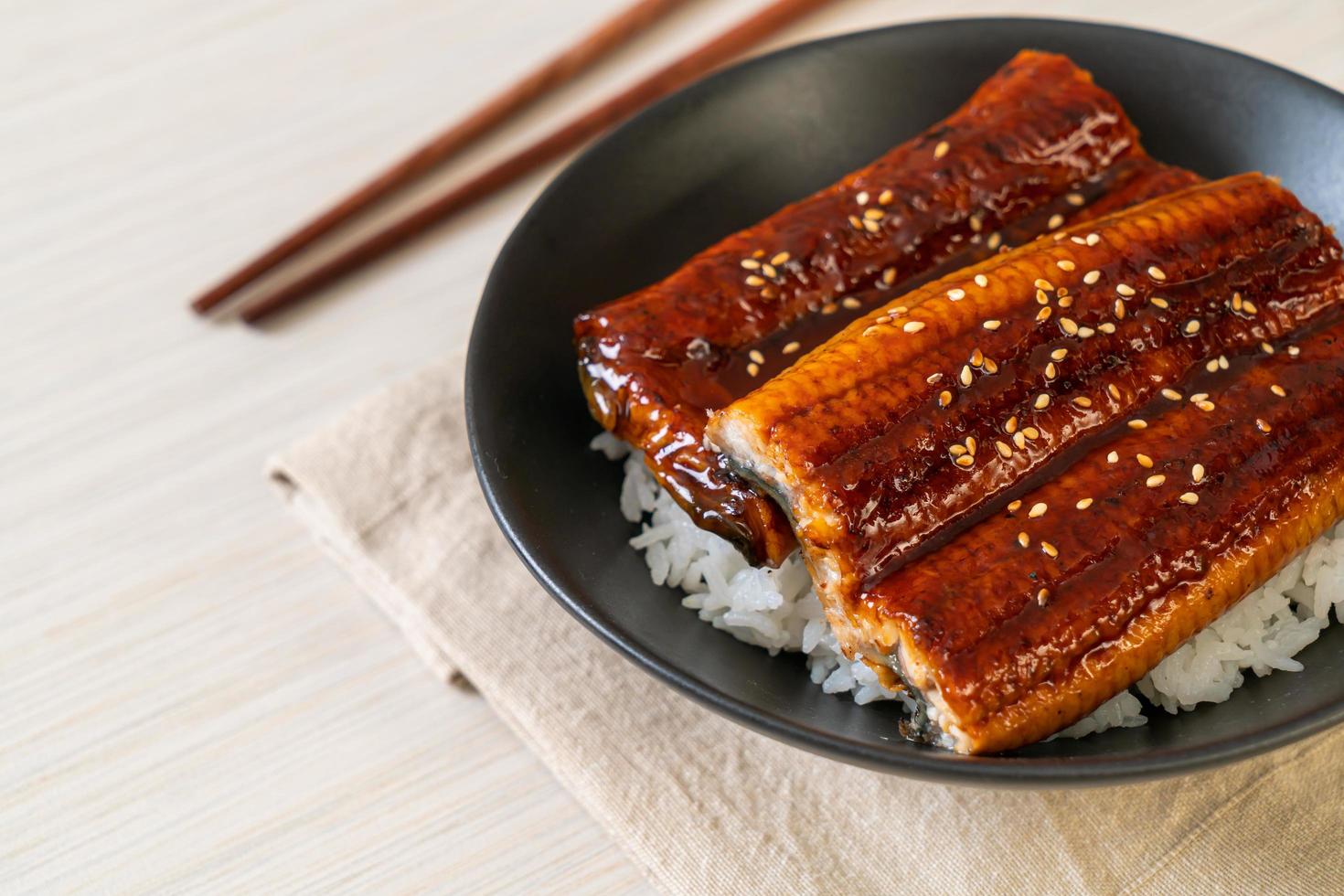
Traditionally made unagi sauce typically contains soy sauce, which usually contains wheat and is therefore not gluten-free. However, there are gluten-free versions of unagi sauce available, made with tamari or other gluten-free soy sauce alternatives, so it’s important to check the specific ingredients or look for a labeled gluten-free option if you need to avoid gluten.
Quick Tips
1Low in calories: When used in moderation, it adds flavor without significantly increasing calorie intake
2Contains soy sauce, which: – Provides small amounts of protein – Contains antioxidants – May have some probiotic properties
3Contains mirin (sweet rice wine), which: – Has trace amounts of amino acids – Contains small amounts of vitamins and minerals
# In This Article
3 sectionsQuick navigation to each section of this article:
1 Benefits of Unagi Sauce
Low in calories: When used in moderation, it adds flavor without significantly increasing calorie intake
Jump2 Who should avoid Unagi Sauce
People with soy allergies: Unagi sauce typically contains soy sauce as a main ingredient.
Jump3 Gluten Free Alternatives
Here are five gluten-free alternatives to Unagi Sauce, along with brief descriptions:
JumpBenefits of Unagi Sauce
| Benefits of Unagi Sauce |
|---|
| Low in calories: When used in moderation, it adds flavor without significantly increasing calorie intake |
| Contains soy sauce, which: – Provides small amounts of protein – Contains antioxidants – May have some probiotic properties |
| Contains mirin (sweet rice wine), which: – Has trace amounts of amino acids – Contains small amounts of vitamins and minerals |
| May contain sake, which in small amounts: – Has some antioxidant properties – May have trace amounts of vitamins and minerals |
| Contains sugar, which: – Provides quick energy (though this is generally not considered a health benefit)It’s important to note that Unagi Sauce is typically high in sodium and sugar, so it should be consumed in moderation as part of a balanced diet. The sauce itself is not considered a health food, and any potential benefits are minimal compared to whole food sources of nutrients. |
Who should avoid Unagi Sauce
| Who should avoid Unagi Sauce |
|---|
| People with soy allergies: Unagi sauce typically contains soy sauce as a main ingredient. |
| Individuals with gluten sensitivities or celiac disease: Most soy sauces contain wheat, which has gluten. |
| Those on low-sodium diets: Unagi sauce is high in sodium due to its soy sauce content. |
| People with diabetes or watching their sugar intake: The sauce usually contains sugar or mirin (sweet rice wine). |
| Individuals avoiding alcohol: Some recipes include sake or mirin, which contain small amounts of alcohol. |
| Those following a strict vegan or vegetarian diet: Some versions may contain fish-based ingredients. |
| People with shellfish allergies: While uncommon, some recipes might include shellfish-derived ingredients. |
| Individuals with MSG sensitivities: Some commercial versions may contain added MSG. |
| Those following certain religious dietary restrictions: The sauce may not be compliant with some religious dietary laws.Always check ingredient lists or consult with the chef if you have specific dietary concerns or restrictions. |
Gluten Free Alternatives
Here are five gluten-free alternatives to Unagi Sauce, along with brief descriptions:
| Gluten Free Alternatives |
|---|
| Tamari-based sauce:A rich, savory sauce made with tamari (gluten-free soy sauce), mirin, and sugar. It closely mimics the flavor profile of traditional unagi sauce while remaining gluten-free. |
| Coconut aminos sauce:A soy-free and gluten-free alternative made from coconut sap, mixed with vinegar and spices. It offers a slightly sweet and umami flavor similar to unagi sauce. |
| Maple-teriyaki sauce:A gluten-free blend of maple syrup, tamari, rice vinegar, and ginger. This sauce provides a balance of sweet and savory notes reminiscent of unagi sauce. |
| Balsamic glaze:A reduction of balsamic vinegar and sweetener (like honey or agave) that creates a thick, syrupy sauce. While different from traditional unagi sauce, it offers a similar sweet and tangy flavor profile. |
| Homemade gluten-free eel sauce:A DIY option made with gluten-free soy sauce, mirin, sake, and sugar. This allows for customization of flavors while maintaining the essence of unagi sauce without gluten. |
Health Information
? Frequently Asked Questions
4 questions1 Is there gluten in unagi sauce?
2 What is unagi sauce made of?
3 Is Chinese fish sauce gluten-free?
4 What makes sushi not gluten-free?
Our Expert
Drs. Ilse van Asperen
Orthomolecular Therapist, Nutritional Coach & Professional Editor
Drs. Ilse van Asperen is a medical doctor specialising in orthomolecular therapy and nutritional coaching. With a background in public and clinical health research and management, she focuses on addressing the root causes of health issues through diet, gut health, and stress reduction. As a professional editor for Little Helpers, she reviews all gluten-free content to ensure accuracy, safety, and scientific credibility. Read more on Drs. Ilse van Asperen's own website
Our Sources
The information on this page is based on reputable health and nutrition organisations, ensuring accuracy and reliability for anyone following a gluten-free diet. For further details, see the sources below.