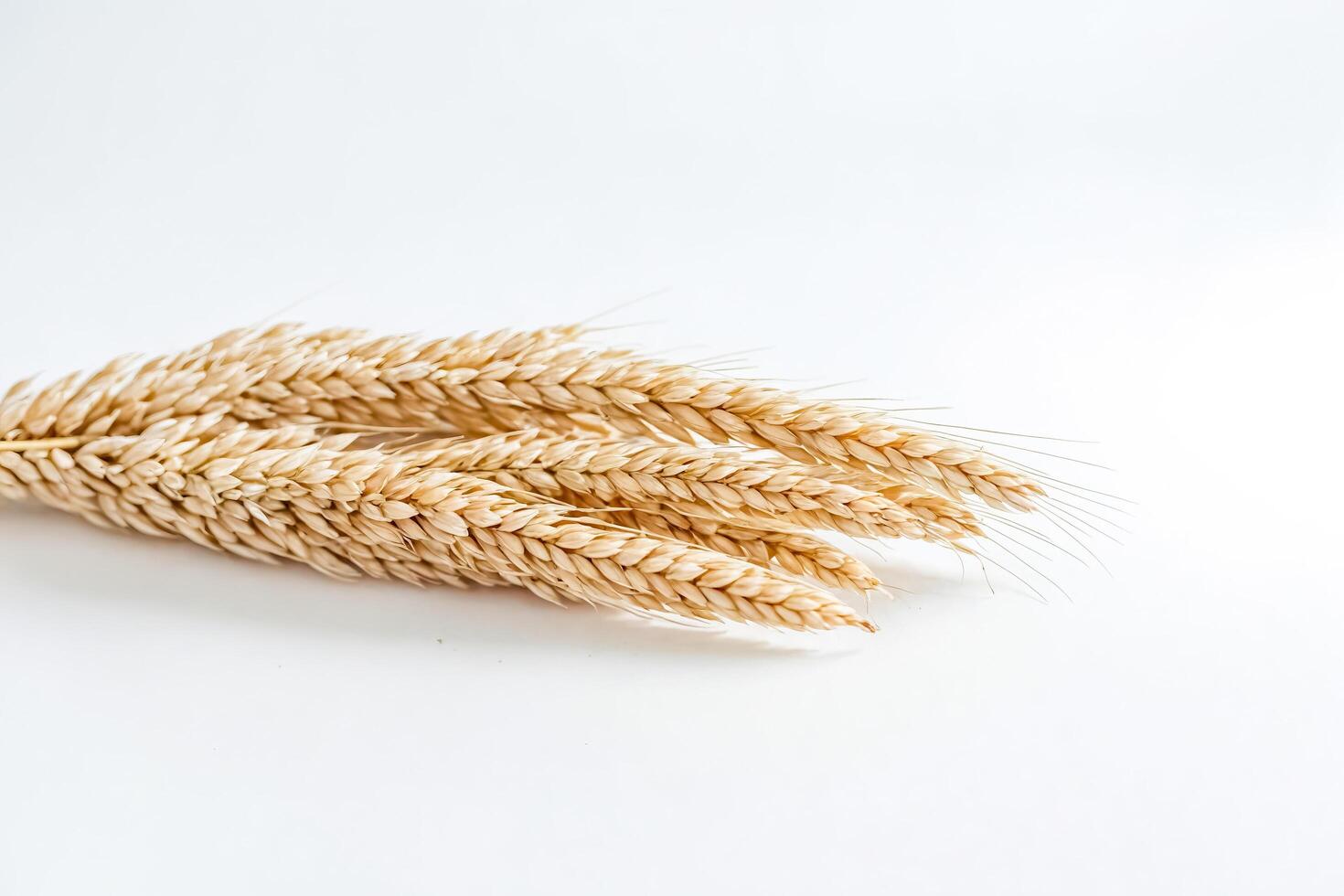
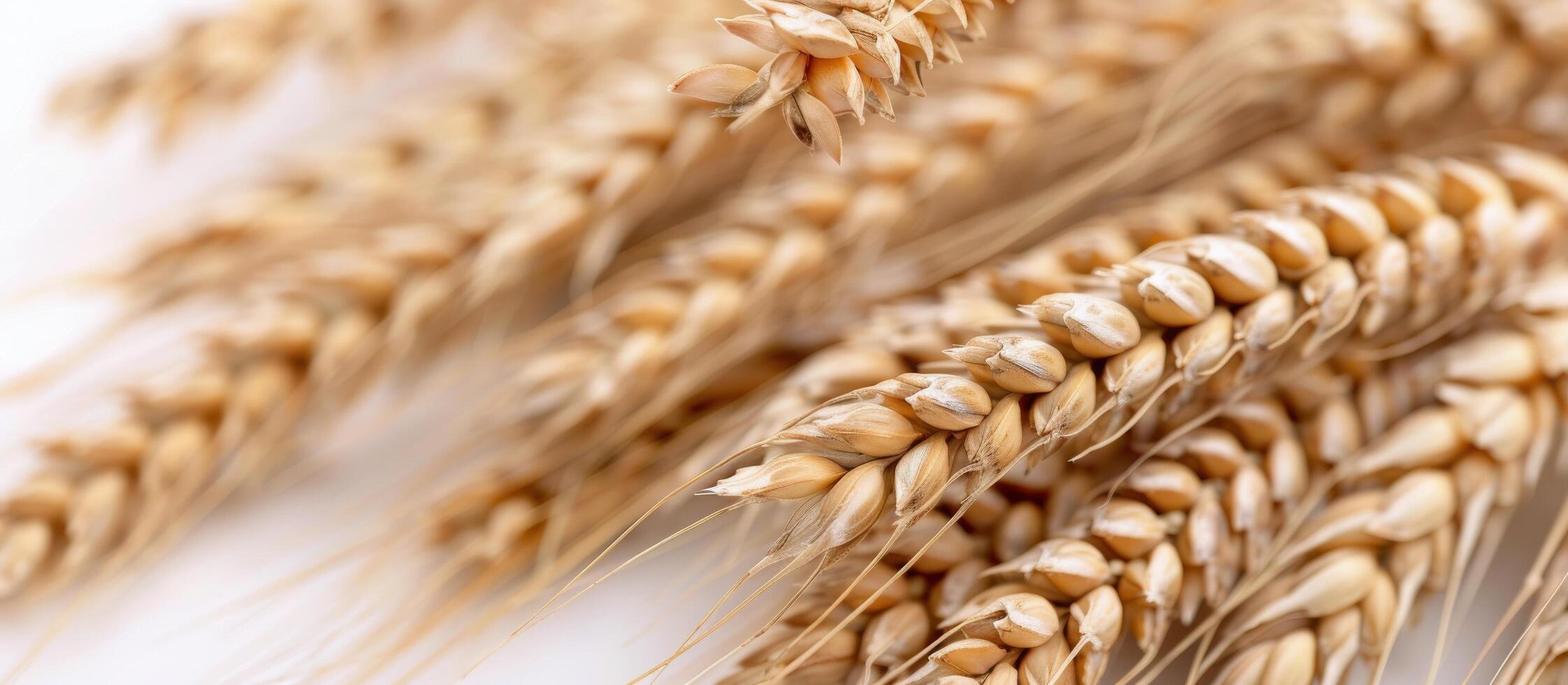
Is Wheat Gluten Gluten Free?

Is Wheat Gluten Gluten Free?

Wheat gluten is not gluten-free. It is, in fact, the primary source of gluten in wheat and contains high amounts of the protein.

TL;DR

Wheat gluten is not gluten-free. It is, in fact, the primary source of gluten in wheat and contains high amounts of the protein.

Quick Tips

1

High protein content: Wheat gluten is an excellent source of plant-based protein, making it beneficial for vegetarians and vegans.

2

Low in fat: Gluten is naturally low in fat, which can be beneficial for those looking to maintain a healthy weight or reduce their fat intake.

3

Rich in essential amino acids: Wheat gluten contains all nine essential amino acids, making it a complete protein source.

# In This Article

3 sections

Quick navigation to each section of this article:

1 Benefits of Wheat Gluten

High protein content: Wheat gluten is an excellent source of plant-based protein, making it beneficial for vegetarians and vegans.

Jump
2 Who should avoid Wheat Gluten

People diagnosed with celiac disease

Jump
3 Gluten Free Alternatives

Here are five gluten-free alternatives to wheat gluten, along with short descriptions:

Jump

Benefits of Wheat Gluten

Benefits of Wheat Gluten
High protein content: Wheat gluten is an excellent source of plant-based protein, making it beneficial for vegetarians and vegans.
Low in fat: Gluten is naturally low in fat, which can be beneficial for those looking to maintain a healthy weight or reduce their fat intake.
Rich in essential amino acids: Wheat gluten contains all nine essential amino acids, making it a complete protein source.
Good source of iron: Gluten can provide a significant amount of iron, which is essential for oxygen transport in the body and preventing anemia.
Contains minerals: Wheat gluten provides minerals such as selenium, which acts as an antioxidant in the body.
May improve muscle mass: Due to its high protein content, wheat gluten may help in building and maintaining muscle mass when combined with resistance training.
Versatile meat substitute: For those reducing meat consumption, wheat gluten (seitan) can be a versatile and satisfying meat alternative.
Potential cardiovascular benefits: Some studies suggest that consuming wheat gluten may help lower cholesterol levels and reduce the risk of heart disease.
May aid in digestive health: For those without gluten sensitivities, the fiber content in wheat products containing gluten can support digestive health.
Satiety: The protein in wheat gluten can help increase feelings of fullness, potentially aiding in weight management.It’s important to note that these benefits apply only to individuals who do not have celiac disease, gluten sensitivity, or wheat allergies. Always consult with a healthcare professional before making significant changes to your diet.

Who should avoid Wheat Gluten

Who should avoid Wheat Gluten
People diagnosed with celiac disease
Individuals with non-celiac gluten sensitivity
Those with wheat allergy
People with gluten ataxia
Individuals with dermatitis herpetiformis
Some people with irritable bowel syndrome (IBS) who find gluten triggers symptoms
Those with gluten-sensitive enteropathy
Individuals following a specific diet plan that excludes gluten (e.g., Paleo diet)
People with certain autoimmune disorders who find gluten exacerbates their condition
Some individuals with autism spectrum disorders (based on personal or caregiver observations)
Those with gluten-induced gastrointestinal symptoms
Individuals with certain neurological disorders who may benefit from a gluten-free diet
People undergoing elimination diets to identify food sensitivitiesRemember that it’s important to consult with a healthcare professional before making significant dietary changes, especially if you suspect a gluten-related condition.
ENJOY YOUR FAVORITE FOODS FEARLESSLY!
Don’t let gluten hold you back. Take Anti-Gluten Pills before your meal and enjoy peace of mind.
SHOP ANTI-GLUTEN PILLS
Clinically proven · Up to 86% gluten reduction · Fast acting

Gluten Free Alternatives

Here are five gluten-free alternatives to wheat gluten, along with short descriptions:

Gluten Free Alternatives
Rice flour:A finely ground powder made from rice grains. It's versatile and can be used in baking, as a thickener, or to make noodles. Rice flour is naturally gluten-free and has a mild flavor that works well in many recipes.
Almond flour:Made from ground blanched almonds, this flour is high in protein and healthy fats. It's popular in gluten-free baking, especially for cakes and cookies. Almond flour adds a slightly nutty flavor and moist texture to baked goods.
Coconut flour:Produced from dried, ground coconut meat, this flour is high in fiber and low in carbohydrates. It's very absorbent, so recipes typically use less coconut flour compared to wheat flour. It imparts a subtle coconut flavor to dishes.
Tapioca flour:Also known as tapioca starch, this flour is extracted from cassava root. It's often used as a thickener in sauces and soups, and can improve the texture of gluten-free baked goods. Tapioca flour adds chewiness and helps bind ingredients together.
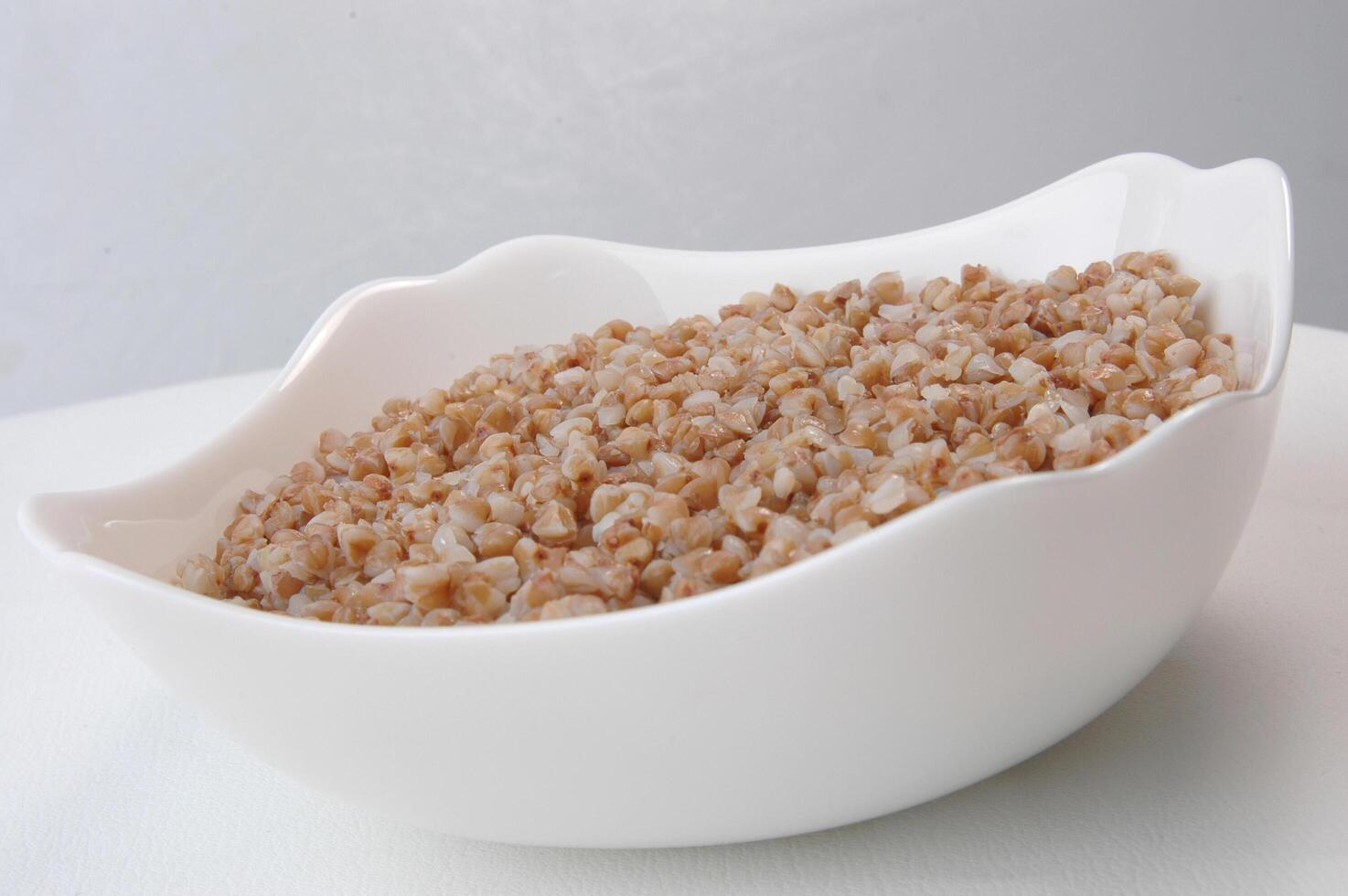
Buckwheat flour:Despite its name, buckwheat is not related to wheat and is naturally gluten-free. It has a strong, nutty flavor and is rich in nutrients. Buckwheat flour is commonly used in pancakes, noodles, and traditional dishes like Russian blini or Japanese soba noodles.

Health Information

? Frequently Asked Questions

4 questions
1 Is wheat gluten still gluten?
Yes, wheat gluten is still gluten. Gluten is a protein found in wheat, barley, and rye. Wheat gluten specifically refers to the gluten proteins present in wheat. People with celiac disease or gluten sensitivity should avoid wheat gluten along with other forms of gluten.
2 Can celiacs eat wheat gluten?
No, celiacs cannot eat wheat gluten. Celiac disease is an autoimmune disorder triggered by gluten consumption. Eating gluten causes damage to the small intestine in people with celiac disease. Celiacs must follow a strict gluten-free diet to manage their condition and avoid health complications.
3 Is wheat 100% gluten?
No, wheat is not 100% gluten. While wheat does contain gluten, it also consists of other components such as starch, fiber, proteins, vitamins, and minerals. The gluten content in wheat typically ranges from 10-15% of its total composition. The exact percentage can vary depending on the specific variety of wheat and growing conditions.
4 Which wheat is gluten-free?
No wheat is naturally gluten-free. Wheat, by definition, contains gluten proteins. All varieties of wheat, including durum, spelt, and kamut, contain gluten. For those seeking gluten-free alternatives, options like rice, corn, quinoa, and amaranth can be used instead of wheat.
LIVE GLUTEN-FREE WITHOUT THE FUSS!
Introducing Tolerase® G, clinically proven to reduce up to 86% of gluten in under 10 minutes. Experience the freedom to eat what you love.
SHOP ANTI-GLUTEN PILLS
150mg pure Tolerase® G · Reduces gluten by 86% · Under 10 minutes

Our Expert

Drs. Ilse van Asperen, Orthomolecular Therapist and Nutritional Coach

Drs. Ilse van Asperen

Orthomolecular Therapist, Nutritional Coach & Professional Editor

Drs. Ilse van Asperen is a medical doctor specialising in orthomolecular therapy and nutritional coaching. With a background in public and clinical health research and management, she focuses on addressing the root causes of health issues through diet, gut health, and stress reduction. As a professional editor for Little Helpers, she reviews all gluten-free content to ensure accuracy, safety, and scientific credibility. Read more on Drs. Ilse van Asperen's own website

Our Sources

The information on this page is based on reputable health and nutrition organisations, ensuring accuracy and reliability for anyone following a gluten-free diet. For further details, see the sources below.
Sources

Similar Articles

Back to blog