Is Wheat Seed Extract Gluten Free?

Is Wheat Seed Extract Gluten Free?

Wheat seed extract is typically not gluten-free, as it is derived from wheat which naturally contains gluten proteins. However, the gluten content can vary depending on the specific extraction process used, so it’s essential to check with the manufacturer or look for certified gluten-free products if you have gluten sensitivities or celiac disease.

TL;DR

Wheat seed extract is typically not gluten-free, as it is derived from wheat which naturally contains gluten proteins. However, the gluten content can vary depending on the specific extraction process used, so it’s essential to check with the manufacturer or look for certified gluten-free products if you have gluten sensitivities or celiac disease.

Quick Tips

1

Rich in antioxidants, particularly in polyphenols

2

May help reduce inflammation in the body

3

Potentially beneficial for heart health by lowering cholesterol levels

# In This Article

3 sections

Quick navigation to each section of this article:

1 Benefits of Wheat Seed Extract

Rich in antioxidants, particularly in polyphenols

Jump
2 Who should avoid Wheat Seed Extract

People with celiac disease or gluten sensitivity

Jump
3 Gluten Free Alternatives

Here are five gluten-free alternatives to Wheat Seed Extract, along with short descriptions for each:

Jump

Benefits of Wheat Seed Extract

Benefits of Wheat Seed Extract
Rich in antioxidants, particularly in polyphenols
May help reduce inflammation in the body
Potentially beneficial for heart health by lowering cholesterol levels
Could aid in blood sugar regulation
May support digestive health and improve gut bacteria balance
Possible immune system booster
Could have anti-aging properties for skin health
May help in weight management by promoting feelings of fullness
Potential neuroprotective effects, which might benefit brain health
Could contribute to better bone health due to its mineral content
May have antimicrobial properties
Possibly beneficial for liver health
Could help in reducing symptoms of menopause
May improve athletic performance and recovery
Potential to support overall cellular healthIt’s important to note that while these benefits have been associated with wheat seed extract in various studies, more research is needed to fully understand and confirm many of these effects. Always consult with a healthcare professional before starting any new supplement regimen.

Who should avoid Wheat Seed Extract

Who should avoid Wheat Seed Extract
People with celiac disease or gluten sensitivity
Individuals with wheat allergies
Those with non-celiac gluten sensitivity (NCGS)
Anyone following a strict gluten-free diet for medical reasons
People with wheat-dependent exercise-induced anaphylaxis (WDEIA)
Individuals with baker’s asthma or occupational asthma related to wheat exposure
Those with dermatitis herpetiformis (a skin condition associated with gluten sensitivity)
People with diagnosed wheat intolerance
Individuals who experience adverse reactions to wheat products
Those undergoing testing for celiac disease or gluten sensitivity (to avoid skewing results)
Anyone advised by their healthcare provider to avoid wheat or gluten-containing productsIt’s important to note that if you’re unsure about using Wheat Seed Extract, it’s best to consult with a healthcare professional or allergist before incorporating it into your diet or skincare routine.
ENJOY YOUR FAVORITE FOODS FEARLESSLY!
Don’t let gluten hold you back. Take Anti-Gluten Pills before your meal and enjoy peace of mind.
SHOP ANTI-GLUTEN PILLS
Clinically proven · Up to 86% gluten reduction · Fast acting

Gluten Free Alternatives

Here are five gluten-free alternatives to Wheat Seed Extract, along with short descriptions for each:

Gluten Free Alternatives
Rice Bran Extract:Rich in antioxidants, vitamins, and minerals, rice bran extract is derived from the outer layer of rice grains. It offers moisturizing and anti-aging properties, making it suitable for skincare and haircare products.
Oat Extract:Derived from gluten-free oats, this extract is known for its soothing and moisturizing properties. It contains beta-glucans, which help reduce inflammation and support skin barrier function.
Quinoa Seed Extract:High in protein and essential amino acids, quinoa seed extract provides nourishing and protective benefits for skin and hair. It also contains antioxidants that help combat free radical damage.
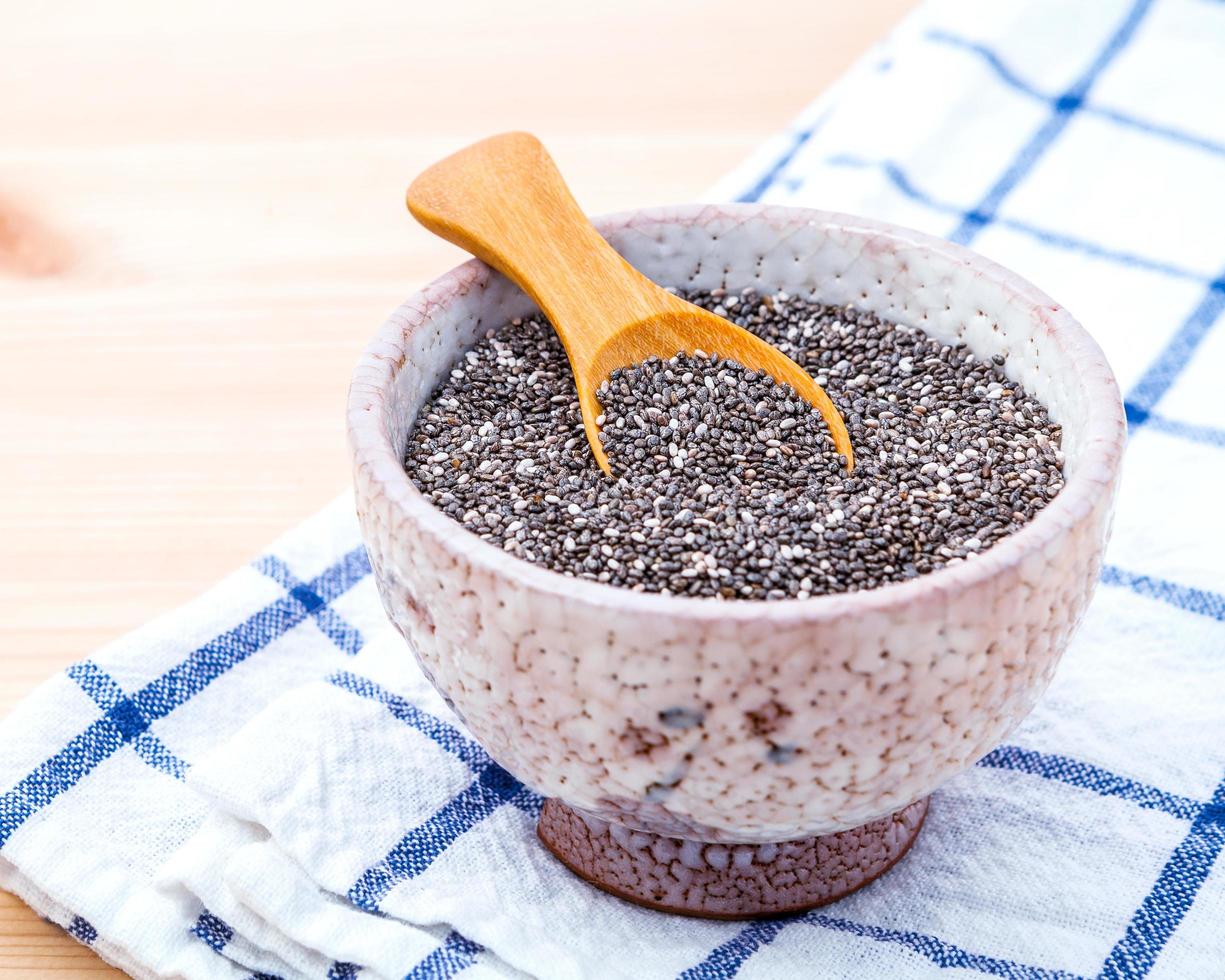
Chia Seed Extract:Packed with omega-3 fatty acids and antioxidants, chia seed extract offers hydrating and anti-inflammatory properties. It can help improve skin elasticity and protect against environmental stressors.
Amaranth Seed Extract:Rich in squalene and other beneficial compounds, amaranth seed extract provides moisturizing and anti-aging benefits. It can help improve skin texture and promote a more youthful appearance.These alternatives offer various benefits for skin and hair care products while being suitable for those with gluten sensitivities or celiac disease.

Health Information

? Frequently Asked Questions

4 questions
1 Does wheat seed contain gluten?
Yes, wheat seed does contain gluten. Gluten is a protein naturally present in wheat and related grains. It begins to form when wheat flour is mixed with water, creating the elastic texture in dough. While the gluten content may be lower in raw wheat seeds compared to processed wheat products, it is still present.
2 Can celiacs eat wheat extract?
Celiacs should generally avoid wheat extract, as it may contain gluten. Even small amounts of gluten can trigger symptoms in people with celiac disease. It's best for celiacs to stick to certified gluten-free products and ingredients. If considering using wheat extract, consult a doctor first and carefully check the product's gluten content.
3 Is wheat sprout extract gluten-free?
Wheat sprout extract is typically not gluten-free. While wheat sprouts themselves contain very low levels of gluten, the extract may still contain trace amounts. The exact gluten content can vary depending on the specific extraction process used. Individuals with celiac disease or gluten sensitivity should exercise caution and consult with their healthcare provider before consuming wheat sprout extract.
4 Can celiacs use products with wheat germ oil?
Celiac disease patients typically need to avoid wheat products. However, wheat germ oil is generally considered safe for celiacs. This is because the oil is highly refined and does not contain gluten proteins. Still, celiacs should consult their doctor before adding any new foods to their diet.
LIVE GLUTEN-FREE WITHOUT THE FUSS!
Introducing Tolerase® G, clinically proven to reduce up to 86% of gluten in under 10 minutes. Experience the freedom to eat what you love.
SHOP ANTI-GLUTEN PILLS
150mg pure Tolerase® G · Reduces gluten by 86% · Under 10 minutes

Our Expert

Drs. Ilse van Asperen, Orthomolecular Therapist and Nutritional Coach

Drs. Ilse van Asperen

Orthomolecular Therapist, Nutritional Coach & Professional Editor

Drs. Ilse van Asperen is a medical doctor specialising in orthomolecular therapy and nutritional coaching. With a background in public and clinical health research and management, she focuses on addressing the root causes of health issues through diet, gut health, and stress reduction. As a professional editor for Little Helpers, she reviews all gluten-free content to ensure accuracy, safety, and scientific credibility. Read more on Drs. Ilse van Asperen's own website

Our Sources

The information on this page is based on reputable health and nutrition organisations, ensuring accuracy and reliability for anyone following a gluten-free diet. For further details, see the sources below.
Sources

Similar Articles

Back to blog