Share
TL;DR
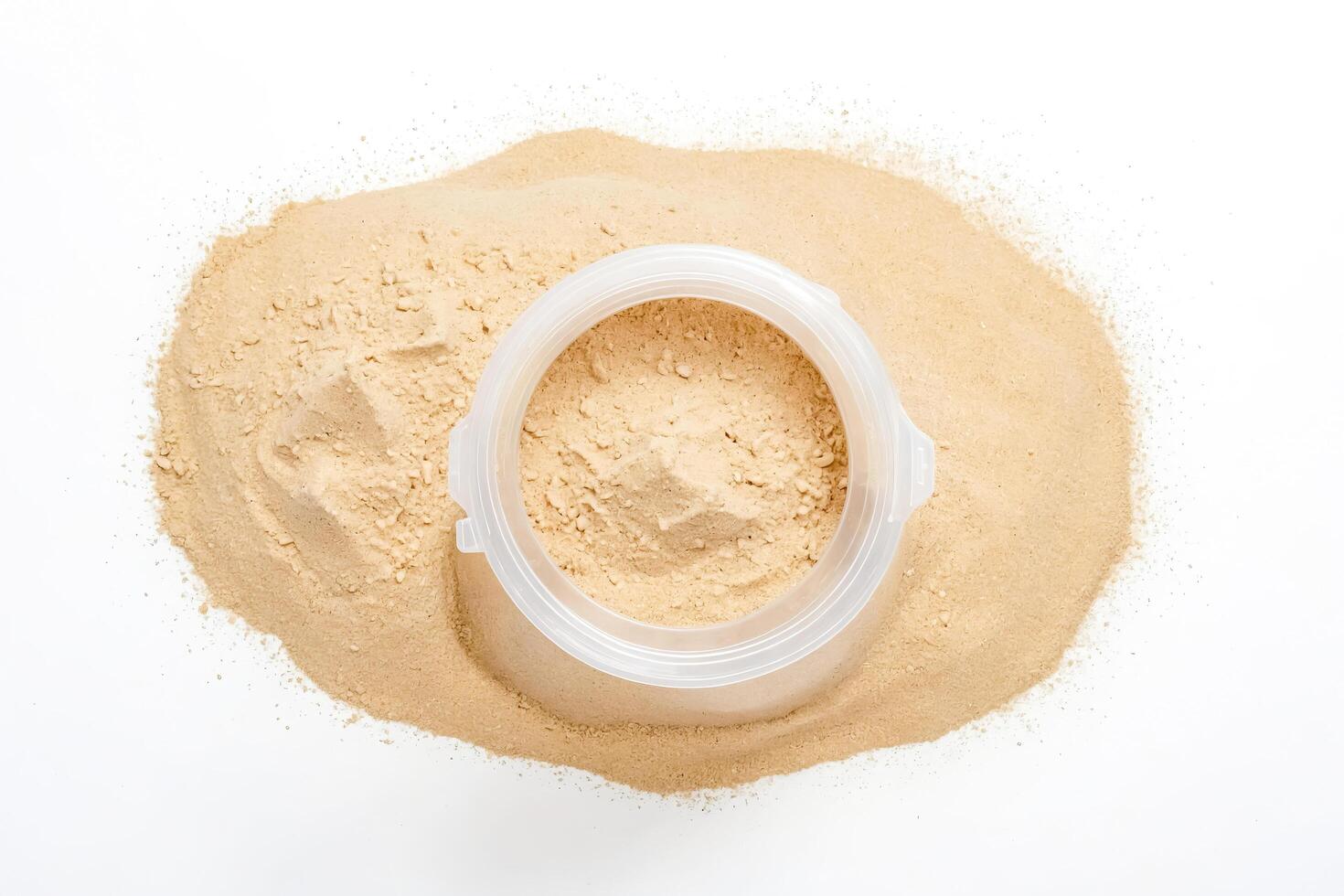
Whey protein is generally considered gluten-free as it’s derived from milk, which doesn’t contain gluten. However, some whey protein products may contain added ingredients or be processed in facilities that handle gluten-containing foods, so it’s important to check labels or choose certified gluten-free options if you have celiac disease or gluten sensitivity.
Quick Tips
1High-quality protein source with all essential amino acids
2Promotes muscle growth and repair
3Aids in weight loss by increasing satiety and boosting metabolism
# In This Article
3 sectionsQuick navigation to each section of this article:
Benefits of Whey
| Benefits of Whey |
|---|
| High-quality protein source with all essential amino acids |
| Promotes muscle growth and repair |
| Aids in weight loss by increasing satiety and boosting metabolism |
| Helps reduce inflammation in the body |
| May lower blood pressure and improve cardiovascular health |
| Can help stabilize blood sugar levels |
| Boosts the immune system |
| Rich in branched-chain amino acids (BCAAs) for muscle recovery |
| Easily digestible and quickly absorbed by the body |
| May help reduce symptoms of stress and depression |
| Supports bone health and may help prevent osteoporosis |
| Can improve athletic performance and endurance |
| Contains antioxidants that may help fight oxidative stress |
| May have anti-cancer properties |
| Supports healthy liver function |
| Can help maintain healthy skin, hair, and nails |
| May reduce symptoms of HIV and improve immune response in HIV patientsRemember that while whey protein offers many benefits, it’s always best to consult with a healthcare professional before making significant changes to your diet or supplement regimen. |
Who should avoid Whey
| Who should avoid Whey |
|---|
| Those with dairy allergies or severe lactose intolerance |
| Individuals with milk protein allergies |
| People with certain kidney disorders or decreased kidney function |
| Those at risk for kidney stones |
| Individuals with gout or at high risk for gout |
| People taking certain medications that may interact with whey (consult a healthcare provider) |
| Those with a history of liver disease or compromised liver function |
| Individuals following a vegan or strict plant-based diet |
| People with a known allergy to whey protein |
| Those who are pregnant or breastfeeding (should consult a healthcare provider first) |
| Individuals with certain digestive disorders, such as inflammatory bowel disease (should consult a doctor) |
| People trying to reduce their overall protein intake for medical reasons |
| Those with a history of certain hormone-sensitive cancers (should consult an oncologist)Remember, it’s always best to consult with a healthcare professional before adding any new supplement to your diet, especially if you have pre-existing health conditions or concerns. |
Related Gluten Free Products
Here are five gluten-free protein options similar to whey:
| Related Gluten Free Products |
|---|
| Pea Protein:A plant-based protein derived from yellow split peas. It's easily digestible, hypoallergenic, and rich in essential amino acids. Pea protein has a slightly earthy taste and is often used in vegan protein powders. |
| Rice Protein:Made from brown rice, this protein is gentle on the stomach and hypoallergenic. It's lower in lysine compared to other proteins but is often combined with pea protein to create a complete amino acid profile. |
| Hemp Protein:Derived from hemp seeds, this protein is rich in omega-3 fatty acids and fiber. It has a nutty flavor and contains all nine essential amino acids, making it a complete protein source. |
| Egg White Protein:A highly bioavailable protein source made from dried egg whites. It's low in fat and carbs, making it popular among athletes and bodybuilders. Egg white protein has a neutral taste and mixes easily. |
| Collagen Protein:Derived from animal connective tissues, collagen is known for its potential benefits for skin, hair, and joint health. It's easily digestible and dissolves well in liquids, but it's not a complete protein as it lacks some essential amino acids. |
Health Information
? Frequently Asked Questions
2 questions1 Is whey a dairy or wheat?
2 Does whey protein cause bloating?
Our Expert
Drs. Ilse van Asperen
Orthomolecular Therapist, Nutritional Coach & Professional Editor
Drs. Ilse van Asperen is a medical doctor specialising in orthomolecular therapy and nutritional coaching. With a background in public and clinical health research and management, she focuses on addressing the root causes of health issues through diet, gut health, and stress reduction. As a professional editor for Little Helpers, she reviews all gluten-free content to ensure accuracy, safety, and scientific credibility. Read more on Drs. Ilse van Asperen's own website
Our Sources
The information on this page is based on reputable health and nutrition organisations, ensuring accuracy and reliability for anyone following a gluten-free diet. For further details, see the sources below.