Share
TL;DR
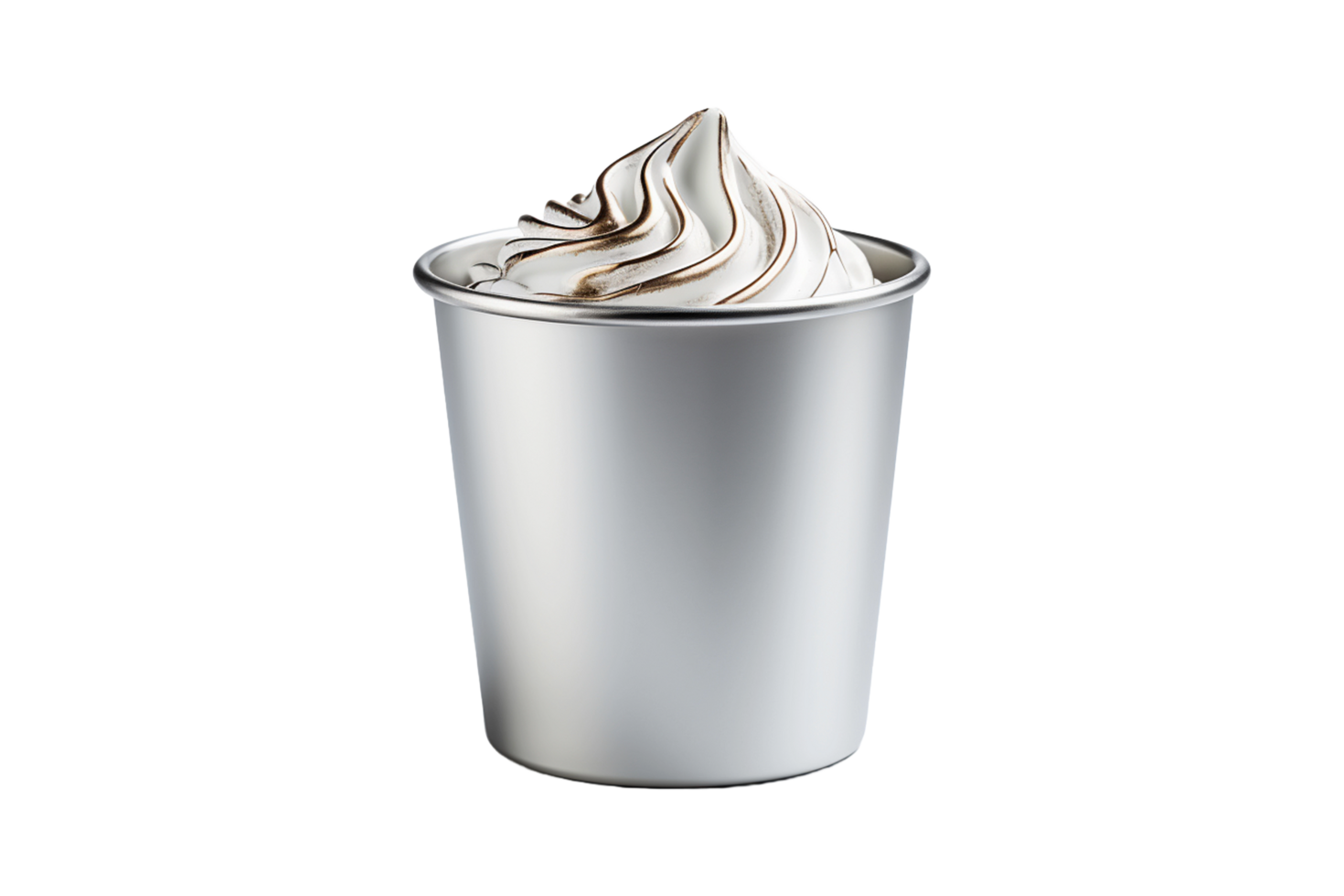
Yes, traditional whipped cream is gluten-free as it is typically made from heavy cream, sugar, and vanilla extract, none of which contain gluten. However, it’s always important to check the label of store-bought whipped cream or any added flavorings for potential gluten-containing ingredients or cross-contamination warnings, especially for those with celiac disease or severe gluten sensitivities.
Quick Tips
1Source of calcium: Whipped cream contains calcium, which is essential for bone health.
2Provides energy: It’s a source of quick energy due to its fat and sugar content.
3Contains vitamins: Small amounts of vitamins A, D, E, and K are present in whipped cream.
# In This Article
3 sectionsQuick navigation to each section of this article:
1 Benefits of Whipped Cream
Source of calcium: Whipped cream contains calcium, which is essential for bone health.
Jump2 Who should avoid Whipped Cream
People with lactose intolerance or dairy allergies
Jump3 Related Gluten Free Products
Here are five gluten-free options similar to Whipped Cream, along with short descriptions:
JumpBenefits of Whipped Cream
| Benefits of Whipped Cream |
|---|
| Source of calcium: Whipped cream contains calcium, which is essential for bone health. |
| Provides energy: It’s a source of quick energy due to its fat and sugar content. |
| Contains vitamins: Small amounts of vitamins A, D, E, and K are present in whipped cream. |
| Protein content: It contains some protein, which is necessary for muscle maintenance and growth. |
| Phosphorus: Whipped cream provides phosphorus, important for bone health and cellular function. |
| Potential probiotic benefits: If made from cultured cream, it may contain beneficial bacteria. |
| Satiety: The fat content can help you feel full and satisfied. |
| Mood booster: As a treat, it can contribute to psychological well-being when enjoyed occasionally.It’s important to note that these benefits are minimal, and whipped cream should be consumed in moderation due to its high calorie and saturated fat content. For most people, it should be considered an occasional treat rather than a health food. |
Who should avoid Whipped Cream
| Who should avoid Whipped Cream |
|---|
| People with lactose intolerance or dairy allergies |
| Individuals following a vegan or dairy-free diet |
| Those on a low-fat or low-calorie diet for weight management |
| People with high cholesterol levels, as whipped cream is high in saturated fat |
| Individuals with diabetes or those monitoring their sugar intake, especially if the whipped cream is sweetened |
| Those with heart conditions or at risk for heart disease, due to the high fat content |
| People with gastrointestinal issues that are aggravated by high-fat foods |
| Individuals following a kosher or halal diet, if the whipped cream contains non-compliant ingredients |
| Those with specific food intolerances or sensitivities to ingredients commonly found in whipped cream (e.g., carrageenan) |
| Infants and very young children, as it may pose a choking hazard and is not nutritionally appropriate |
| People trying to avoid added sugars and artificial ingredients, particularly in store-bought varietiesRemember that moderation is key for most people, and occasional consumption may be fine for some individuals in these groups. Always consult with a healthcare professional for personalized dietary advice. |
Related Gluten Free Products
Here are five gluten-free options similar to Whipped Cream, along with short descriptions:
| Related Gluten Free Products |
|---|
| Coconut Whipped Cream: Made from the solid part of coconut milk, this dairy-free alternative offers a rich, creamy texture with a subtle coconut flavor. It's perfect for those with dairy allergies or following a vegan diet. |
| Aquafaba Whipped Cream: Created using the liquid from canned chickpeas, this vegan option whips up into a light and fluffy texture. It's low in calories and can be flavored to taste similar to traditional whipped cream. |
| Cashew Whipped Cream: Blended soaked cashews create a thick, creamy topping that's rich in healthy fats and protein. It has a slightly nutty flavor and can be sweetened to taste. |
| Rice Whip: A commercial product made from rice milk, this option is light and airy, similar to traditional whipped cream. It's suitable for those with nut allergies and is often fortified with vitamins. |
| Soy Whipped Cream: Another store-bought option, soy whipped cream is made from soy milk and provides a similar texture to dairy whipped cream. It's cholesterol-free and can be a good source of protein. |
Health Information
? Frequently Asked Questions
4 questions1 Does whipped cream have gluten in it?
2 Is Cool Whip safe for celiacs?
3 Is Reddi Whip whip cream gluten free?
4 Can celiacs eat cream?
Our Expert
Drs. Ilse van Asperen
Orthomolecular Therapist, Nutritional Coach & Professional Editor
Drs. Ilse van Asperen is a medical doctor specialising in orthomolecular therapy and nutritional coaching. With a background in public and clinical health research and management, she focuses on addressing the root causes of health issues through diet, gut health, and stress reduction. As a professional editor for Little Helpers, she reviews all gluten-free content to ensure accuracy, safety, and scientific credibility. Read more on Drs. Ilse van Asperen's own website
Our Sources
The information on this page is based on reputable health and nutrition organisations, ensuring accuracy and reliability for anyone following a gluten-free diet. For further details, see the sources below.