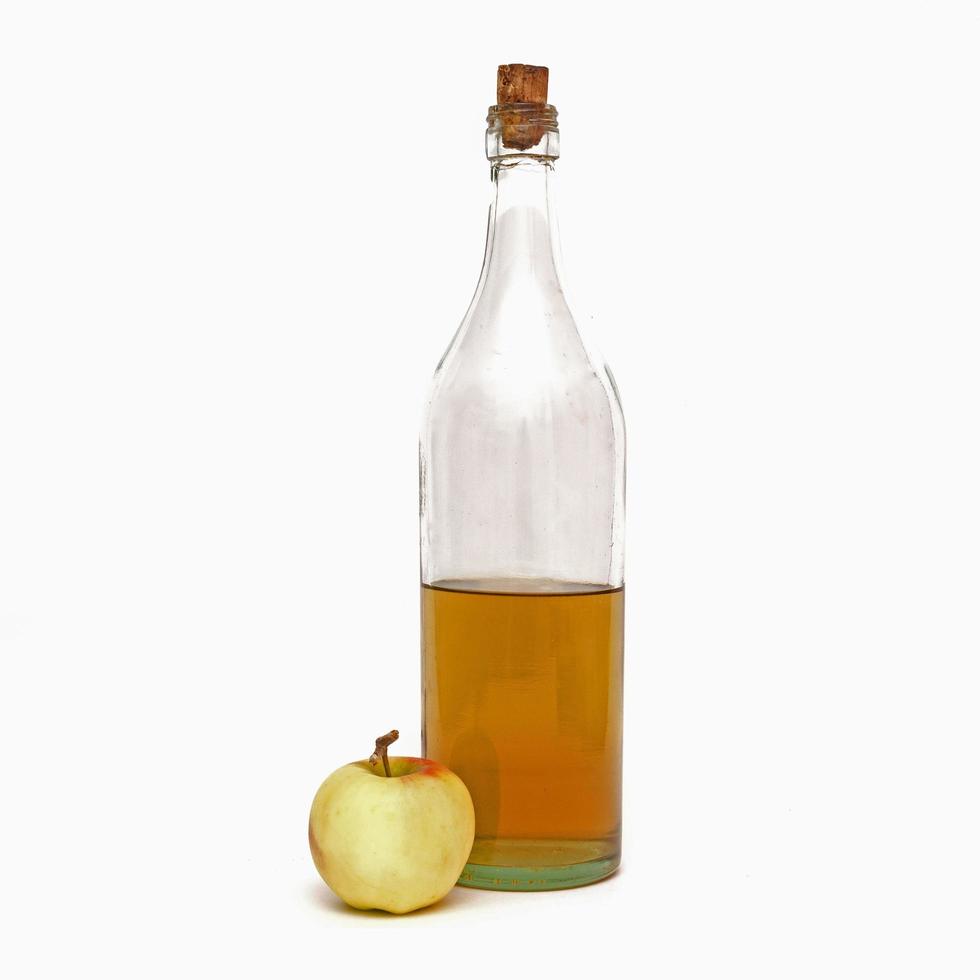
Is White Wine Vinegar Gluten Free?

Is White Wine Vinegar Gluten Free?

Yes, white wine vinegar is generally considered gluten-free. It is made from fermented white wine, which does not contain gluten, and the distillation process would remove any trace gluten even if the original wine contained any.

TL;DR

Yes, white wine vinegar is generally considered gluten-free. It is made from fermented white wine, which does not contain gluten, and the distillation process would remove any trace gluten even if the original wine contained any.

Quick Tips

1

Low in calories: White wine vinegar is very low in calories, making it a good choice for those watching their weight.

2

May help with blood sugar control: Some studies suggest that vinegar can help improve insulin sensitivity and lower blood sugar levels.

3

Antimicrobial properties: The acetic acid in white wine vinegar has antibacterial and antifungal properties.

# In This Article

3 sections

Quick navigation to each section of this article:

1 Benefits of White Wine Vinegar

Low in calories: White wine vinegar is very low in calories, making it a good choice for those watching their weight.

Jump
2 Who should avoid White Wine Vinegar

Those with severe alcohol allergies or sensitivities, as white wine vinegar contains trace amounts of alcohol

Jump
3 Related Gluten Free Products

Here are five similar gluten-free options to White Wine Vinegar, along with short descriptions:

Jump

Benefits of White Wine Vinegar

Benefits of White Wine Vinegar
Low in calories: White wine vinegar is very low in calories, making it a good choice for those watching their weight.
May help with blood sugar control: Some studies suggest that vinegar can help improve insulin sensitivity and lower blood sugar levels.
Antimicrobial properties: The acetic acid in white wine vinegar has antibacterial and antifungal properties.
Potential digestive aid: It may help stimulate digestive juices and improve digestion.
Rich in antioxidants: White wine vinegar contains antioxidants that can help protect cells from damage caused by free radicals.
May support heart health: Some research indicates that vinegar consumption might help lower cholesterol and blood pressure.
Potential weight loss aid: It may help increase feelings of fullness, potentially leading to reduced calorie intake.
Supports bone health: White wine vinegar contains small amounts of calcium, which is essential for bone health.
May have anti-cancer properties: Some studies suggest that vinegar might have anti-tumor effects, though more research is needed.
Natural food preservative: Its antimicrobial properties make it useful for preserving foods.Remember that while these potential benefits exist, more research is needed to fully understand the extent of white wine vinegar’s health effects. Always consult with a healthcare professional before making significant changes to your diet.

Who should avoid White Wine Vinegar

Who should avoid White Wine Vinegar
Those with severe alcohol allergies or sensitivities, as white wine vinegar contains trace amounts of alcohol
Individuals with histamine intolerance, as vinegar can be high in histamines
People with gastroesophageal reflux disease (GERD) or acid reflux, as vinegar’s acidity may exacerbate symptoms
Those with peptic ulcers or other digestive tract issues that are sensitive to acidic foods
Individuals with certain kidney problems, as the acidity might affect kidney function
People taking certain medications that interact with vinegar, such as insulin or diuretics
Those with dental enamel erosion, as the acidity can further damage tooth enamel
Individuals with sulfite sensitivities, as some white wine vinegars may contain sulfites
People following a low-acid diet for medical reasons
Those with yeast allergies or sensitivities, as vinegar is produced through fermentation
Individuals on a sodium-restricted diet, as some brands may contain added sodiumAlways consult with a healthcare professional if you have concerns about consuming white wine vinegar, especially if you have any pre-existing health conditions or are taking medications.
ENJOY YOUR FAVORITE FOODS FEARLESSLY!
Don’t let gluten hold you back. Take Anti-Gluten Pills before your meal and enjoy peace of mind.
SHOP ANTI-GLUTEN PILLS
Clinically proven · Up to 86% gluten reduction · Fast acting

Here are five similar gluten-free options to White Wine Vinegar, along with short descriptions:

Related Gluten Free Products
Apple Cider Vinegar- Made from fermented apple juice- Tangy, slightly sweet flavor- Rich in beneficial enzymes and probiotics
Rice Vinegar- Produced from fermented rice- Mild, slightly sweet taste- Common in Asian cuisine
Balsamic Vinegar- Made from grape must (freshly crushed grape juice)- Rich, complex flavor with sweet and tart notes- Aged in wooden barrels for depth
Red Wine Vinegar- Created from fermented red wine- Bold, tangy flavor- Often used in Mediterranean dishes
Champagne Vinegar- Derived from Champagne or other sparkling wines- Light, delicate flavor- Excellent for vinaigrettes and seafood dishesAll of these vinegars are naturally gluten-free and can be used as alternatives to White Wine Vinegar in various recipes, depending on the desired flavor profile.

Health Information

? Frequently Asked Questions

4 questions
1 Is there gluten in white vinegar?
White vinegar is generally considered gluten-free. It is typically made from corn or other gluten-free grains. However, some types of vinegar may contain trace amounts of gluten if they are produced in facilities that also process gluten-containing products. If you have celiac disease or severe gluten sensitivity, it's best to choose vinegar specifically labeled as gluten-free.
2 Does balsamic vinegar contain gluten?
Balsamic vinegar is typically gluten-free. It is made from grape must, which does not contain gluten. However, some mass-produced balsamic vinegars may contain additives or be processed in facilities that also handle gluten-containing products. If you have celiac disease or a gluten sensitivity, it's best to check the label or contact the manufacturer to confirm the product is gluten-free.
3 Why is rice vinegar not gluten free?
Rice vinegar is typically gluten-free. It is made from fermented rice, which does not contain gluten. There may be rare cases where rice vinegar is not gluten-free if it contains additives or flavorings that include gluten. However, pure rice vinegar is generally considered safe for those following a gluten-free diet.
4 Is Bertolli white wine vinegar gluten free?
Bertolli white wine vinegar is generally considered gluten-free. White wine vinegar is typically made from grapes, which do not contain gluten. However, as with any product, there is always a small risk of cross-contamination during processing. It's best to check the specific product label or contact the manufacturer for the most up-to-date information on gluten content.
LIVE GLUTEN-FREE WITHOUT THE FUSS!
Introducing Tolerase® G, clinically proven to reduce up to 86% of gluten in under 10 minutes. Experience the freedom to eat what you love.
SHOP ANTI-GLUTEN PILLS
150mg pure Tolerase® G · Reduces gluten by 86% · Under 10 minutes

Our Expert

Drs. Ilse van Asperen, Orthomolecular Therapist and Nutritional Coach

Drs. Ilse van Asperen

Orthomolecular Therapist, Nutritional Coach & Professional Editor

Drs. Ilse van Asperen is a medical doctor specialising in orthomolecular therapy and nutritional coaching. With a background in public and clinical health research and management, she focuses on addressing the root causes of health issues through diet, gut health, and stress reduction. As a professional editor for Little Helpers, she reviews all gluten-free content to ensure accuracy, safety, and scientific credibility. Read more on Drs. Ilse van Asperen's own website

Our Sources

The information on this page is based on reputable health and nutrition organisations, ensuring accuracy and reliability for anyone following a gluten-free diet. For further details, see the sources below.

Sources

Similar Articles

Back to blog