Share
TL;DR
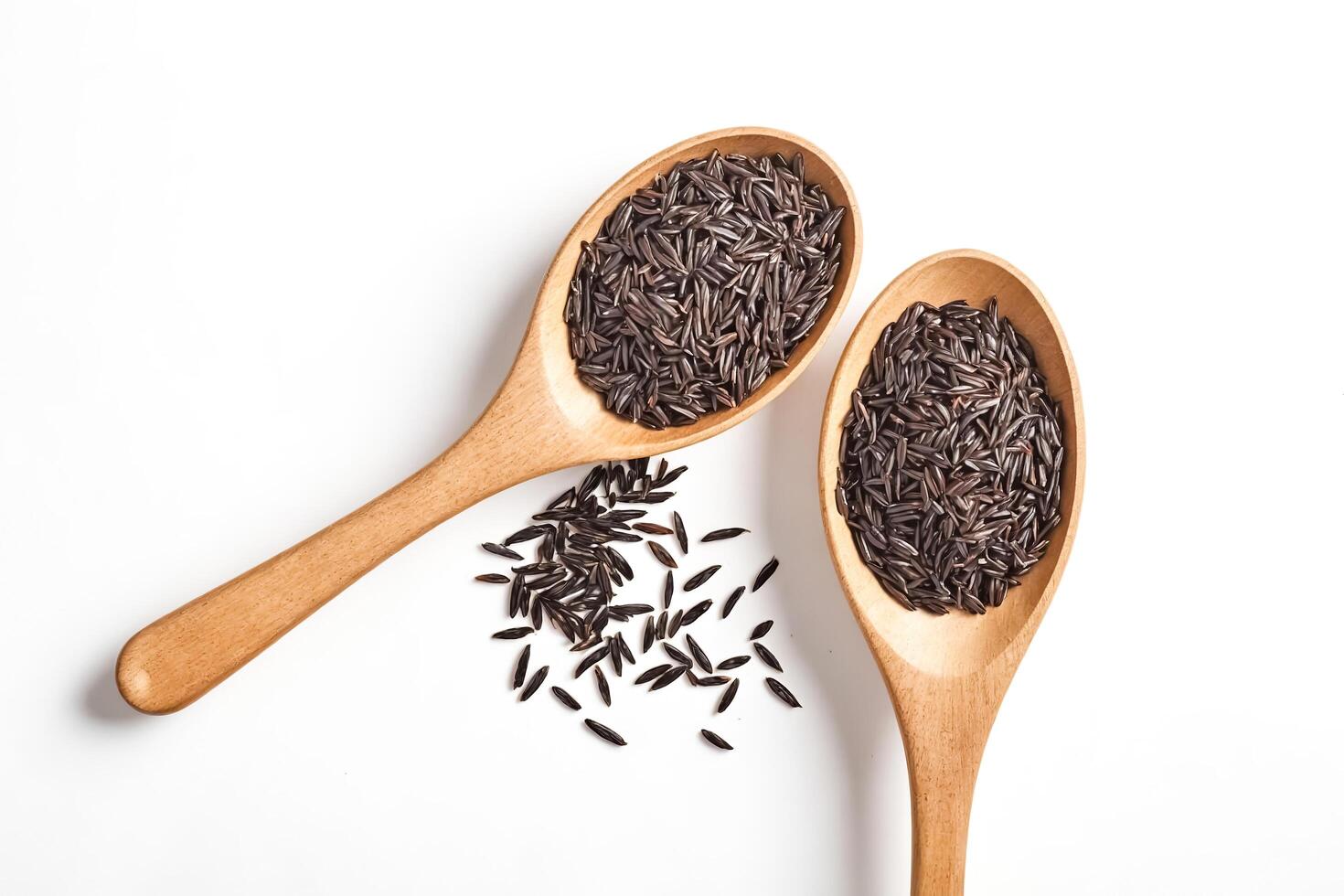
Yes, wild rice is naturally gluten-free. It is not actually a type of rice, but rather a seed from an aquatic grass and ancient grain, and it does not contain the proteins that make up gluten.
Quick Tips
1Nutritionally dense: High in protein, fiber, and various vitamins and minerals
2Gluten-free: Safe for those with celiac disease or gluten sensitivity
3Rich in antioxidants: Contains more antioxidants than white rice
# In This Article
3 sectionsQuick navigation to each section of this article:
1 Benefits of Wild rice
Nutritionally dense: High in protein, fiber, and various vitamins and minerals
Jump2 Who should avoid Wild rice
People with allergies to grasses: Wild rice is actually a grass, not a true rice, so those with grass allergies might react to it.
Jump3 Related Gluten Free Products
Here are five gluten-free options similar to wild rice:
JumpBenefits of Wild rice
| Benefits of Wild rice |
|---|
| Nutritionally dense: High in protein, fiber, and various vitamins and minerals |
| Gluten-free: Safe for those with celiac disease or gluten sensitivity |
| Rich in antioxidants: Contains more antioxidants than white rice |
| Good source of complex carbohydrates: Provides sustained energy |
| High in folate: Important for cell growth and DNA formation |
| Contains essential amino acids: Supports muscle growth and repair |
| Low glycemic index: Helps maintain stable blood sugar levels |
| Supports digestive health: High fiber content aids digestion |
| May help with weight management: Filling and satisfying due to high fiber and protein content |
| Naturally grown: Often harvested from lakes and rivers, with minimal processing |
| May have anti-inflammatory properties: Due to its antioxidant content |
| Supports heart health: Contains nutrients that may help lower cholesterol levels |
Who should avoid Wild rice
| Who should avoid Wild rice |
|---|
| People with allergies to grasses: Wild rice is actually a grass, not a true rice, so those with grass allergies might react to it. |
| Individuals with grain or rice allergies: Although not a true rice, some people with grain or rice allergies might also be sensitive to wild rice. |
| Those on a low-carb or ketogenic diet: Wild rice is relatively high in carbohydrates, so it may not fit into these dietary plans. |
| People with digestive sensitivities: Some individuals may find wild rice difficult to digest due to its high fiber content. |
| Those with compromised immune systems: Raw or undercooked wild rice can harbor bacteria, so immunocompromised individuals should ensure it’s thoroughly cooked. |
| Individuals with celiac disease or gluten sensitivity: While wild rice is naturally gluten-free, there’s a risk of cross-contamination during processing, so they should choose certified gluten-free brands. |
| People on a low-calorie diet: Wild rice is relatively calorie-dense compared to some other vegetables. |
| Those with kidney problems: Wild rice is high in phosphorus and potassium, which some kidney patients need to limit. |
| Individuals taking blood thinners: Wild rice contains vitamin K, which can interfere with some blood-thinning medications.Always consult with a healthcare provider or registered dietitian for personalized advice if you have concerns about incorporating wild rice into your diet. |
Related Gluten Free Products
Here are five gluten-free options similar to wild rice:
| Related Gluten Free Products |
|---|
| Quinoa: A nutrient-dense seed that cooks like a grain, offering a complete protein source and a slightly nutty flavor. It's versatile and can be used in various dishes, from salads to side dishes. |
| Buckwheat: Despite its name, buckwheat is not related to wheat and is gluten-free. It has a robust, earthy flavor and can be used in porridge, as a rice substitute, or ground into flour for baking. |
| Amaranth: An ancient grain with a slightly peppery taste, amaranth is high in protein and minerals. It can be cooked like rice, popped like popcorn, or used as a thickener in soups and stews. |
| Millet: A small, round grain with a mild, slightly sweet flavor. It's highly nutritious and can be prepared similarly to rice or used in baking. Millet is also a good source of fiber and minerals. |
| Sorghum: A hearty grain with a chewy texture and mild, slightly sweet taste. It can be cooked whole like rice, popped like popcorn, or ground into flour for gluten-free baking. Sorghum is rich in antioxidants and fiber. |
Health Information
? Frequently Asked Questions
2 questions1 Can celiacs eat wild rice?
2 Which brands of wild rice are gluten-free?
Our Expert
Drs. Ilse van Asperen
Orthomolecular Therapist, Nutritional Coach & Professional Editor
Drs. Ilse van Asperen is a medical doctor specialising in orthomolecular therapy and nutritional coaching. With a background in public and clinical health research and management, she focuses on addressing the root causes of health issues through diet, gut health, and stress reduction. As a professional editor for Little Helpers, she reviews all gluten-free content to ensure accuracy, safety, and scientific credibility. Read more on Drs. Ilse van Asperen's own website
Our Sources
The information on this page is based on reputable health and nutrition organisations, ensuring accuracy and reliability for anyone following a gluten-free diet. For further details, see the sources below.