Is Risotto Rice Gluten Free?

Is Risotto Rice Gluten Free?

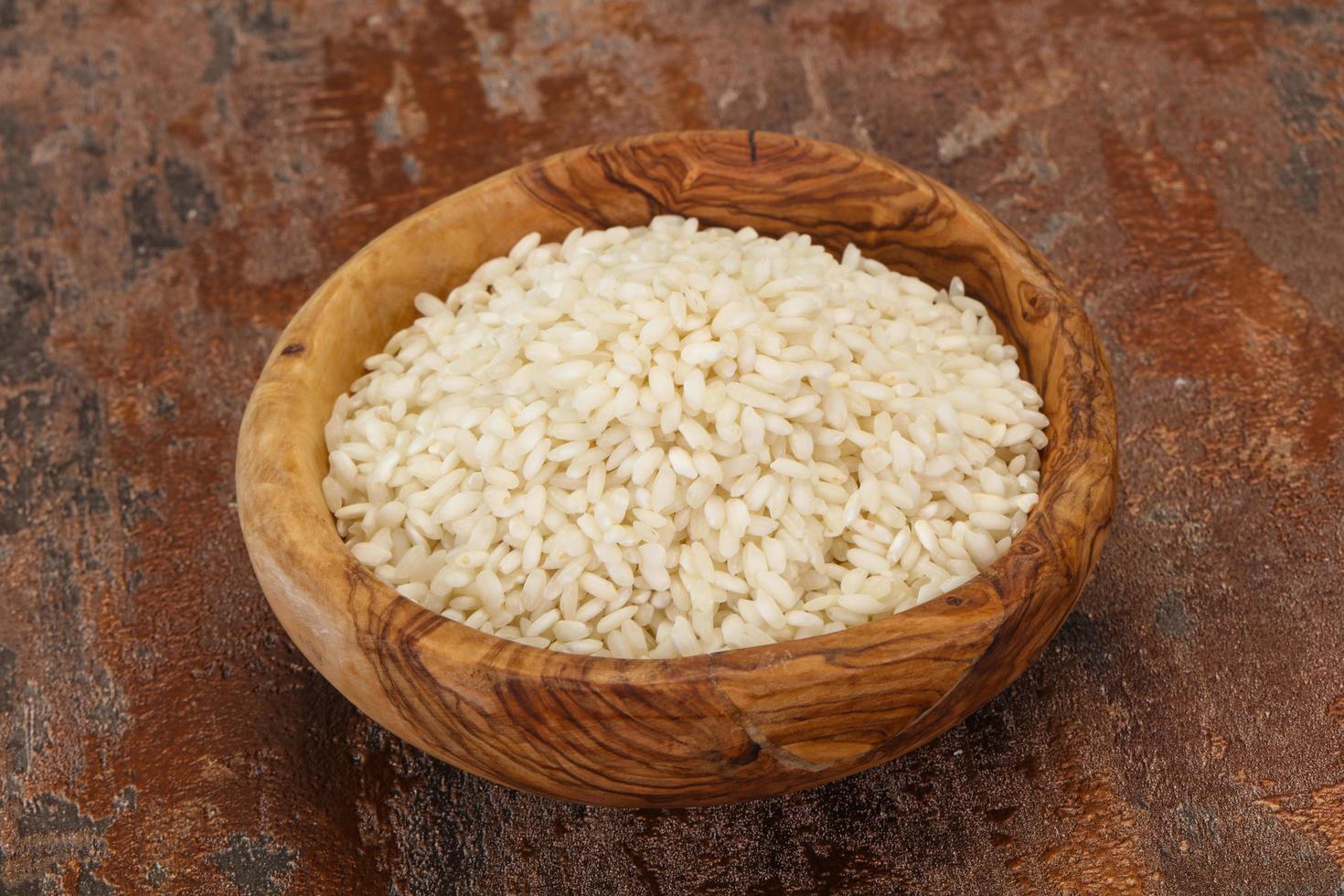
Yes, risotto rice is naturally gluten-free. Risotto is typically made with rice varieties like Arborio, Carnaroli, or Vialone Nano, which do not contain gluten.

TL;DR

Yes, risotto rice is naturally gluten-free. Risotto is typically made with rice varieties like Arborio, Carnaroli, or Vialone Nano, which do not contain gluten.

Quick Tips

1

Low in fat: Risotto rice is naturally low in fat, making it a good option for those watching their fat intake.

2

Good source of carbohydrates: It provides energy and helps fuel the body and brain.

3

Gluten-free: Suitable for people with celiac disease or gluten sensitivity.

# In This Article

3 sections

Quick navigation to each section of this article:

1 Benefits of Risotto Rice

Low in fat: Risotto rice is naturally low in fat, making it a good option for those watching their fat intake.

Jump
2 Who should avoid Risotto Rice

People with celiac disease or gluten sensitivity: While rice is naturally gluten-free, some risotto recipes may include ingredients that contain gluten, so it’s important to check all ingredients.

Jump
3 Related Gluten Free Products

Here are five gluten-free options similar to Risotto Rice, along with short descriptions:

Jump

Benefits of Risotto Rice

Benefits of Risotto Rice
Low in fat: Risotto rice is naturally low in fat, making it a good option for those watching their fat intake.
Good source of carbohydrates: It provides energy and helps fuel the body and brain.
Gluten-free: Suitable for people with celiac disease or gluten sensitivity.
Rich in minerals: Contains essential minerals like iron, calcium, and potassium.
Source of B vitamins: Provides B vitamins, including thiamin, niacin, and folate.
Low sodium content: Naturally low in sodium, which can be beneficial for heart health.
Easily digestible: The starch in risotto rice is easily broken down by the body.
Versatile for various diets: Can be incorporated into vegetarian, vegan, and many other dietary plans.
Resistant starch: When cooled, it forms resistant starch, which can benefit gut health.
Steady energy release: Its complex carbohydrates provide a more sustained energy release compared to simple carbs.Remember that the overall healthiness of a risotto dish depends on the preparation method and additional ingredients used.

Who should avoid Risotto Rice

Who should avoid Risotto Rice
People with celiac disease or gluten sensitivity: While rice is naturally gluten-free, some risotto recipes may include ingredients that contain gluten, so it’s important to check all ingredients.
Individuals on a low-carb diet: Risotto rice is high in carbohydrates, so those following strict low-carb diets may want to avoid or limit their intake.
People with diabetes: Due to its high carbohydrate content, risotto rice can cause blood sugar spikes, so diabetics should consume it in moderation and monitor their blood glucose levels.
Those with rice allergies: Although rare, some people are allergic to rice and should avoid all rice products, including risotto rice.
Individuals on a low-calorie diet: Risotto dishes are often calorie-dense, so those trying to lose weight might want to limit their consumption.
People with certain digestive issues: Some individuals with sensitive digestive systems may find that the starchy nature of risotto rice causes discomfort.
Those with a history of arsenic sensitivity: Rice can contain trace amounts of arsenic, so people with heightened sensitivity might want to limit their intake.Remember, for most people, risotto rice can be part of a healthy, balanced diet when consumed in moderation.
ENJOY YOUR FAVORITE FOODS FEARLESSLY!
Don’t let gluten hold you back. Take Anti-Gluten Pills before your meal and enjoy peace of mind.
SHOP ANTI-GLUTEN PILLS
Clinically proven · Up to 86% gluten reduction · Fast acting

Here are five gluten-free options similar to Risotto Rice, along with short descriptions:

Related Gluten Free Products
Quinoa: A nutrient-rich, high-protein seed that cooks into fluffy grains with a slightly nutty flavor. It can be prepared similarly to risotto for a creamy, comforting dish.
Millet: A small, round grain with a mild, slightly sweet flavor. When cooked, it has a light, fluffy texture and can be used as a base for risotto-style dishes.
Buckwheat groats: Despite the name, buckwheat is gluten-free and not related to wheat. It has a nutty, earthy flavor and can be cooked to a creamy consistency similar to risotto.
Cauliflower rice: A low-carb alternative made by grating or processing cauliflower into rice-sized pieces. It can be cooked and seasoned to mimic the texture and flavor of risotto.
Arborio rice: While technically a rice, it's worth mentioning as it's the traditional choice for risotto. It's naturally gluten-free and produces a creamy, starchy dish when cooked slowly with broth.

Health Information

? Frequently Asked Questions

4 questions
1 Is all risotto rice gluten-free?
Risotto rice itself is naturally gluten-free. However, some risotto dishes may contain ingredients that have gluten. It's important to check all ingredients and cooking methods when ordering risotto at a restaurant. When preparing risotto at home, using gluten-free broth and avoiding any gluten-containing additives will ensure a gluten-free dish.
2 Can gluten intolerant people eat risotto?
Risotto is traditionally made with Arborio rice, which is naturally gluten-free. However, some risotto recipes may include ingredients that contain gluten, such as certain broths or added flavorings. It's important for gluten intolerant people to check all ingredients carefully and ensure the dish is prepared without any gluten-containing additives. As long as the risotto is made with gluten-free ingredients and prepared in a clean, gluten-free environment, it can generally be enjoyed by those with gluten intolerance.
3 Is risotto rice healthier than pasta?
Risotto rice and pasta have similar nutritional profiles, so neither is definitively healthier overall. Risotto rice tends to have a higher glycemic index, which means it can cause blood sugar to rise more quickly. However, risotto is often prepared with vegetables and broth, potentially adding more nutrients. The healthiness of either dish ultimately depends on portion size, preparation method, and accompanying ingredients.
4 What rice is gluten-free?
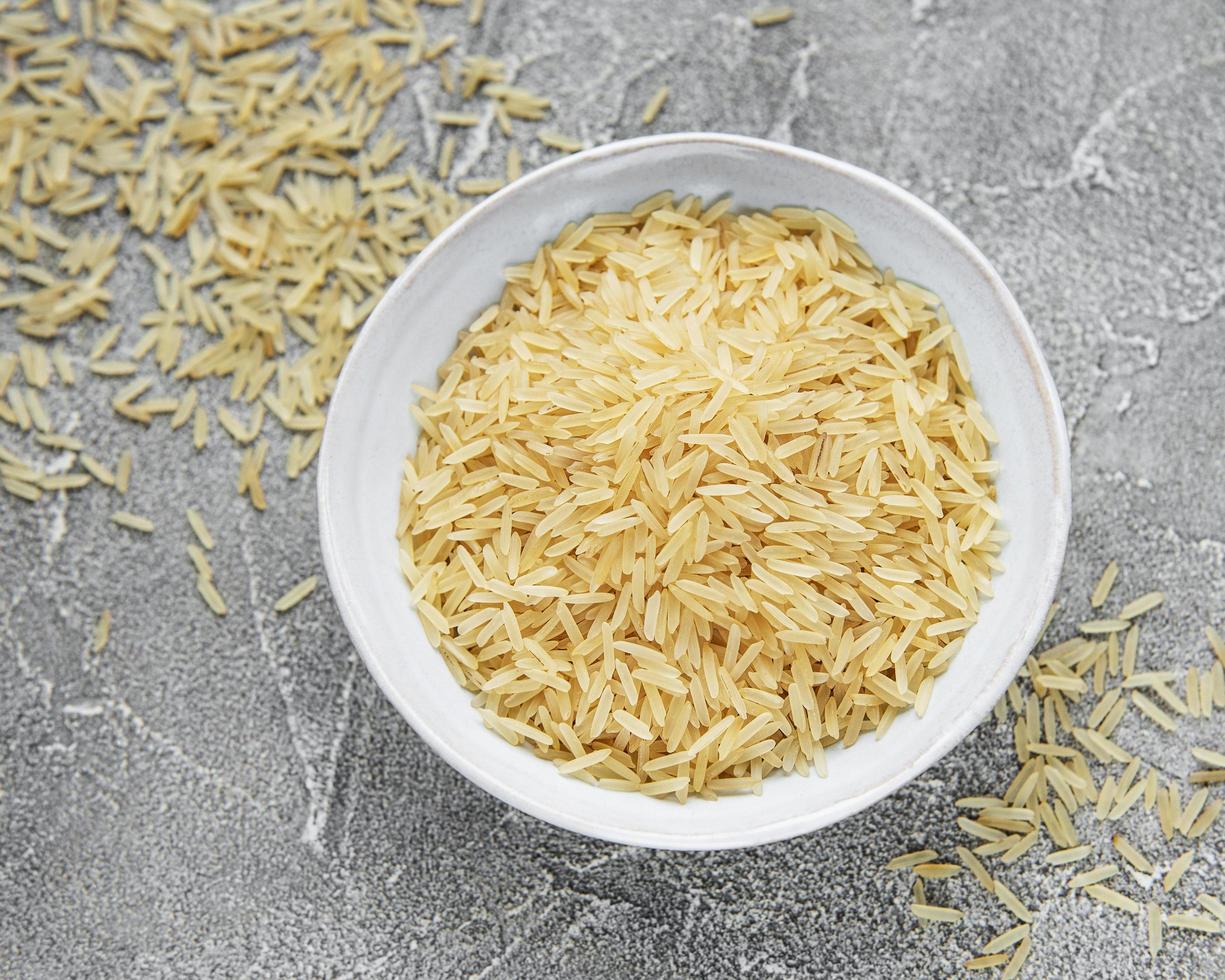
All varieties of plain rice are naturally gluten-free. This includes white rice, brown rice, wild rice, basmati rice, and jasmine rice. However, it's important to check flavored or processed rice products, as these may contain gluten additives. Always read labels carefully if you have celiac disease or gluten sensitivity.
LIVE GLUTEN-FREE WITHOUT THE FUSS!
Introducing Tolerase® G, clinically proven to reduce up to 86% of gluten in under 10 minutes. Experience the freedom to eat what you love.
SHOP ANTI-GLUTEN PILLS
150mg pure Tolerase® G · Reduces gluten by 86% · Under 10 minutes

Our Expert

Drs. Ilse van Asperen, Orthomolecular Therapist and Nutritional Coach

Drs. Ilse van Asperen

Orthomolecular Therapist, Nutritional Coach & Professional Editor

Drs. Ilse van Asperen is a medical doctor specialising in orthomolecular therapy and nutritional coaching. With a background in public and clinical health research and management, she focuses on addressing the root causes of health issues through diet, gut health, and stress reduction. As a professional editor for Little Helpers, she reviews all gluten-free content to ensure accuracy, safety, and scientific credibility. Read more on Drs. Ilse van Asperen's own website

Our Sources

The information on this page is based on reputable health and nutrition organisations, ensuring accuracy and reliability for anyone following a gluten-free diet. For further details, see the sources below.
Sources

Similar Articles

Back to blog